
Spring Rain and Paving: Drainage Problems and What to Check

M&C ADVICE & INSPIRATION
Spring Rain and Paving: Drainage Problems and What to Check
Plan your outdoor space
with a clearer picture.
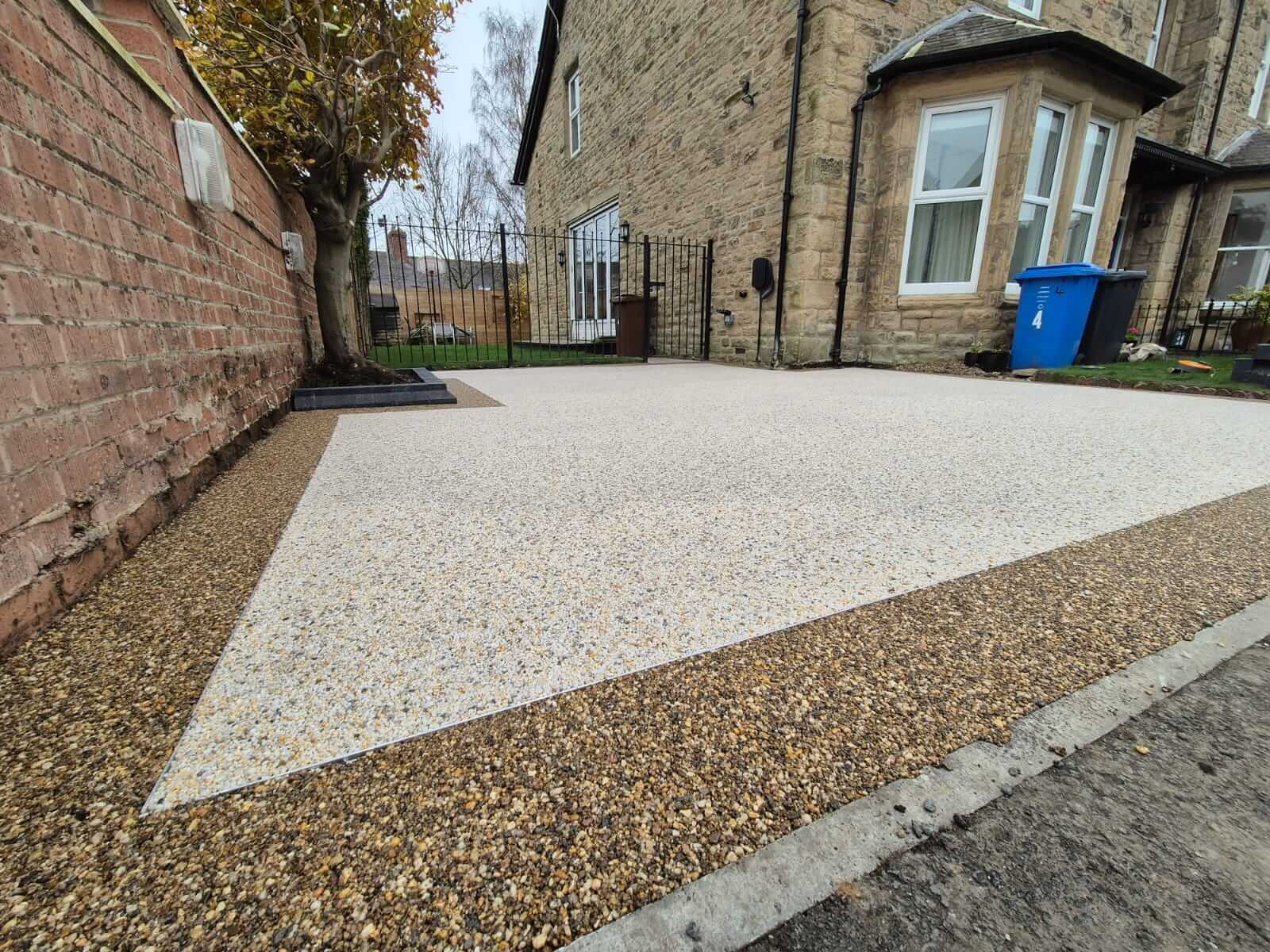
Spring in North East England is a sight to behold – vibrant blooms, chirping birds, and the promise of warmer days. But along with the beauty comes an unwelcome guest: the relentless spring rain. While essential for our gardens, this deluge can wreak havoc on your driveway, patio, or any other paved surface.
Planning work of your own? Explore our paving contractors service, then use this guide to help shape the questions you ask at your site visit.
Why is spring rain particularly damaging to pavements? It’s a combination of factors. The constant moisture weakens the surface, making it more susceptible to cracks and potholes. The freeze-thaw cycles, where water seeps into cracks, freezes, expands, and widens them, exacerbate the problem. And remember the pesky moss and algae that thrive in damp conditions, making your pavement slippery and unsightly.
But before you resign yourself to a crumbling driveway, there’s hope! Understanding how spring rain affects your pavement is the first step towards protecting and maintaining it.
In this post, we’ll explore how spring rain can cause damage and equip you with the knowledge to keep your paved surfaces looking their best even after the wettest spring.
How Spring Rain Damages Your Pavement
Spring rain doesn’t just leave puddles; it can cause significant damage to your pavement in several ways:
Freeze-Thaw Cycles
The North East is known for its fluctuating temperatures, and this is where the real trouble begins. When rainwater seeps into existing cracks and crevices, it can freeze when temperatures drop.
Water expands as it freezes, exerting pressure on the surrounding pavement. The ice thaws and contracts as temperatures rise again, leaving behind a slightly wider crack. This freeze-thaw cycle repeats throughout the winter and spring, gradually widening the cracks until they become major issues.
Erosion
Heavy spring rain can be like a power washer on your pavement. Over time, the force of the water can erode the top layer of tarmac or dislodge the sand between block paving. This leaves the surface exposed and vulnerable to further deterioration.
Pothole Formation
As water seeps beneath the pavement, it can weaken the underlying layers, especially if there are already cracks or gaps. This softening of the base, combined with the weight of vehicles, leads to the formation of potholes – those dreaded craters that can damage your car and create a tripping hazard.
Moss and Algae Growth
Moisture is a welcoming environment for moss and algae. These unwanted guests make your pavement look unsightly and contribute to its deterioration. They can trap moisture, making the surface slippery and increasing the risk of falls. They can also grow into cracks, widening and weakening the pavement.
Signs of Spring Rain Damage
The effects of spring rain on your pavement may not be immediately apparent, but here are some tell-tale signs to watch out for:
- Cracks and Fissures: These are the most common signs of damage. Hairline cracks may seem minor, but they can quickly widen due to freeze-thaw cycles. Larger cracks and fissures can indicate more serious structural damage that requires attention.
- Potholes: These bowl-shaped depressions are not only unsightly but also hazardous. They can damage vehicles, cause cyclists to lose control, and pose a tripping hazard for pedestrians. Potholes tend to worsen rapidly as water continues to erode the surrounding pavement.
- Uneven Surfaces: If your pavement feels bumpy or uneven, it could be due to soil erosion or shifting beneath the surface caused by heavy rain. These uneven areas can create tripping hazards and make walking or driving uncomfortable.
- Discolouration and Stains: Moisture can cause certain types of paving, such as natural stone or concrete, to change colour or develop stains. This can make your pavement look worn and unkempt, affecting the overall appearance of your property.
If you notice any of these signs, it’s crucial to address them promptly to prevent further damage and ensure the safety and longevity of your pavement.
Good Read: Drainage Done Right: Preventing Summer Flooding in Your Northumberland Garden
Preventing and Repairing Spring Rain Damage
While the effects of spring rain can be detrimental, you can take steps to prevent and repair the damage.
Regular Cleaning
The simplest way to protect your pavement is to keep it clean. Regularly sweep away leaves, dirt, and other debris that can trap moisture. If moss or algae start to grow, remove them promptly with a stiff brush or specialised cleaning solution. This improves the appearance of your pavement and prevents these organisms from further damaging the surface.
Sealcoating
Applying a sealant to your tarmac or block paving creates a protective barrier against water penetration. Sealcoating fills in small cracks and pores, preventing water from seeping in and causing damage. It also helps to prevent staining and fading, keeping your pavement looking its best.
Crack Filling
Have cracks assessed where they are changing, widespread or associated with movement or drainage problems. A repair must suit the material and cause. Generic filler is not a reliable answer for every paving defect.
Pothole Repair
Pothole repair can vary in complexity depending on the size and depth of the hole. Small potholes can often be repaired with a cold-lay tarmac patch, while larger ones may require hot tarmac or more extensive repairs. If you need help tackling a pothole, it’s best to consult a professional.
Professional Inspection
It’s always a good idea to inspect your pavement professionally at least once a year, especially after winter and spring. A professional can identify potential issues early on and recommend the most appropriate repair solutions, saving you time, money, and hassle in the long run.
Following these preventative and repair measures, you can safeguard your pavement from the harsh effects of spring rain and ensure it remains safe, functional, and visually appealing for years.
Good Read: More Than Just Looks: The Importance of Drainage and Drop Kerbs in Landscaping
Don’t Let Spring Showers Ruin Your Pavement
Spring rain can damage pavement, leading to unsightly cracks, hazardous potholes, and uneven surfaces. However, with some knowledge and proactive measures, you can safeguard your investment and keep your paved areas looking their best.
By understanding the common signs of spring rain damage and implementing preventative measures like regular cleaning and seal coating, you can significantly reduce the risk of costly repairs down the road. And if damage has already occurred, don’t despair – timely repairs can restore your pavement to its former glory.
If you’re concerned about the effects of spring rain on your driveway, patio, or other paved surfaces, don’t hesitate to contact M&C Paving. Our team can provide a free inspection for expert advice on the best solutions to protect your pavement from further damage.
With our help, your paved areas will remain safe, functional, and beautiful for years. Contact us today for all your paving solutions.
Ready to discuss your own project? Contact M&C Paving Northeast to arrange a free site visit and quote.
See the areas covered by M&C Paving Northeast when planning a local project.
Frequently asked questions
Why do puddles remain on paving after spring rain?
Puddles may reflect surface levels, movement, blocked drainage or saturated ground, and more than one cause can be involved. Note where the water collects and how long it remains after rainfall. Clear accessible debris safely, but arrange assessment where the issue persists.
A coating or surface wash should not be assumed to correct a problem with the underlying construction or drainage design.
Does rain automatically damage a well-laid driveway?
Outdoor paving is intended to face weather, so ordinary rain is not automatically evidence of damage. Problems depend on the material, construction, condition and how water is managed. Persistent saturation or existing defects may deserve investigation.
Assess changes such as moving units, widening cracks or recurring ponding rather than assuming every wet period requires a new surface or preventive sealing.
Can I fill any paving crack myself?
A repair should suit the material and the cause of the crack. Some defects are cosmetic, while others relate to movement, joints or the supporting construction. An unsuitable filler can make later repair harder without resolving the problem.
Record changes and seek advice for spreading cracks, movement or water-related defects before treating a generic filling product as a complete solution.
How can I tell whether drainage needs attention?
Watch for recurring puddles, overflow at accessible grilles, water approaching thresholds or a noticeable change after earlier repairs. Photographs during rainfall can help show the route water takes. Keep safe and avoid opening components you are not competent to inspect.
An assessment should establish both collection and discharge arrangements, rather than assuming that adding another drain will always solve the problem.
What routine care helps paving cope with wet weather?
Keep leaves and debris from building up, maintain joints as the system requires and follow product-specific cleaning guidance. Check edges and accessible drainage points regularly. Avoid aggressive washing or incompatible coatings that may damage the surface or affect permeability.
Routine care supports performance, but repeated movement or ponding needs diagnosis and should not be dismissed as a cleaning issue.
FROM IDEAS TO YOUR OUTDOOR SPACE
Ready to take the next step?
Talk to M&C about the work you have in mind.


