
More Than Just Looks: The Importance of Drainage and Drop Kerbs in Landscaping

M&C ADVICE & INSPIRATION
More Than Just Looks: The Importance of Drainage and Drop Kerbs in Landscaping
Plan your outdoor space
with a clearer picture.
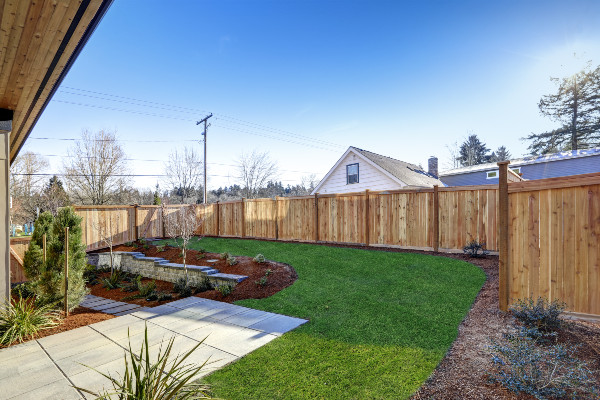
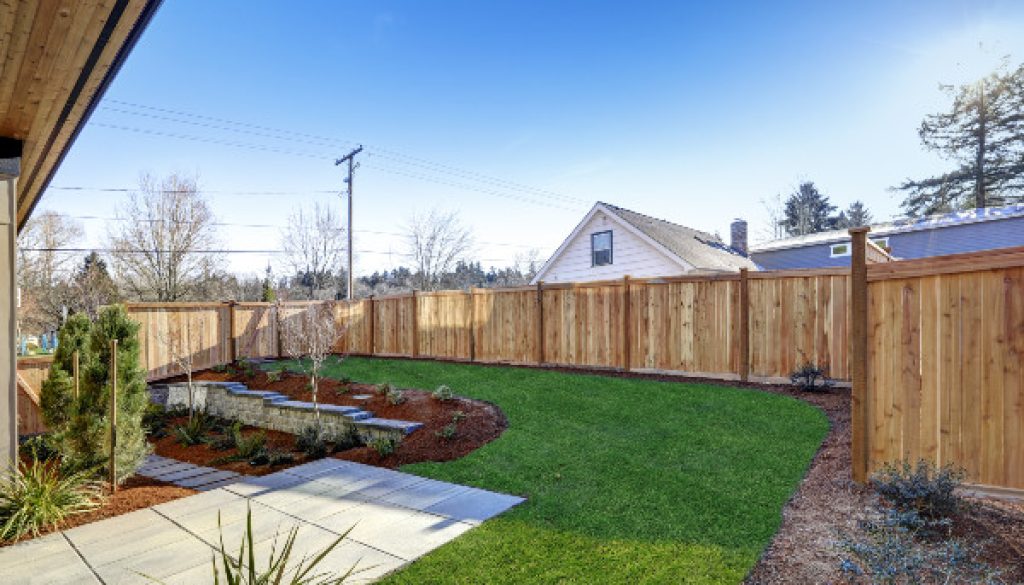
While a beautifully landscaped garden can be a feast for the eyes, its true functionality goes far beyond aesthetics. Many homeowners focus on the visual appeal of their outdoor spaces, overlooking the critical importance of proper drainage and drop kerbs.
Planning work of your own? Explore our dropped kerb contractors service, then use this guide to help shape the questions you ask at your site visit.
These seemingly mundane elements are the unsung heroes of a successful landscape, protecting your investment and ensuring your outdoor space remains usable and enjoyable year-round.
Overlooking drainage and drop kerb installation can lead to many issues, from waterlogged lawns and damaged plants to accessibility problems and even structural damage to your property. That’s why it’s crucial to understand their importance and invest in professional solutions from the outset.
In this article, we’ll explore the significance of proper drainage and drop kerbs in landscaping, shed light on common issues and their solutions, and show you how M&C Paving Northeast can help you create a beautiful, resilient, and functional landscape.
Understanding Drainage in Landscaping
Landscape drainage refers to the systems and techniques to manage water flow in your outdoor space. It involves directing excess water away from your property, preventing it from pooling or causing damage.
Effective drainage is crucial for several reasons:
- Prevents waterlogging and soil erosion: Poor drainage can lead to waterlogged soil, which can suffocate plant roots and cause them to rot. It can also lead to soil erosion, washing away valuable topsoil and nutrients.
- Protects plants and hardscaping from damage: Excess water can damage plants, paving, and other elements. Proper drainage helps keep your landscape healthy and looking its best.
- Maintains the structural integrity of your property: Water pooling around your home’s foundation can lead to cracks, leaks, and even structural damage. Good drainage helps protect your investment.
- Ensures safe and functional outdoor spaces: Soggy lawns and slippery patios are not only unpleasant, but they can also be dangerous. Proper drainage ensures your outdoor areas are safe and enjoyable to use.
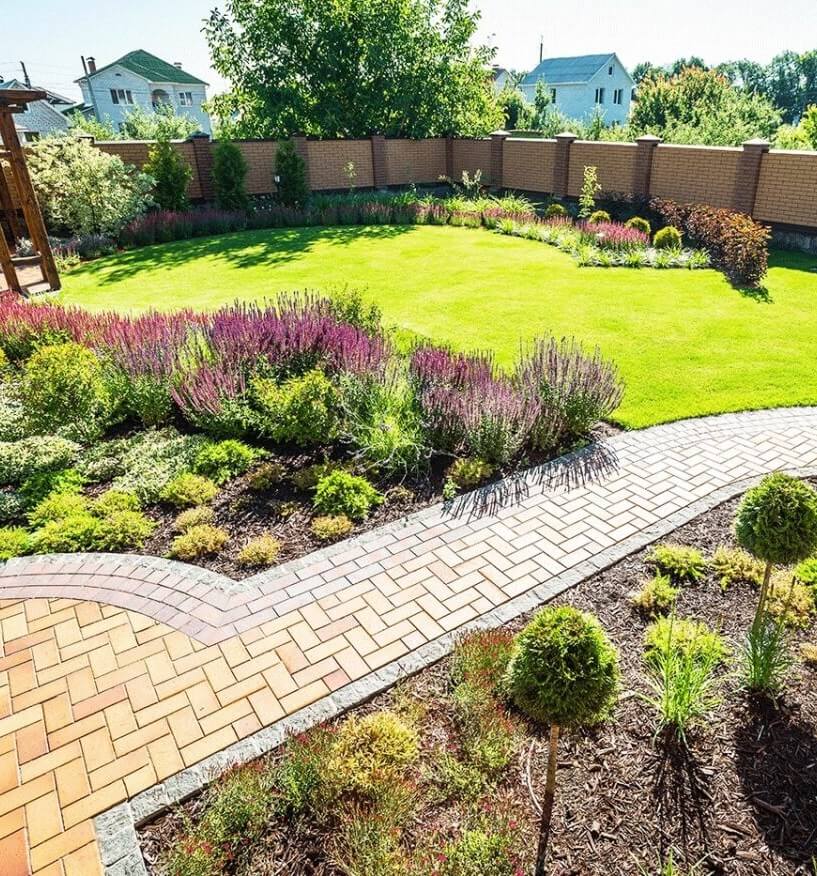
The Role of Drop Kerbs: Your Gateway to the Road
Drop kerbs, also known as vehicle crossovers, are the lowered sections of kerb that create a ramp for vehicles to access your property from the road. While they might seem minor, they play a vital role in the functionality and safety of your driveway.
Here’s why drop kerbs are essential:
- Provide a smooth transition: Drop kerbs create a seamless transition between your driveway and the road, allowing vehicles to enter and exit your property without jarring or causing damage.
- Enable safe vehicle access: Without a drop kerb, driving over a standard kerb can be dangerous and could damage your vehicle’s suspension or tyres.
- Prevent property damage: Improper vehicle access can also damage the kerb itself or the pavement surrounding it, leading to costly repairs.
- Follow local regulations: In many areas, installing a drop kerb requires a permit and adherence to specific guidelines. Failure to comply can cause fines or legal issues.
A properly installed drop kerb enhances your driveway’s functionality and adds a polished look to your property’s entrance.
Common Drainage Issues and Solutions
Even with the best intentions, drainage problems can still arise in your landscape. Here are some common issues and their potential solutions:
- Poorly draining soil: Clay-heavy soils are notorious for their poor drainage. Amending the soil with organic matter or installing a French drain can help improve drainage.
- Sloped terrain: Water naturally flows downhill, which can lead to erosion and pooling in low-lying areas. Grading the land to create a gentle slope or installing retaining walls can help redirect water flow.
- Excess rainfall: Heavy rainfall can overwhelm even well-designed drainage systems. Installing soakaways or rain gardens can help absorb excess water and prevent flooding.
- Clogged gutters and drains: Leaves, debris, and even plant roots can clog gutters and drains, preventing them from functioning properly. Regular maintenance is essential to keep water flowing freely.
Solutions for these issues can vary depending on the specific circumstances, but here are some common approaches:
- Installing French drains or soakaways: French drains are trenches filled with gravel or perforated pipe that collect and redirect water away from problem areas. Soakaways are underground pits filled with rubble that allow water to seep into the surrounding soil gradually.
- Grading the land for proper water flow: Reshaping the land to create a gentle slope can help ensure water flows away from your property and into designated drainage areas.
- Creating swales or dry creek beds: Swales are shallow depressions that can collect and slow down water flow. Dry creek beds are similar but are designed to mimic the appearance of a natural creek bed, adding an aesthetic element to your landscape.
- Regular maintenance of gutters and drains: Keeping your gutters and drains clear of debris is essential for preventing clogs and ensuring proper water flow.
Remember, prevention is always better than cure regarding drainage issues. Proactively addressing potential problems can save time, money, and hassle in the long run.
How M&C Paving Northeast Can Help
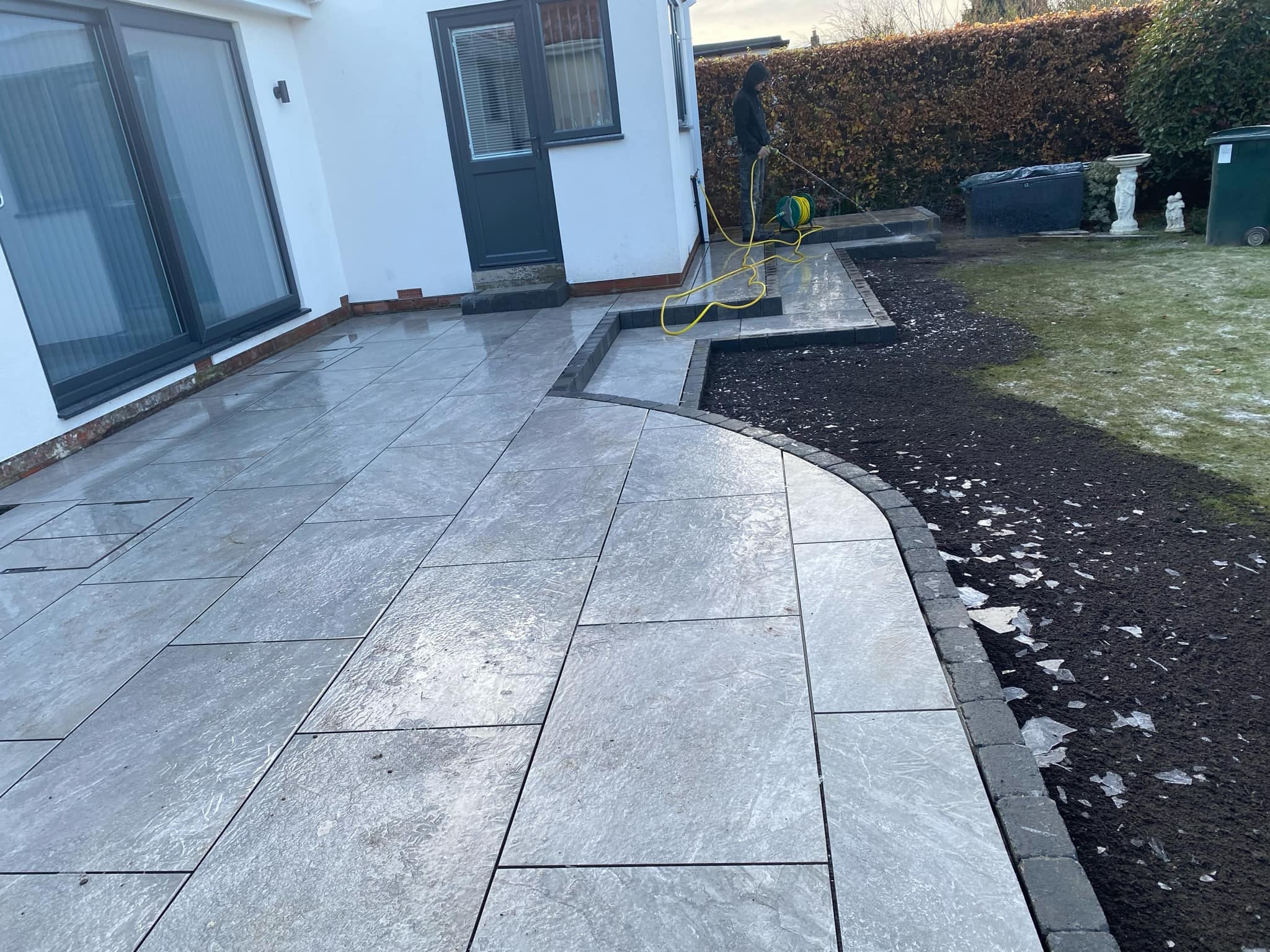
At M&C Paving Northeast, we understand that a successful landscape is more than looks. It’s about creating a functional and durable outdoor space that can be enjoyed for years. We offer comprehensive landscaping solutions, including expert drainage and drop kerb installation.
Here’s how we can help you achieve optimal results:
- Expertise in drainage solutions: Our team of experienced landscapers deeply understands drainage principles and can design and implement effective solutions for any property. Considering soil type, terrain, and rainfall patterns, we’ll assess your needs to create a tailored drainage plan that keeps your landscape healthy and dry.
- Experience in drop kerb installation: We specialise in installing drop kerbs that are both functional and aesthetically pleasing. We handle all the necessary permits and approvals, ensuring your drop kerb meets local regulations and seamlessly integrates with your existing landscape.
- Use of high-quality materials: We believe in using only the best materials to ensure the longevity and performance of your landscape. From permeable paving to durable drainage pipes, we source top-quality products that can withstand the elements and stand the test of time.
- Customer satisfaction: Our priority is your satisfaction. We work closely with you throughout the entire process, from initial consultation to project completion, to ensure your vision is brought to life, and your expectations are exceeded.
Building a Landscape That Lasts
As we’ve explored, proper drainage and drop kerbs are essential to any well-designed landscape. They enhance the visual appeal of your outdoor space, protect your investment, prevent damage, and ensure functionality.
By prioritising these often-overlooked aspects, you can create a beautiful landscape that functions flawlessly, providing years of enjoyment and peace of mind.
If you’re planning a landscaping project or need assistance with drainage or drop kerb installation, don’t hesitate to contact the experts at M&C Paving Northeast. We are dedicated to delivering high-quality solutions that meet your specific needs and exceed your expectations.
Get in touch with us today to learn more about our services and how we can help you create a stunning and sustainable landscape. Your dream outdoor space is just a call away.
For the wider options, see our Driveway Contractors page. The right specification depends on your property and the work agreed at survey.
Ready to discuss your own project? Contact M&C Paving Northeast to arrange a free site visit and quote.
For a property in Newcastle, see our driveways service in Newcastle for local installation information.
Frequently asked questions
Are garden drainage and dropped-kerb approval the same issue?
No, drainage concerns how rainfall moves through and away from the property, while a dropped kerb provides an authorised vehicle crossing over the pavement. A project may need both matters addressed. Agree who is responsible for each assessment and application.
Permission for the crossing does not confirm that the private driveway's drainage or planning arrangements are suitable.
Why does my garden remain wet after the paving dries?
Water can collect because of soil conditions, levels, compacted ground or rainfall arriving from elsewhere. The paved area and planted ground may behave differently. Observe where water gathers and how long it remains after rain, then discuss those observations during assessment.
A new surface or drain should follow that diagnosis rather than being selected as an assumed universal remedy.
Can a channel drain solve every driveway drainage problem?
A channel collects water at a particular position, but it also needs suitable capacity and an appropriate destination for that water. It will not necessarily correct poor levels or saturated ground elsewhere.
Ask the installer to describe the complete route from collection to discharge. Include access for cleaning and confirm any consent needed before connecting to an existing drainage system.
Does permeable paving remove the need for drainage design?
No, permeability is a property of a correctly specified construction, rather than a substitute for site assessment. The surface, joints and underlying layers must work together, and ground conditions affect the wider arrangement.
Ask how the system will accommodate rainfall and what maintenance it needs. A product described as permeable does not guarantee that every completed installation will manage water appropriately.
What information should I gather before a drainage assessment?
Take photographs during and after rain, noting where water first appears and where it moves. Identify thresholds, existing drains, inspection covers and any recent changes to levels or surfacing. Share known information about services and previous repairs.
These observations help frame the assessment, but excavation or testing may still be needed before a suitable drainage proposal can be agreed.
FROM IDEAS TO YOUR OUTDOOR SPACE
Ready to take the next step?
Talk to M&C about the work you have in mind.


