Porcelain Patio Paving: Advantages, Drawbacks and What to Check

M&C ADVICE & INSPIRATION
Porcelain Patio Paving: Advantages, Drawbacks and What to Check
Plan your outdoor space
with a clearer picture.
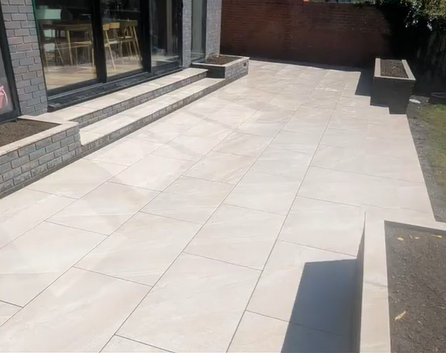
Porcelain is a popular patio finish because it combines a consistent appearance with a surface that is usually straightforward to clean. However, an indoor porcelain floor tile is not automatically suitable for an exposed garden. Choose paving specified for outdoor use and consider the complete installation.
Comparing materials for a new seating area? Our patio installation service can help you assess the garden and discuss suitable outdoor finishes.
Advantages of outdoor porcelain paving

A wide choice of finishes
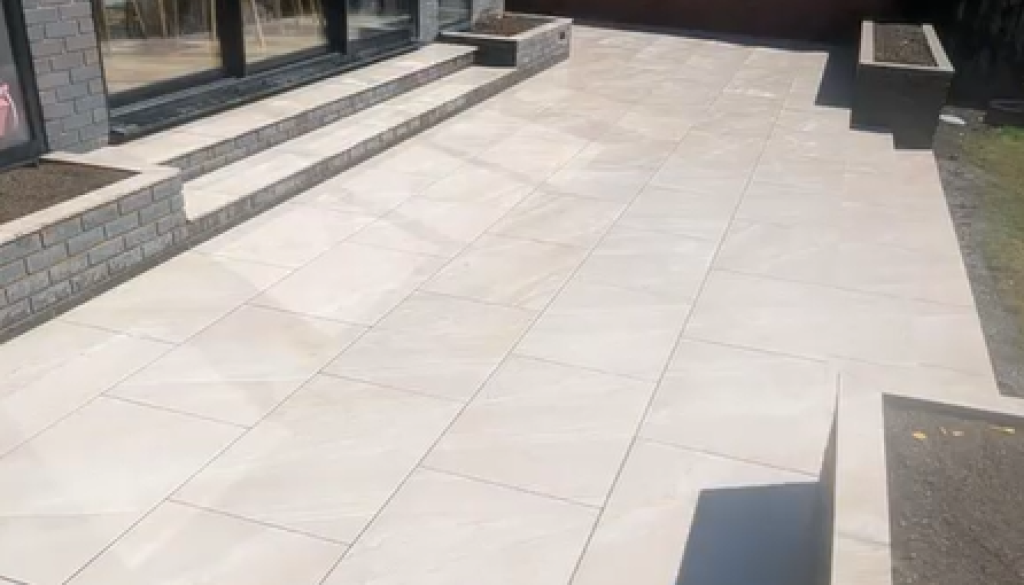
Porcelain paving is available in stone-effect, wood-effect and contemporary finishes. Its consistent sizing can suit clean lines and a more formal layout. Compare samples outdoors, alongside the brickwork, doors and planting they will sit beside.
Low water absorption
Outdoor porcelain products commonly have low water absorption, which can help resist staining. Check the specification of the actual paving you choose rather than assuming every porcelain tile has the same performance.
Manageable routine cleaning
Sweeping and suitable cleaning can keep the surface looking tidy. The joints, surrounding drainage and shaded areas still need attention. Low maintenance does not mean a patio can be left indefinitely without cleaning.
Drawbacks and practical considerations
Installation needs care
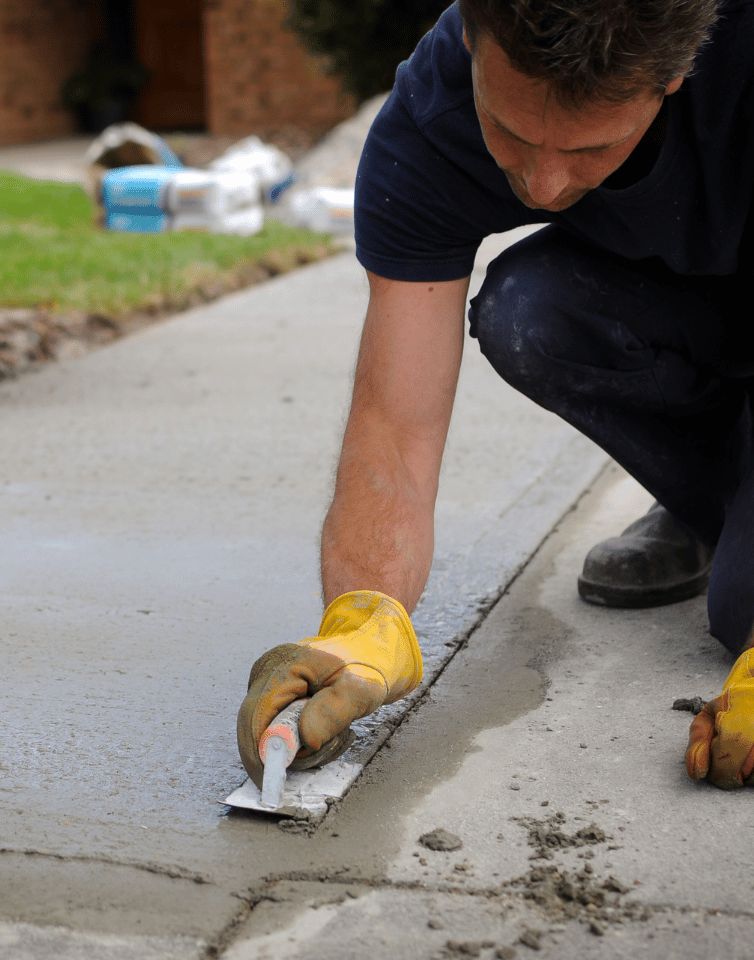
Porcelain is hard to cut and needs suitable tools. The supporting construction, levels, bedding, bonding and jointing must follow the paving manufacturer’s installation guidance. Ask for these details in the quotation, rather than comparing only the price of the slabs.
The total cost is more than the paving
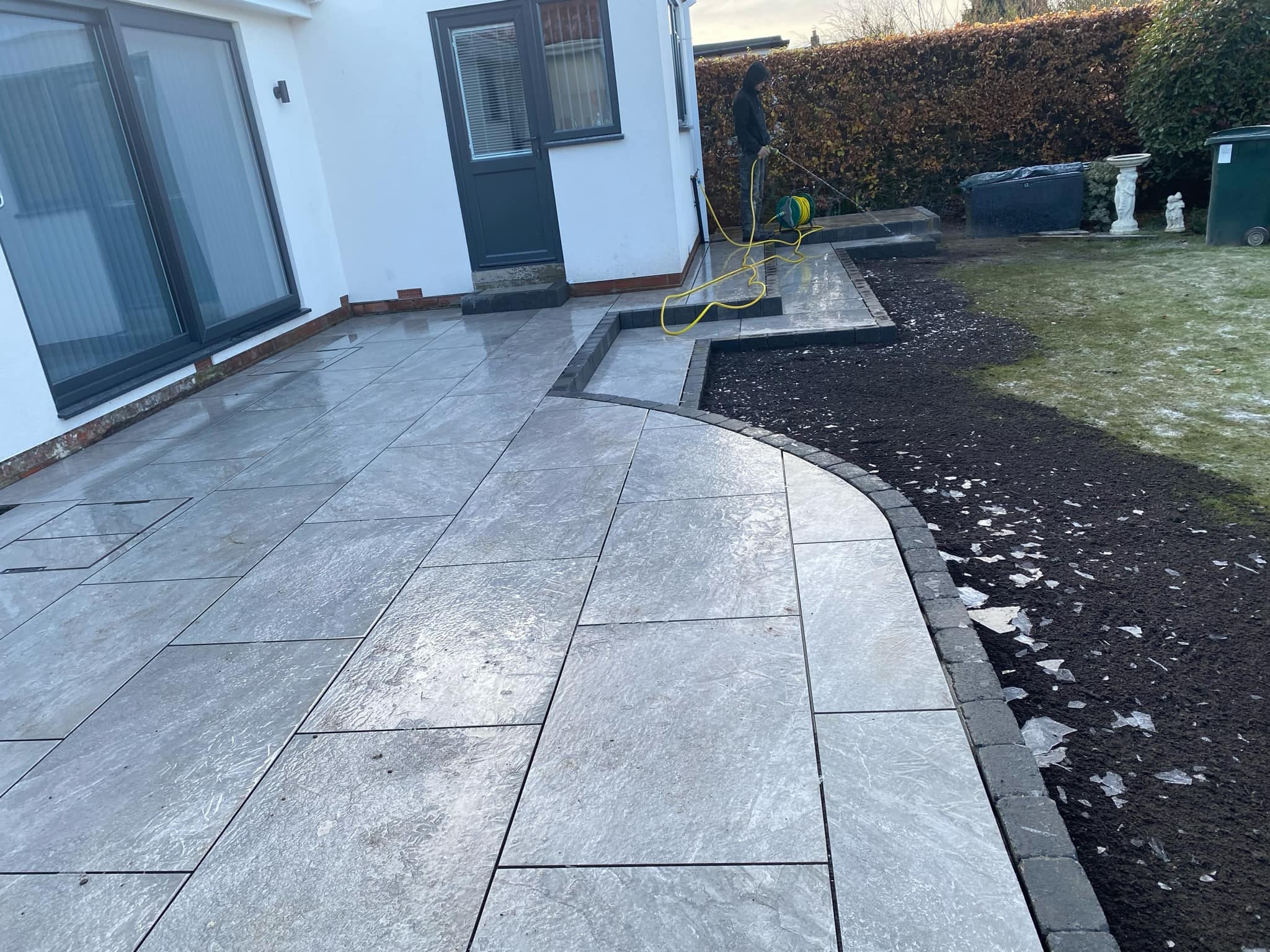
Excavation, access, waste removal, the sub-base, drainage, cutting and finishing all affect the installed price. A complex layout or restricted access can change the cost substantially. Compare quotations for the same scope and specification.
Grip must suit an outdoor setting
Check the product’s stated slip-resistance information and its suitability for the intended location. A polished indoor tile should not be treated as an outdoor patio specification. Dirt, algae, leaves and ice can make surfaces hazardous, so keep the patio clean and consider drainage and lighting alongside the material choice.
Repairs need matching material
A damaged slab may need replacing. Keep the product name and batch details, and consider retaining suitable spare slabs. Replacement can be more involved where a slab is firmly bonded to its bed.
Questions to ask before choosing porcelain
- Is this exact product specified for external paving, including the expected weather exposure?
- What does the manufacturer state about slip resistance, cleaning and any treatment?
- How will the patio meet doors, steps, inspection covers and the rest of the garden?
- What supporting construction, drainage, bedding and jointing are included?
- Can we see samples and compare the installed price with natural stone or other suitable paving?
Check product guidance before installation
Use the chosen supplier’s current technical documents. For an example of the details to look for, see Marshalls’ outdoor porcelain product specification and its porcelain installation guidance. These documents describe those products; they do not establish the specification of every porcelain slab.
Choose for your garden
Porcelain can be a good option where you want a consistent finish and manageable upkeep. The decision should account for the garden’s levels, use, access and budget as well as appearance. Discuss those details at a site visit before settling on a material.
Ready to discuss your own project? Contact M&C Paving Northeast to arrange a free site visit and quote.
Frequently asked questions
Is every porcelain tile suitable for an outdoor patio?
No: porcelain intended for an indoor floor should not automatically be used as outdoor paving. Check the exact product's external-use specification, thickness, slip-resistance information and installation instructions. A stone-effect appearance does not establish whether a tile is suitable for your garden.
Ask the supplier and installer to identify the chosen product in the quotation, including the bedding, bonding and jointing system, so the proposed construction can be checked against its technical guidance.
Does outdoor porcelain paving become slippery when it rains?
Wet-weather grip depends on the particular product, surface contamination and conditions, so no patio should be described as slip-proof. Check the manufacturer's slip-resistance information and suitability for the intended setting. Leaves, algae, dirt and ice can affect an otherwise suitable surface, particularly in shaded corners or beside steps.
Plan drainage and routine cleaning alongside material selection, and assess samples outdoors rather than relying on a showroom display or a general claim about porcelain.
Why can porcelain patio installation cost more than the slabs?
The paving is only one part of an installed porcelain patio price. Excavation, waste removal, access, supporting construction, drainage, bedding, bonding, cutting and jointing can all affect the quotation. Porcelain's cutting and installation requirements also need suitable equipment and a competent installer.
Compare quotations using the same product and written scope, and ask how awkward edges, thresholds and inspection covers will be finished before deciding that one price represents better value.
Can a damaged porcelain patio slab be replaced?
A damaged porcelain slab can sometimes be replaced individually, but removal may be more involved where it is firmly bonded to its bed. Matching the colour, size and batch of the original paving can also be difficult later.
Keep the product details and discuss retaining suitable spare slabs when ordering. Before arranging a repair, ask the installer to assess the surrounding paving and any underlying cause, so a replacement does not simply hide continuing movement or drainage problems.
How should I maintain an outdoor porcelain patio?
Follow the cleaning instructions for the exact paving and jointing products installed. Routine sweeping and suitable washing help remove dirt and organic debris, while shaded areas may need more attention. Avoid assuming that any strong chemical or pressure-washing method is safe for both slabs and joints.
Inspect drainage and joint condition as part of maintenance, and ask the supplier about an unfamiliar stain before applying a treatment that could damage the finish or nearby planting.
FROM IDEAS TO YOUR OUTDOOR SPACE
Ready to take the next step?
Talk to M&C about the work you have in mind.