
Garden Drainage in Northumberland: Understanding and Reducing Flooding Problems

M&C ADVICE & INSPIRATION
Garden Drainage in Northumberland: Understanding and Reducing Flooding Problems
Plan your outdoor space
with a clearer picture.
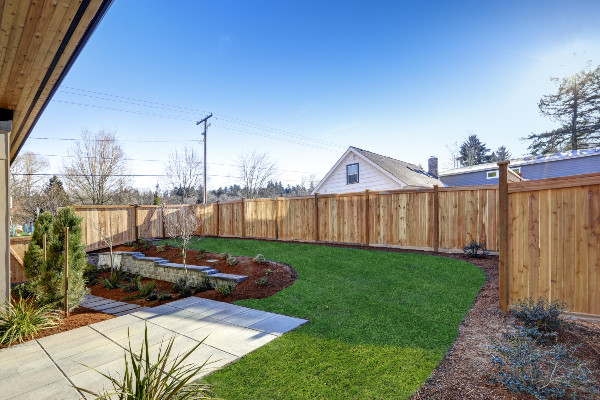
Imagine your carefully tended Northumberland garden, a vibrant oasis of colour and life, suddenly transformed into a swampy mess after a summer downpour. Plants wilting, pathways submerged, and the lingering threat of water damage to your home’s foundation. Summer flooding can quickly turn your garden dreams into a nightmare.
Planning work of your own? Explore our landscaping in Northumberland service, then use this guide to help shape the questions you ask at your site visit.
We understand the frustration and inconvenience that poor drainage can cause. As your local paving and landscaping experts, M&C Paving Northeast specialises in creating effective drainage solutions tailored to Northumberland’s unique climate and soil conditions.
This blog will explore why drainage is so crucial, the common issues Northeast gardens face, and the solutions we offer to ensure your garden thrives, rain or shine.
Why Drainage Matters
Proper drainage is the often-overlooked key to a thriving and enjoyable garden. While we often focus on sunlight, soil quality, and plant selection, drainage is crucial in maintaining a healthy outdoor space. Without it, your garden can quickly become a breeding ground for many problems, from waterlogged plants to structural damage and even pest infestations.
Let’s delve deeper into why drainage is so essential.
Waterlogged Soil: A Recipe for Disaster
Excess water saturates the soil, depriving plant roots of vital oxygen. This leads to stunted growth, weakened plants, and increased susceptibility to fungal diseases and root rot. In severe cases, waterlogged soil can suffocate roots, ultimately killing your precious plants.
A Threat to Your Home’s Foundation
Water gathering beside a building needs assessment of its source, levels and drainage. If there are signs of damp, movement or structural damage, obtain suitable professional advice rather than assuming a garden drainage installation will resolve the building issue.
Standing Water and Garden Use
Standing water can make a garden less comfortable to use and may indicate a drainage problem. Investigate the source and duration of ponding rather than assuming one treatment will resolve every cause.
A Wasted Investment
You’ve invested time, money, and effort into creating a beautiful garden. Don’t let poor drainage undermine your hard work. Proper drainage ensures that your plants thrive, your hardscaping remains intact, and your outdoor space remains a pleasant and inviting sanctuary for years to come.
Related Article: How Landscaping Can Boost Your Northeast Property Value
Common Drainage Issues in Northumberland Gardens
Several factors contribute to drainage problems in Northumberland gardens.
Heavy Clay Soil – Clay soil is notorious for its poor drainage, as it easily compacts and prevents water from percolating.
Sloping Terrain – Gardens on slopes can experience rapid runoff, leading to erosion and flooding in lower areas.
Intense Rainfall – Northumberland’s summer weather can be unpredictable, with sudden downpours overwhelming inadequate drainage systems.
Signs that your garden may be suffering from poor drainage include:
- Puddles of water that linger after rainfall
- Soggy lawn areas
- Yellowing or wilting plants
- Musty smells in damp areas
Effective Drainage Solutions
At M&C Paving Northeast, we offer a range of drainage solutions tailored to address specific issues.
French Drains – A trench filled with gravel and a perforated pipe that collects and redirects excess water.
Soakaways – Infiltration features that require a design appropriate to ground conditions, location and the water being managed. They should not be specified as a generic rubble-filled pit without suitable assessment.
Channel Drains – Surface-level drains that capture and direct water away from vulnerable areas.
Maintenance and Early Warning Signs
Professional drainage solutions are the foundation of a well-draining garden, but ongoing maintenance is crucial to ensuring their effectiveness and preventing future flooding issues. Think of it as a partnership: we provide expertise and installation, and you play a vital role in optimally keeping your drainage system functioning.
Maintenance can help drainage features work as intended, but it cannot guarantee protection from every storm or correct an unsuitable underlying design.
Regular Cleaning
Regularly inspect and clear debris from gutters, downspouts, drains, and channel covers. Leaves, twigs, and other debris can easily accumulate and obstruct water flow, leading to backups and overflows. A quick clean-out every few months can save you a lot of trouble.
Aerate Your Soil
Compacted soil is a common culprit behind poor drainage. Regular aeration, either manually or with a machine, helps to break up compacted soil, allowing water to percolate more easily. This not only improves drainage but also promotes healthier plant growth.
Mindful Planting
When choosing plants for your garden, consider their water needs and tolerance. Opt for species that thrive in moist conditions or create raised beds for those that prefer drier soil. This strategic planting can help prevent waterlogging and ensure all plants flourish.
Early Intervention
Be vigilant about any signs of drainage problems. If you notice puddles forming after rainfall, soggy patches in your lawn, or discoloured plants, address the issue promptly. Early intervention can prevent minor problems from escalating into major headaches.
Regular maintenance helps an appropriately designed system function as intended. It does not guarantee protection from every storm or replace investigation where waterlogging or overflow continues.
Why M&C Paving Northeast?
With years of experience serving Northumberland homeowners, we have in-depth knowledge of local soil conditions and weather patterns. This allows us to design and install drainage solutions tailored to your garden’s needs. We pride ourselves on our professionalism, expertise, and commitment to quality workmanship.
Contact M&C Paving Northeast to discuss the garden and arrange a site visit. Confirm the assessment and any proposed drainage work in the quotation before committing to construction.
For the wider options, see our Landscaping Services page. The right specification depends on your property and the work agreed at survey.
Ready to discuss your own project? Contact M&C Paving Northeast to arrange a free site visit and quote.
Frequently asked questions
Why does my Northumberland garden flood after a heavy shower?
Water can collect when rainfall arrives faster than the ground or existing drainage can accommodate it. Compacted soil, low spots, blocked features and runoff from adjacent surfaces can all contribute, but the cause needs assessing on the actual site.
Note where water first appears, how it moves and how long it remains after rain. Share photographs with the contractor so the discussion starts with the observed problem rather than a drainage product chosen before investigation.
Will adding a soakaway solve every garden drainage problem?
No: a soakaway is only suitable where the ground, available space and other site constraints allow an appropriate design. It should not be selected simply because water collects on a lawn or patio.
The assessment needs to establish the source of the water and whether infiltration is suitable, along with any permissions or discharge requirements. Ask the contractor what checks support the proposed solution and where the water will go when rainfall exceeds its intended capacity.
Can landscaping make drainage worse if the levels change?
Changing levels or adding hard surfaces can alter the way rainfall moves through a garden. Raising one area may redirect water towards a house, boundary or previously dry corner if the whole site is not considered.
Discuss existing thresholds, drainage features and neighbouring levels before construction. Ask for the intended water route to be explained as part of the layout, and avoid treating drainage as a finishing detail to address after the paving is installed.
What should I record before asking someone to investigate garden drainage?
Record the location and extent of ponding, how quickly it develops and how long it lasts after rainfall. Photographs from several rain events can be more useful than a picture of the garden on a dry day.
Identify known drains, recent landscaping changes and any areas receiving runoff from roofs or paving. Do not excavate around unknown services to gather information; provide what you know and ask the contractor which further checks are needed.
How can I maintain drainage features without assuming the garden is flood-proof?
Keep accessible drainage routes clear of leaves and debris and follow the instructions for any installed system. Check for new low spots, blocked channels or changes in how water moves after landscaping or heavy rainfall.
Maintenance can support performance, but it cannot guarantee protection from every storm or fix an unsuitable design. Persistent waterlogging, repeated overflow or water approaching the building should prompt a fresh assessment rather than repeated cosmetic treatment of the affected area.
FROM IDEAS TO YOUR OUTDOOR SPACE
Ready to take the next step?
Talk to M&C about the work you have in mind.


