
Low-Maintenance Landscaping: Tips and Tricks for Busy Homeowners

M&C ADVICE & INSPIRATION
Low-Maintenance Landscaping: Tips and Tricks for Busy Homeowners
Plan your outdoor space
with a clearer picture.
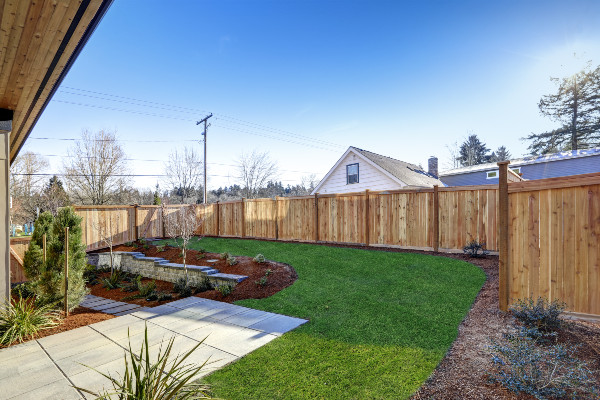
Finding time to relax and enjoy our surroundings in these times can feel like a luxury. Yet, the desire for a beautiful garden remains strong. We yearn for tranquil outdoor spaces where we can unwind and connect with nature, but the demands of modern life often leave little time for extensive gardening chores.
Planning work of your own? Explore our landscaping services service, then use this guide to help shape the questions you ask at your site visit.
Fortunately, there’s a solution: low-maintenance landscaping. This approach to garden design prioritises practicality and efficiency, allowing you to create a stunning outdoor haven without the constant upkeep. Imagine spending less time weeding, watering, and pruning, and more time simply enjoying the beauty of your garden.
Low-maintenance landscaping offers a wealth of benefits for busy homeowners. It reduces your workload, frees up your precious time, and can even help conserve water.
By making thoughtful choices in plant selection, hardscaping, and overall design, you can create a garden that thrives with minimal effort, allowing you to savour the rewards of outdoor living without the burden of constant maintenance.
Low-Maintenance Landscaping Strategies
Creating a low-maintenance landscape involves thoughtful planning and design choices that minimise upkeep while maximizing beauty. Here are some key strategies to consider:
Simplified Layouts
- Embrace Clean Lines: Opt for simple, geometric shapes and defined borders in your garden design. This makes mowing and edging easier and creates a sense of order and spaciousness.
- Minimise Lawn Area: Lawns require regular mowing, watering, and fertilizing. Reduce the size of your lawn by incorporating flower beds, paved areas, or ground covers, minimizing your maintenance workload.
Strategic Plant Selection
- Choose for the Site: Native status alone does not determine care needs. Match planting to soil, exposure, moisture and mature size, and allow establishment care before expecting a lower-maintenance border.
- Drought-Tolerant Delights: Incorporate drought-tolerant plants that can thrive with minimal watering. Succulents, ornamental grasses, and certain shrubs are excellent choices for a water-wise garden.
- Slow and Steady Wins the Race: Choose slow-growing plant varieties to reduce the need for frequent pruning and shaping. This saves you time and effort in the long run.
- Groundcover for Weed Suppression: Utilise ground covers to suppress weed growth and reduce the need for mulch. These low-growing plants create a dense carpet that helps retain soil moisture and adds visual interest.

Hardscaping Elements:
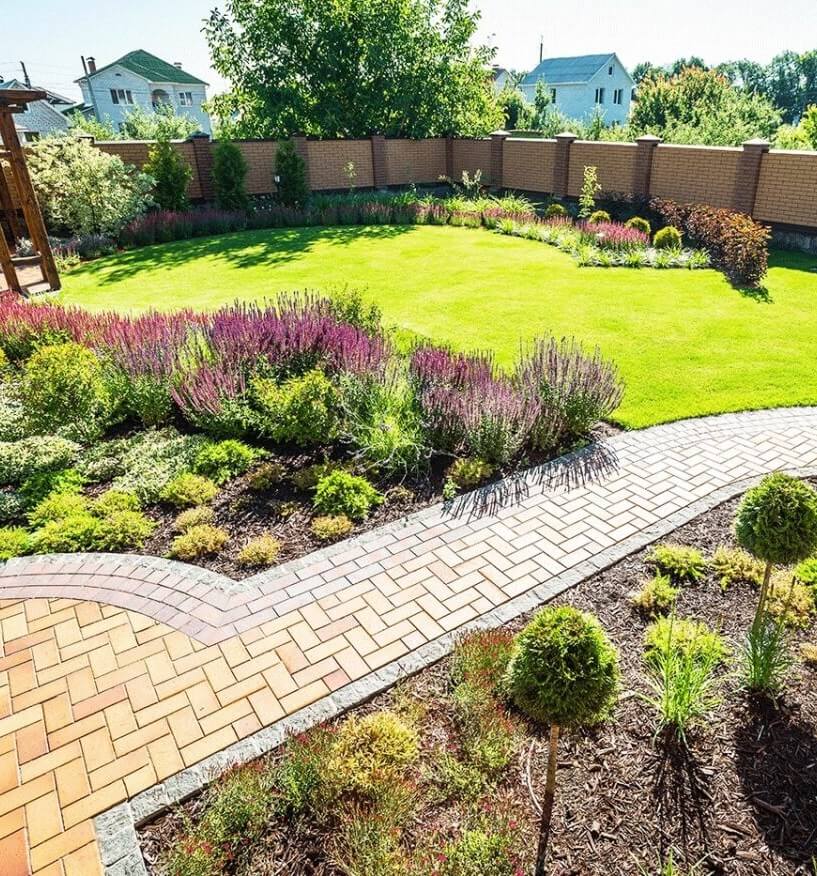
- Define with Hardscaping: Incorporate patios, walkways, and retaining walls to define different areas within your garden and reduce the overall lawn area. This not only adds visual interest but also minimises maintenance.
- Permeable Paving: Opt for permeable paving materials like gravel, permeable pavers, or porous concrete. These allow rainwater to seep through, reducing runoff and aiding in water conservation.
Low-Maintenance Choices for a Stunning Garden
Choosing the right plants is crucial for creating a low-maintenance landscape. By selecting varieties that thrive in your local climate and require minimal care, you can enjoy a beautiful garden without the constant demands of upkeep.
Native Plants
Choose plants for the conditions in your own garden. Native plants can form part of the mix, but moisture needs, eventual size and care requirements vary. Check individual species rather than assuming all native planting needs less attention.
Here are a few examples of native plants that thrive in the Northeast UK with minimal care:
- Wildflowers: Add a touch of natural beauty with wildflowers like red campion (Silene dioica), oxeye daisy (Leucanthemum vulgare), and meadow buttercup (Ranunculus acris).
- Shrubs: Enhance your garden’s structure with native shrubs like hawthorn (Crataegus monogyna), blackthorn (Prunus spinosa), and guelder rose (Viburnum opulus).
- Grasses: Create texture and movement with ornamental grasses like purple moor grass (Molinia caerulea) and tufted hair grass (Deschampsia cespitosa).
Drought-Tolerant Species
Drought-tolerant plants are champions of water conservation. They’ve adapted to survive with minimal watering, making them ideal for busy homeowners and environmentally conscious gardeners.
Consider incorporating these drought-tolerant beauties into your landscape:
- Succulents: These fascinating plants store water in their leaves, stems, or roots, making them incredibly resilient to dry conditions. Sedums, sempervivums (houseleeks), and euphorbias are excellent choices.
- Ornamental Grasses: Many ornamental grasses are drought-tolerant and add a graceful touch to any garden. Festuca glauca (blue fescue) and Stipa tenuissima (Mexican feather grass) are popular options.
- Shrubs: Several shrubs thrive in dry conditions, including lavender, rosemary, and cistus (rock rose).
Low-Maintenance Trees and Shrubs
Trees and shrubs provide structure and year-round interest in the garden. Opt for slow-growing varieties that require less pruning and shaping to minimise maintenance.
Here are a few low-maintenance trees and shrubs that thrive in the Northeast UK:
- Trees: Consider small trees like Amelanchier lamarckii (Juneberry) or Acer campestre (field maple) for their manageable size and attractive foliage.
- Shrubs: Choose shrubs like Cotoneaster horizontalis (wall cotoneaster) or Potentilla fruticosa (shrubby cinquefoil) for their hardiness and minimal pruning needs.
Maintenance Tips for a Low-Effort Garden
Even the most low-maintenance garden requires some level of care. However, by adopting efficient practices, you can significantly reduce your workload and maximise your enjoyment of your outdoor space.
Efficient Watering
- Targeted Delivery: Instead of relying on sprinklers that lose water to evaporation, use soaker hoses or drip irrigation systems to deliver water directly to the plant roots. This minimises waste and ensures your plants receive the hydration they need.
- Mulch It Over: Apply a layer of organic mulch, such as bark chips or shredded leaves, around your plants. Mulch acts as a protective blanket, retaining soil moisture, suppressing weed growth, and regulating soil temperature.
Weed Control Strategies
- Mulch to the Rescue (Again!): A thick layer of mulch prevents weed seeds from germinating and helps smother existing weeds.
- Groundcover Power: Plant ground covers to create a dense mat that blocks sunlight and prevents weeds from taking hold.
- Plan Plant Spacing: Allow for mature spread while considering how planting will cover the soil. Excessive bare ground can still allow weeds to establish, so include suitable mulch and ongoing care.
- Weed Control: Hand-weeding and suitable hoeing can help manage weeds. If a treatment is considered, use only a product suitable for the location and follow its instructions; natural does not automatically mean harmless.
Smart Lawn Care
- Grasscycling: Leave grass clippings on the lawn after mowing. They act as a natural fertiliser, returning valuable nutrients to the soil and reducing the need for chemical fertilisers.
- Mulching Mowers: Use a mulching mower to finely chop grass clippings and return them to the lawn as fertiliser. This eliminates the need for raking and bagging.
Enjoy more time relaxing in your outdoor haven and less time on tedious chores.
Embrace the Beauty of Effortless Living with M&C Paving Northeast
In today’s busy world, a low-maintenance garden is more than just a luxury—it’s a necessity. By embracing thoughtful design and strategic plant choices, you can create an outdoor sanctuary that requires minimal upkeep while maximising your enjoyment. Imagine spending less time on chores and more time relaxing in a beautiful, thriving garden.
Low-maintenance landscaping offers a wealth of benefits for busy homeowners. It frees up your schedule, reduces water consumption, and allows you to truly savour your outdoor space without the constant demands of upkeep. From native plants that thrive in the Northeast climate to efficient watering systems and smart lawn care practices, there are countless ways to achieve a garden that’s both stunning and effortless.
At M&C Paving Northeast, we understand the desire for beauty without the burden. Our expert team can help you design and install a low-maintenance landscape that perfectly suits your lifestyle and preferences. We’ll guide you through the process, from plant selection and hardscaping to efficient irrigation and weed control strategies, ensuring your garden remains a source of joy and relaxation for years to come.
Ready to embrace the beauty of effortless living? Contact M&C Paving Northeast today for a free consultation. Let’s create a garden that not only enhances your home but also enriches your life.
Ready to discuss your own project? Contact M&C Paving Northeast to arrange a free site visit and quote.
See the areas covered by M&C Paving Northeast when planning a local project.
Frequently asked questions
What makes a garden genuinely low maintenance?
A low-maintenance garden matches its layout, planting and surfaces to the time you can realistically spend caring for them. Broad, accessible borders, manageable plant sizes and simple routes can reduce repeated jobs.
Paving still needs cleaning and drainage checks, while planting needs establishment care. List the tasks you want to reduce before deciding which parts of the garden to change.
Are native plants always the easiest option?
Native status alone does not tell you how much care a plant will need in your garden. Soil, exposure, moisture, mature size and available light matter too. A vigorous native shrub can demand more cutting than a suitably chosen smaller plant.
Select plants for the actual position and allow room for their eventual spread rather than relying on a general label.
Will replacing the lawn with paving remove garden maintenance?
Replacing some lawn can reduce mowing, but it exchanges one set of jobs for another. Paving needs sweeping, appropriate cleaning and checks on joints, edges and drainage. Keeping a useful area of planting can also help the garden feel balanced.
Compare the complete upkeep of the proposed layout before covering a larger area than you need.
How can I make borders easier to look after?
Start by removing persistent weeds and choosing plants that suit the soil and available space. Group plants with similar watering needs and leave access for pruning and tidying. An appropriate mulch can help manage moisture and weed growth, but it will need topping up.
Avoid overcrowding borders with small plants that will later compete or obstruct paths.
Can a low-maintenance garden still support wildlife?
Yes, a simpler garden can still include varied planting, seasonal flowers and suitable shelter. Reducing unnecessary hard surfacing leaves more room for these features. Choose manageable plants suited to your conditions and keep access for occasional care.
The aim is a practical balance between household use, planting and upkeep, rather than treating every living feature as a maintenance problem.
FROM IDEAS TO YOUR OUTDOOR SPACE
Ready to take the next step?
Talk to M&C about the work you have in mind.


