

Building a Solid Foundation: Essential Considerations for Garden Structures

M&C ADVICE & INSPIRATION
Building a Solid Foundation: Essential Considerations for Garden Structures
Plan your outdoor space
with a clearer picture.
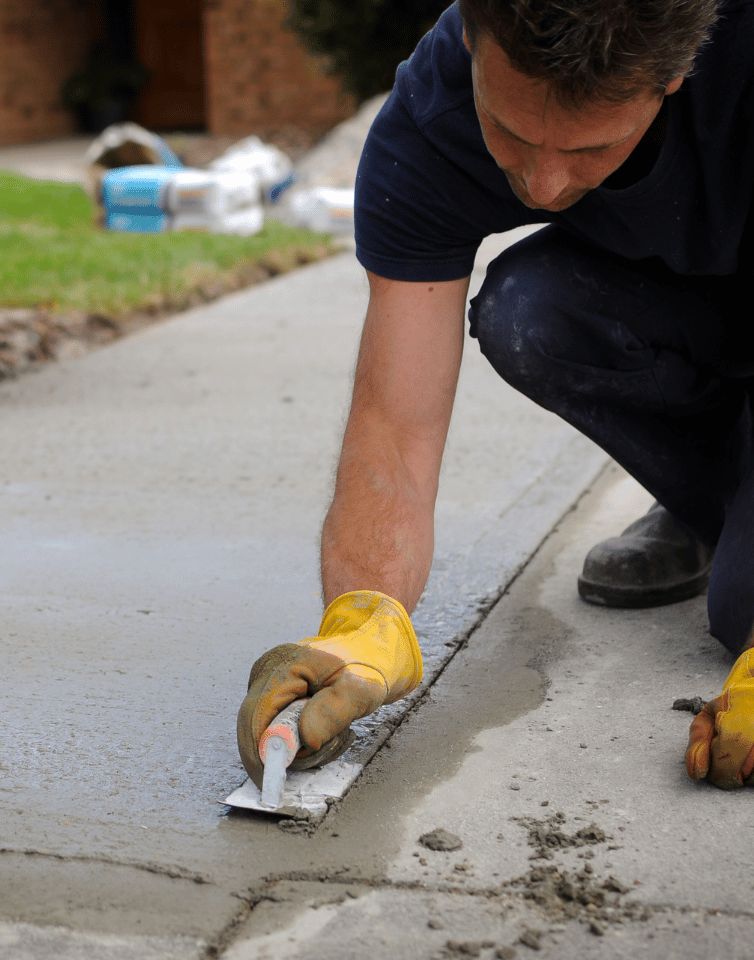
Garden structures are more than just functional additions to outdoor spaces—they play a pivotal role in enhancing the beauty, usability, and overall value of your property. From pergolas and sheds to gazebos and greenhouses, these features can transform a garden into a versatile and inviting environment.
The support beneath a garden building needs to suit the structure and site. Explore our concrete bases and foundations service, then confirm the building manufacturer’s requirements before agreeing the construction.
Proper planning and thoughtful design are essential to achieving a balance between aesthetics and practicality. By carefully considering factors like space, materials, and long-term maintenance, you can ensure your garden structures remain durable and visually appealing for years to come. Investing time and effort into these considerations not only guarantees longevity but also maximises value for money.
Let’s explore the key aspects to keep in mind when building garden structures that stand the test of time.
Assessing Your Garden Space
Before building any garden structure, it’s crucial to evaluate the size, shape, and layout of your outdoor area. A clear understanding of these elements helps you avoid overcrowding or awkward placements whilst making the most of your available space.
Ground Conditions and Accessibility
Check the soil type and ground stability in your garden, as these factors affect the foundation and durability of structures. Uneven terrain may require levelling, whilst softer ground might need reinforcement for heavier installations like sheds or greenhouses. Accessibility is another key consideration—ensure there’s enough room for movement around the structure and that it doesn’t block pathways or sunlight for other features.
Choosing the Right Location
Select a spot that complements the function of the structure. For instance:
- Pergolas or seating areas thrive in places that offer shade or scenic views.
- Greenhouses benefit from locations with ample sunlight and proximity to water sources.
- Storage sheds are best placed near entry points for convenience.
A well-planned layout enhances the usability of your garden whilst maintaining a harmonious look.
Choosing the Right Materials
The choice of materials plays a critical role in the durability, appearance, and maintenance requirements of garden structures. Each material offers unique advantages, so selecting the right one depends on your needs, budget, and the local environment.
Common Materials for Garden Structures
- Wood: A popular choice for its natural look, but it requires regular treatment to resist rot and weathering.
- Metal: Durable and low-maintenance, ideal for modern designs. However, it may need rust protection in damp climates.
- Concrete: Extremely sturdy and perfect for permanent structures like foundations or walls, though it may lack aesthetic flexibility.
- Composite: Combines durability with the appearance of wood, requiring less maintenance and resisting weather damage effectively.
Factors to Consider
- Durability: Ensure the material can withstand daily use and environmental stress.
- Maintenance: Opt for materials that suit your ability to maintain them, balancing longevity with ease of care.
- Aesthetic Appeal: Match the material’s look to your garden’s overall style, whether it’s rustic, modern, or traditional.
Climate Suitability in the North East
The North East’s often wet and windy conditions mean that materials must be resilient to moisture and temperature changes. Treated timber, galvanised metal, or weather-resistant composites are particularly suitable for withstanding these challenges whilst maintaining their integrity over time.
Choosing the right materials ensures your garden structures remain sturdy, attractive, and practical, no matter the weather.
Structural Integrity and Safety
Ensuring the structural integrity of your garden features is vital for their longevity and safety. A well-built garden structure can withstand the elements and provide years of reliable use whilst neglecting this aspect can lead to costly repairs or safety risks.
Sturdy Foundations
Every garden structure needs a strong foundation to maintain stability and prevent shifting or sinking over time. Proper groundwork includes:
- Levelling the area and preparing the soil.
- Using reinforced concrete bases or anchor points for heavier structures like sheds or greenhouses.
- Ensuring adequate drainage to prevent water damage to the foundation.
Essential Safety Features
- Secure Anchoring: Structures like pergolas and gazebos must be firmly anchored to the ground to avoid tipping in strong winds.
- Wind Resistance: Especially important in exposed areas, reinforced frames and materials designed for high winds provide additional safety.
- Structural Load Limits: Ensure the structure can support its intended use, whether that’s heavy roofing materials or hanging plants.
Why Work with Professionals?
Professional landscapers bring expertise in designing and installing garden structures that adhere to safety standards. They ensure:
- Accurate ground preparation for a stable base.
- Proper use of materials and techniques for the local climate.
- Attention to detail that avoids oversights, such as weak joints or improper alignments.
By investing in professional help, you gain peace of mind knowing your garden structures are built to last and keep your family safe.
Functional and Aesthetic Design
Designing a garden structure involves more than just practical considerations—it’s about creating a harmonious space that enhances your outdoor living experience. Thoughtful design ensures your garden structures are both functional and visually appealing.
Balancing Practical Needs with Aesthetics
- Storage or Seating: Structures like sheds should be sized to meet your storage needs without overpowering the garden, while pergolas or benches should enhance comfort and usability.
- Customisation: Choose colours, finishes, and designs that align with your personal style and the overall garden theme.
Integrating with Existing Features
- Blending with Nature: Use climbing plants or natural materials to soften structures and make them feel like a part of the landscape.
- Matching Hardscaping: Coordinate materials and styles with patios, pathways, or fencing to create a cohesive look.
- Lighting Enhancements: Add lighting elements for increased usability in the evening and to highlight the structure’s design.
Adding Value to Your Property
A well-designed garden structure isn’t just about aesthetics—it increases the functionality of your outdoor space, making your home more attractive to potential buyers. From bespoke pergolas to multi-functional sheds, a stylish and practical design offers both personal and financial rewards.
Transitioning from design, let’s look at the importance of planning for maintenance to ensure these features remain an asset for years to come.
Planning for Future Maintenance
Proper maintenance is key to preserving the longevity and appearance of your garden structures. Regular upkeep prevents wear and tear, ensuring your investment continues to enhance your garden for years.
Regular Upkeep
- Cleaning: Periodically remove dirt, moss, and debris to prevent damage, particularly for wood and metal structures.
- Weatherproofing: Apply treatments like sealants, stains, or paints to protect against moisture, UV rays, and pests.
- Inspections: Check for signs of rot, rust, or instability and address issues promptly to avoid costly repairs.
Maintenance Tips by Material
- Wood: Use preservative treatments annually and repair cracks or splits early.
- Metal: Apply rust-resistant coatings and inspect joints for signs of corrosion.
- Concrete: Clear away moss and weeds to prevent cracks from forming.
- Composite: Minimal maintenance required; occasional cleaning with soap and water suffices.
Low-maintenance solutions with Professional Guidance
Professionals can recommend materials and designs that align with your maintenance preferences. For example:
- Composite materials for durability and ease of care.
- Designs that incorporate weather-resistant features like raised foundations or protective coatings.
- Expert installation to ensure structures are built to last, minimising future repair needs.
With a focus on maintenance, your garden structures can remain functional and visually appealing, preserving their value over time.
Build Your Perfect Garden with Confidence
Planning and building garden structures requires careful consideration of your space, materials, and design, along with a focus on durability and maintenance. By addressing these essential factors, you can create outdoor features that are both functional and beautiful, enhancing the value of your property.
At M&C Paving Northeast, we specialise in crafting durable, high-quality garden structures tailored to your needs. Whether you’re looking for expert advice, professional installation, or a complete garden transformation, our team is here to help. Visit our website or contact us today to bring your vision to life with trusted expertise in the North East.
For the wider options, see our Landscaping Services page. The right specification depends on your property and the work agreed at survey.
Ready to discuss your own project? Contact M&C Paving Northeast to arrange a free site visit and quote.
Frequently asked questions
How do I decide what foundation a garden structure needs?
The foundation should follow the structure's requirements and the site's ground conditions, loads and drainage. A shed, workshop, garden room and greenhouse should not automatically share one standard base detail. Start with the supplier's current specification and discuss any uncertainties with a competent contractor or designer.
Ask who is responsible for confirming the final dimensions, construction and tolerances, so the base is designed around the intended structure rather than a generic depth chosen before assessment.
Can a garden building be placed on an existing patio?
Only if the existing patio and underlying construction are suitable for the building and its intended use. A surface that comfortably supports garden furniture does not prove that it can support a permanent structure.
Levels, loading, drainage and the supplier's installation requirements all need checking. Ask for an assessment before ordering the building, and make sure the responsibility for confirming base suitability is explicit rather than assuming the building supplier and paving contractor have each checked it.
What measurements should be confirmed before pouring a concrete base?
Confirm the manufacturer's required footprint, orientation, finished level and any tolerances before concrete work is agreed. Include door positions, access around the structure and any drainage or service arrangements that must be coordinated.
The base detail may differ from the building's advertised external dimensions. Obtain the current drawings from the supplier and ensure the contractor is working from the same version, so a completed base does not leave the structure poorly supported or its entrance awkwardly positioned.
Does a garden structure or its base need planning or building-control checks?
It can, depending on the structure, its use, dimensions, position and the property's circumstances. A small-looking building is not automatically exempt, and planning permission and building regulations are separate considerations. Check current government guidance and ask the relevant local authority about the actual proposal before work starts.
Establish whether the supplier is only providing the building or also advising on approvals, because a sales description should not be treated as confirmation of the property's legal position.
Further guidance: GOV.UK: when planning permission is not needed.
When can a garden structure be installed on a new concrete base?
Installation should follow the concrete specification, site conditions and the building supplier's requirements rather than a generic promise that the base is ready once its surface looks dry. Curing and strength development are affected by the mix and weather, and premature loading can cause problems.
Ask the contractor for written aftercare and loading instructions and coordinate those with the delivery date. Keep access and protection arrangements in place until the agreed conditions for installation are met.
FROM IDEAS TO YOUR OUTDOOR SPACE
Ready to take the next step?
Talk to M&C about the work you have in mind.


