
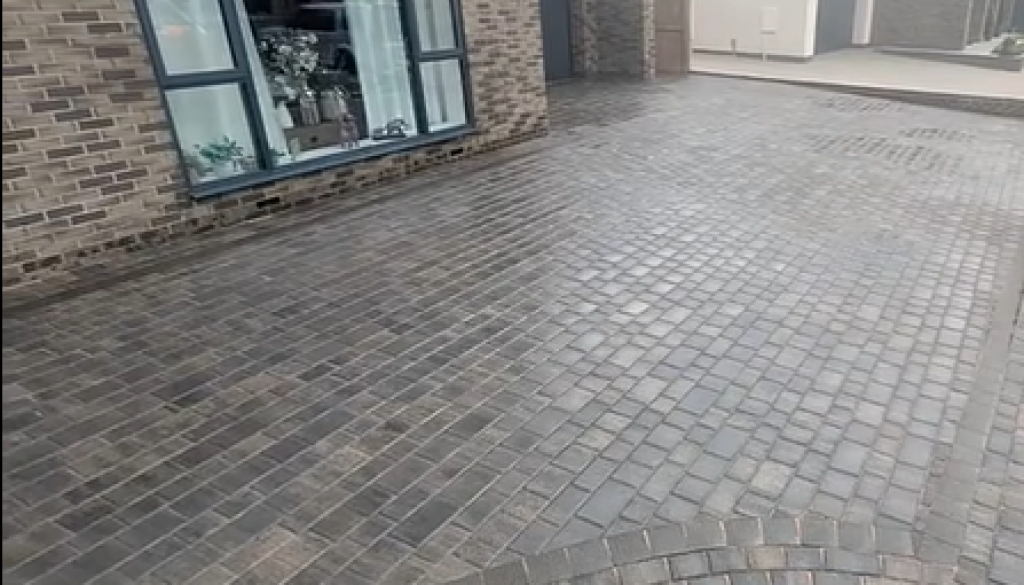
Indian Stone vs Block Paving: Which is Best for Your Property?
M&C ADVICE & INSPIRATION
Indian Stone vs Block Paving: Which is Best for Your Property?
Plan your outdoor space
with a clearer picture.
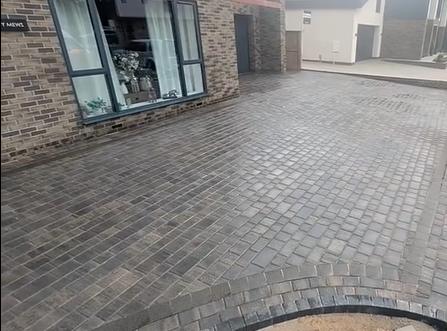
Choosing the right material for your driveway or patio is a crucial decision that impacts not only the functionality of your outdoor space but also its overall aesthetic appeal and long-term value. With various options available, finding the perfect balance between style, durability, and maintenance can feel overwhelming.
Planning work of your own? Explore our paving contractors service, then use this guide to help shape the questions you ask at your site visit.
Two of the most popular choices among homeowners in the North East are Indian stone and block paving. Each offers unique benefits, catering to a variety of design preferences and practical needs. Whether you’re seeking a timeless, natural look or a customisable, cost-effective solution, understanding the key features of these materials is essential.
Indian Stone – Features and Benefits
Aesthetic Appeal
Indian stone is celebrated for its natural beauty and timeless charm. Each slab features unique patterns and colours, ranging from warm earth tones to cool greys, ensuring no two pieces are the same. This organic variation makes Indian stone an excellent choice for homeowners looking to add character to their outdoor space. Its versatility allows it to complement both traditional and contemporary designs, enhancing the visual appeal of any property.
Durability
Indian stone is renowned for its robustness and ability to withstand the test of time. Properly installed and maintained, it can endure heavy foot traffic and vehicular loads without losing its integrity. Additionally, it is resistant to weathering, making it an ideal choice for the North East’s varied climate. Whether facing harsh winters or wet summers, Indian stone remains a reliable and resilient option.
Low Maintenance
Check cleaning and treatment guidance for the exact paving and jointing products. Sealing is not a universal requirement and may change the appearance or performance of a surface. Use only compatible treatments where the supplier recommends them.
Environmental Considerations
Environmental considerations: Compare evidence about sourcing, manufacture, transport, durability, repair and disposal for the particular product. A natural or recycled-material label alone does not establish a lower environmental impact.
This combination of beauty, durability, and sustainability makes Indian stone a popular and practical choice for driveways and patios.

Comparing the Two Materials
Cost
When it comes to pricing, Indian stone is generally more expensive than block paving. Its natural composition and distinctive aesthetic contribute to the higher cost, making it a premium option for those prioritising beauty and longevity. On the other hand, block paving is more affordable and offers a wide range of choices, including premium designs, making it a versatile option for homeowners with varying budgets.
Appearance
Indian stone stands out for its organic, timeless appeal. The natural patterns and textures create a sophisticated look that blends seamlessly with traditional and modern properties alike. In contrast, block paving offers vibrant and uniform finishes, with an extensive selection of colours, shapes, and designs. This versatility allows homeowners to customise their outdoor spaces with creative patterns and contemporary styles.
Installation Time and Complexity
Indian stone requires skilled installation to achieve a flawless result, as the natural irregularities in shape and thickness demand careful handling and precise placement. This can extend the installation process, but the result is a bespoke and high-quality finish. Block paving, in comparison, is quicker to install and requires less specialised expertise. The uniform size and shape of the blocks make the process more straightforward, reducing overall installation time.
Maintenance Requirements
The upkeep of either material depends on the exact paving, jointing and setting. Follow the chosen products’ cleaning and treatment guidance; sealing is not a universal requirement. Ask how repairs and replacement units would be handled for the proposed construction.
By weighing these factors, homeowners can determine which material best suits their needs, whether it’s the enduring beauty of Indian stone or the versatile functionality of block paving.
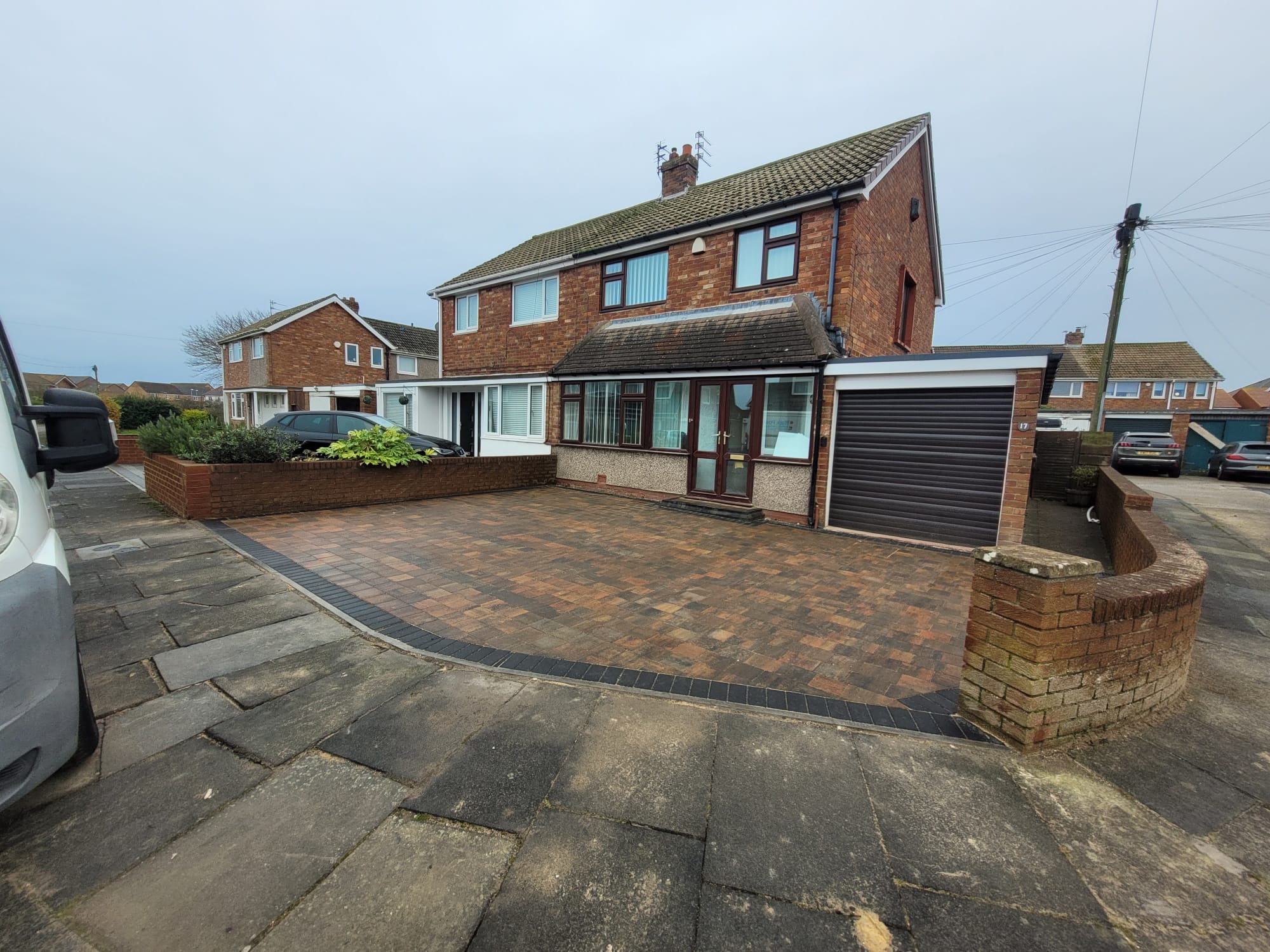
Suitability for the North East Climate
Weather Resistance
The North East’s wet and cold climate poses challenges for outdoor surfaces, but both Indian stone and block paving offer solutions designed to endure these conditions. Indian stone, known for its natural resilience, performs exceptionally well under heavy rain and freezing temperatures. When properly installed, it resists cracking and weathering, making it a durable option for homeowners in the region.
Block paving is equally robust and designed to handle frost and moisture effectively. The material’s interlocking structure provides stability and prevents significant shifting during freeze-thaw cycles. Additionally, block paving’s durability makes it ideal for high-traffic areas, ensuring it stands up to the demands of both residential and commercial properties.
Drainage Considerations
Proper drainage is essential in areas prone to heavy rainfall, and the permeability of paving materials can significantly impact water management. Block paving is often favoured for its ability to integrate permeable systems. Specially designed blocks can allow water to filter through the surface, reducing runoff and helping to prevent localised flooding.
Indian stone, while not inherently permeable, can be installed with gaps or joints that promote drainage. Additionally, careful landscaping and the incorporation of drainage solutions can mitigate water pooling, ensuring effective management of rainwater.
Both materials are well-suited to the North East climate when installed by professionals who understand local weather conditions and drainage requirements. Choosing the right option depends on the specific needs of the property and the homeowner’s preferences for design and functionality.
Making the Right Choice for Your Property
Both Indian stone and block paving offer excellent options for enhancing driveways and patios, each with its unique benefits. Indian stone boasts a timeless, natural elegance with exceptional durability, making it ideal for homeowners seeking a premium, low-maintenance solution. In contrast, block paving provides unparalleled design flexibility and affordability, allowing for vibrant, customisable finishes that are easy to repair and maintain.
The choice ultimately depends on individual priorities. If you value organic beauty and are willing to invest in a long-lasting solution, Indian stone may be the right fit. However, if you prefer cost-effective versatility with quick installation and repair options, block paving could be the better choice.
At M&C Paving Northeast, we specialise in both Indian stone and block paving installations, ensuring high-quality results tailored to your needs. With years of experience serving the North East, our team is dedicated to transforming outdoor spaces with expertise and precision. Contact us today for a free, no-obligation consultation and let us help you create the perfect driveway or patio for your property.
For the wider options, see our Indian Sandstone Installation page. The right specification depends on your property and the work agreed at survey.
Ready to discuss your own project? Contact M&C Paving Northeast to arrange a free site visit and quote.
For a property in Blyth, see our paving service in Blyth for local installation information.
Frequently asked questions
Is Indian stone always more expensive than block paving?
No: installed cost depends on the actual products, area, access, preparation, layout and construction requirements. A premium block system can differ substantially from an entry-level range, just as natural stone products vary.
Ask for quotations against the same intended use and site conditions, including drainage and finishing details. Compare the complete proposal and ongoing maintenance rather than treating the material names alone as a reliable price ranking for every driveway or patio.
How do repair options differ between sandstone slabs and paving blocks?
Both use individual units, but repair practicality depends on the installed bedding or laying system, jointing, condition and availability of matching replacements. A bonded slab may need a different removal approach from a unit in another construction.
Keep product details and discuss spare materials where appropriate. Ask the installer how a damaged area or future service access would be reinstated, so repair expectations reflect the actual specification rather than a general promise that either material is always easy to replace.
Can both materials be used in the same outdoor design?
They can be combined where the products suit their intended use and the junctions are designed properly. Differences in thickness, support, jointing and drainage need consideration before the layout is finalised. View samples together and ask how borders or transitions will be set out and supported.
A mixed-material design should improve the space's use and coherence, rather than adding decorative complexity that leaves awkward levels, unnecessary narrow cuts or difficult maintenance at every connection.
Which option is easier to maintain in a shaded garden?
The answer depends on the exact products, jointing, surrounding conditions and cleaning access rather than the category alone. Shade, leaves, dirt and algae can affect different surfaces, and no outdoor paving should be assumed to stay clean or slip-free without attention.
Obtain the maintenance instructions for each proposal and compare the actual tasks. Include repairs, joints and drainage in that discussion, rather than choosing from an unsupported claim that stone or blocks always require less care.
How do I choose between these materials for vehicle use?
Confirm that the exact product and complete construction are suitable for the expected vehicles, ground and drainage requirements. A patio slab and a driveway paving unit should not be compared as though their intended loads are identical.
Ask the contractor to explain supporting layers, edge details and the proposed water route in each alternative. Compare written specifications and realistic maintenance expectations, then choose the proposal that suits the site rather than deciding from colour, thickness or material name alone.
FROM IDEAS TO YOUR OUTDOOR SPACE
Ready to take the next step?
Talk to M&C about the work you have in mind.


