Why March Is the Best Time to Fix Frost Damage Before It Spreads
March has a habit of exposing problems that winter quietly built.
During colder months, most driveway damage stays hidden. Ice forms beneath the surface, expands, and weakens the structure from below. But it is only when temperatures begin to rise that the real issues start to show.
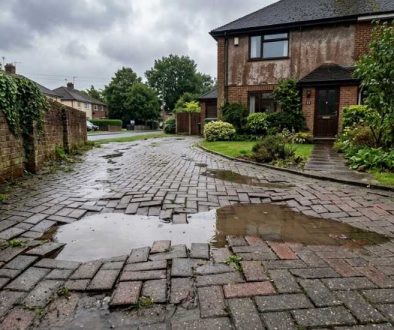
Homeowners often notice small changes first. A crack that wasn’t there before. A section that feels slightly uneven underfoot. Water that sits where it used to run off. None of these look urgent on their own, which is why they are often ignored.
But this stage matters more than it seems.
Frost damage is not a single event. It is a process. Think of it like bending a paperclip back and forth. It doesn’t snap the first time. It weakens gradually, until one day it gives way completely.
By March, your driveway has already been through that cycle several times.
What Actually Happens Beneath the Surface
To understand why early repair matters, it helps to know what is going on underneath.
When water seeps into your driveway, it settles into small gaps in the sub-base. Once temperatures drop, that water freezes and expands. This expansion pushes materials apart, creating pressure where there should be stability.
When it thaws, the water disappears, but the gaps remain.
Now imagine that happening repeatedly over weeks.
The result is a base that is no longer tightly compacted. Instead, it becomes loose, uneven, and unable to properly support the surface above it.
This is why damage often appears suddenly in early spring. The structure has already been weakened. March is simply when it starts to show.
The Early Signs Most Homeowners Miss
Frost damage rarely starts with dramatic cracks or large dips. It begins with details that are easy to overlook.
You might notice:
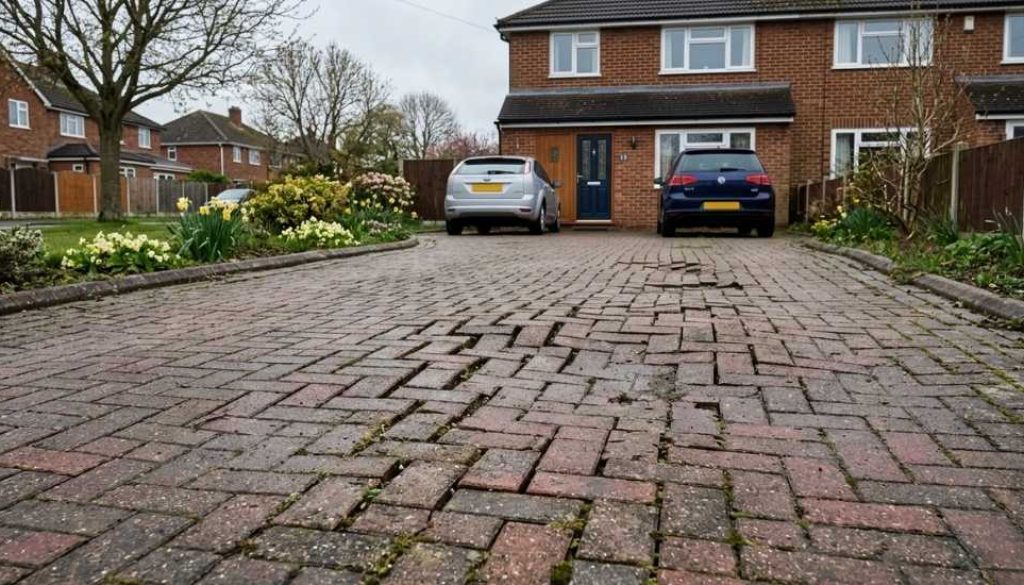
- Slight movement when you step on certain areas
- A faint line running across blocks or concrete
- Edges beginning to separate
- Small puddles forming after light rain
These are not surface-level issues. They are early warnings.
One of the most common mistakes homeowners make is assuming these are cosmetic problems. In reality, they point to movement underneath the surface.
A driveway should feel solid. If it starts to feel “slightly off,” there is usually a reason.
Why Small Problems Escalate Quickly
Once frost damage opens up the structure, it creates a path for more water to enter.
Every rainfall feeds the problem. Water seeps into cracks, reaches the weakened sub-base, and continues to break it down. Over time, the affected area expands.
What starts as a single loose block can spread across an entire section.
It is similar to a loose thread on clothing. Ignore it, and it unravels far more than expected.
By late spring or summer, the repair often becomes larger, more complex, and more expensive than it needed to be.
A Real Scenario Homeowners Often Face
A common situation goes like this.
A homeowner notices a small dip near the front of their driveway in March. It is not causing major issues, so they leave it for now. Over the next few months, vehicles passing over that spot apply repeated pressure.
By June, the dip has deepened. Water begins pooling regularly. The surrounding blocks start shifting.
At that point, a simple repair is no longer enough. The area needs to be lifted, the base rebuilt, and the surface relaid.
The difference between acting in March and waiting until summer is often the difference between a contained repair and a full section replacement.
What Proper Frost Damage Repair Involves
Fixing frost damage properly means addressing the cause, not just the surface.
A quick patch might make things look better for a short time, but it does not solve the underlying issue.
A proper repair typically includes:
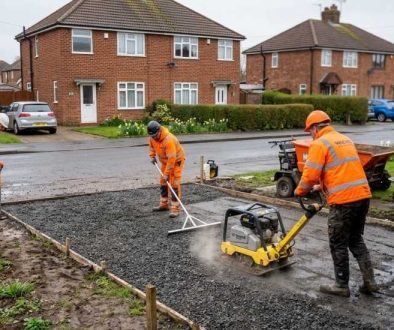
- Lifting the affected area
- Removing compromised sub-base material
- Rebuilding and compacting new layers
- Reinstalling or replacing the surface
This ensures the structure is restored, not just covered up.
At M&C Paving Northeast, this approach is standard practice. The focus is always on long-term performance rather than short-term appearance. It is the difference between a repair that lasts one season and one that holds for years.
Why March Is the Right Time to Act
March offers a narrow but valuable window.
The ground is no longer frozen, which makes it possible to carry out proper groundwork. At the same time, the season has not yet reached peak demand, meaning projects can be scheduled more efficiently.
There is also a practical advantage. Fixing damage early prevents further deterioration during spring rainfall.
Waiting until later often means dealing with a larger problem under tighter timelines.
In simple terms, March gives you control. Later in the year, you are reacting instead.
How to Prevent Frost Damage in the Future
While repairs are sometimes necessary, prevention always starts with how the driveway is built.
A well-constructed driveway is designed to handle water and temperature changes.
That includes:
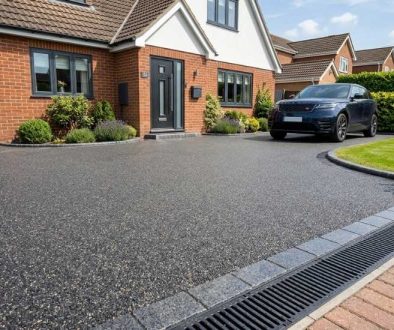
- A properly compacted sub-base
- Adequate depth for load-bearing strength
- Drainage that directs water away effectively
- Quality materials suited to local conditions
Skipping any of these steps increases the risk of frost damage returning.
It is similar to building a house on uneven ground. You might not see the issue immediately, but over time, it becomes unavoidable.
Final Thoughts
Frost damage is not just a seasonal inconvenience. It is a structural issue that develops quietly and spreads steadily.
March is the point where you can still act early, keep repairs manageable, and avoid more extensive work later in the year.
If your driveway looks slightly different after winter, there is usually a reason behind it. Addressing that reason now is what keeps small problems from becoming major ones.
M&C Paving Northeast provides expert driveway repairs built on proper groundwork, not quick fixes. Every repair is approached with long-term durability in mind.
Get your FREE Guide here.
Book your assessment today and make sure your driveway is ready for the months ahead.