
Block, Resin, or Tarmac: Which Driveway Surface Performs Best in UK Heat and Rain?
Choosing the right driveway surface is more than just a question of appearance. In the UK—especially in the North East—weather extremes like sudden downpours and rising summer temperatures place unique demands on outdoor surfaces. Homeowners must consider not only visual appeal but also long-term performance under these climatic conditions. This article compares block paving, resin-bound surfaces, and tarmac to determine which offers the best durability, safety, and value in heat and rain.
Understanding UK Climate Challenges for Driveways
The North East of England experiences a wide range of weather conditions. Summers can bring intense heatwaves, while winters are often marked by frost and rainfall. These fluctuations put considerable stress on driveway materials, making it essential to choose a surface that can handle both temperature extremes and excess moisture.
Driveways that aren’t suited to such variations may crack, shift, or retain water, leading to costly repairs. Therefore, selecting a material that is both weather-resilient and low-maintenance can save homeowners time and money in the long run.
Block Paving: Traditional Appeal with Modern Challenges
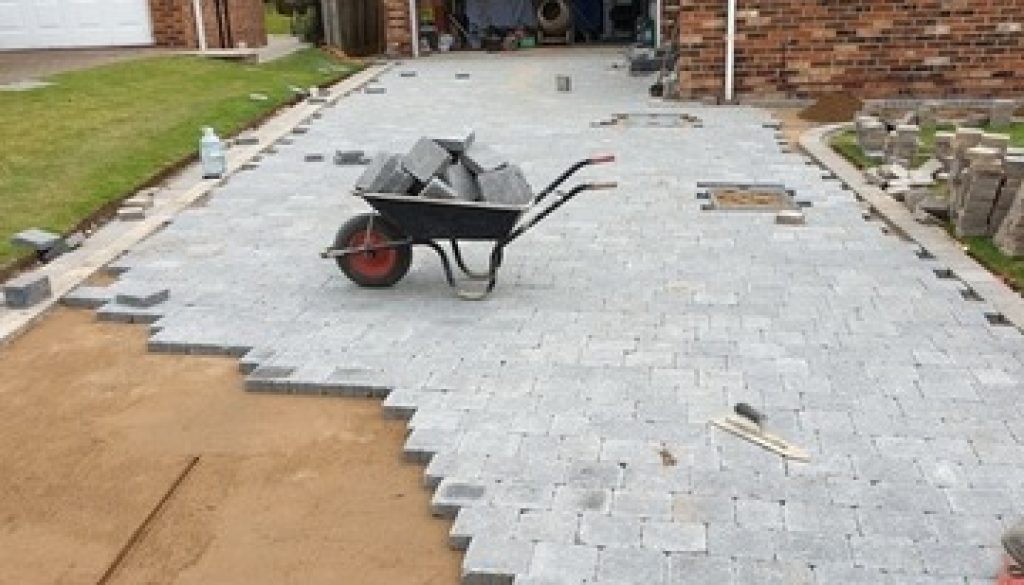
Block paving remains a popular choice for many homes due to its classic look and design flexibility. It involves laying individual bricks or blocks in patterns, offering a customisable aesthetic. However, this style presents challenges when exposed to fluctuating UK weather.
During hot weather, the blocks can expand slightly. This movement, although minor, may lead to instability if the jointing sand between blocks has worn away. Similarly, rain can wash out jointing sand, leading to weed growth and block displacement. Regular maintenance is needed to prevent these issues, including weed control and replenishing the joints with sand.
Block paving also tends to be less permeable unless laid with specialist techniques, which means standing water may become an issue without a proper drainage solution.
Resin Driveways: A Balanced Performer for All Seasons
Resin-bound driveways are gaining recognition for their modern finish and performance benefits. They consist of natural aggregates bound together with resin, forming a smooth, durable surface.
In hot conditions, resin-bound surfaces perform exceptionally well due to their UV-stable properties, which prevent discolouration or softening. The surface remains solid and intact even under prolonged sun exposure, making it ideal for areas prone to summer heat.
When it comes to rain, resin is one of the top performers. Its porous structure allows water to drain directly through, reducing the risk of puddling and surface erosion. This makes it a smart choice for flood-prone areas or homes without elaborate drainage systems. Additionally, the absence of joints eliminates weed growth and minimises maintenance.
Tarmac: Simple and Durable, but Not Without Flaws
Tarmac, or asphalt, is often chosen for its affordability and quick installation. It’s a familiar option across many UK properties, particularly for longer driveways and larger areas.
In hot weather, however, tarmac can soften and become sticky under direct sunlight. This may lead to minor surface deformations, especially if heavy vehicles are parked on it during peak temperatures. Over time, this can affect its lifespan and appearance.
Tarmac sheds water well when laid with the correct gradient. However, it is not permeable, which means it relies heavily on external drainage. Without well-planned water management, pooling and eventual surface degradation may occur.
Comparative Analysis: Durability, Maintenance, and Safety
When assessing which surface performs best, it’s helpful to break down key performance factors:
- Heat Resistance:
- Resin: Excellent (UV-stable, retains shape)
- Block: Moderate (can shift with expansion)
- Tarmac: Poor to moderate (softens in heat)
- Resin: Excellent (UV-stable, retains shape)
- Rain Performance:
- Resin: Excellent (naturally permeable)
- Block: Moderate (variable permeability)
- Tarmac: Moderate (relies on external drainage)
- Resin: Excellent (naturally permeable)
- Maintenance Needs:
- Resin: Low (no joints or weeds)
- Block: High (requires re-sanding, weed control)
- Tarmac: Moderate (needs sealing, occasional crack filling)
- Resin: Low (no joints or weeds)
- Slip Resistance:
- Resin: High (textured surface available)
- Block: High (textured blocks help traction)
- Tarmac: Moderate (may become slippery when worn)
- Resin: High (textured surface available)
- Durability:
- Resin: Long-lasting with minimal repairs
- Block: Durable but maintenance-dependent
- Tarmac: Durable but prone to surface wear
- Resin: Long-lasting with minimal repairs
Whether you live in Blyth or anywhere else along the North East coast, choosing the right driveway material can make a huge difference to long-term performance in heat and heavy rain. If you’re planning driveway installation in Blyth, our team can guide you through the best options for local ground conditions and coastal weather. Learn more on our dedicated Driveway Company Blyth page.
Which Surface Offers the Best Value Over Time?
When considering long-term costs, it’s essential to factor in both initial investment and ongoing maintenance. While block paving is often less expensive upfront, its upkeep can accumulate quickly. Weed removal, joint re-sanding, and potential repairs add to the total expense over time.
Tarmac may also seem cost-effective at the outset but is prone to weather-induced damage. Without regular sealing and crack repair, its lifespan is significantly reduced.
Resin, despite a higher initial cost, offers excellent value. Its low maintenance requirements, durability, and weather resistance make it a cost-effective solution over the driveway’s lifetime. Homeowners benefit from fewer repairs, greater resilience, and long-term aesthetics.
Weather-Proofing Tips for Any Driveway Surface
Regardless of the surface chosen, there are several ways to maximise driveway performance in the UK’s mixed climate:
- Drainage Design: Ensure your driveway is installed with appropriate slopes and water channels.
- Sealing: Apply sealants to tarmac and block paving every few years to improve water resistance and reduce surface wear.
- Routine Inspection: Check for cracks, pooling, or loose materials after extreme weather events.
- Professional Installation: Quality workmanship is vital for withstanding environmental pressures and preventing future issues.
Choosing the Right Driveway for Your Home’s Needs
Ultimately, the choice of driveway material should reflect your household’s needs, usage patterns, and local climate. If you’re concerned about aesthetic appeal and are willing to perform regular maintenance, block paving remains a stylish option. Tarmac offers quick installation and affordability but may require more upkeep in adverse weather.
Resin-bound surfaces offer a balance of function and form, excelling in both heat and rain. Their versatility and resilience make them an increasingly preferred option for homeowners who want a long-lasting solution with minimal hassle.
Build a Weather-Ready Driveway with Expert Help
Choosing the best driveway surface is about understanding the materials and how they interact with the UK’s unpredictable weather. Resin surfaces come out ahead in both hot and rainy conditions, but block and tarmac each offer unique advantages depending on your preferences and property layout.
To ensure your driveway performs reliably all year round, expert installation is key. M&C Paving Northeast brings local knowledge and technical expertise to every project, ensuring your surface is built to handle the region’s toughest weather.
Ready to future-proof your driveway? Contact M&C Paving Northeast for a free consultation and expert advice tailored to your home’s needs.


