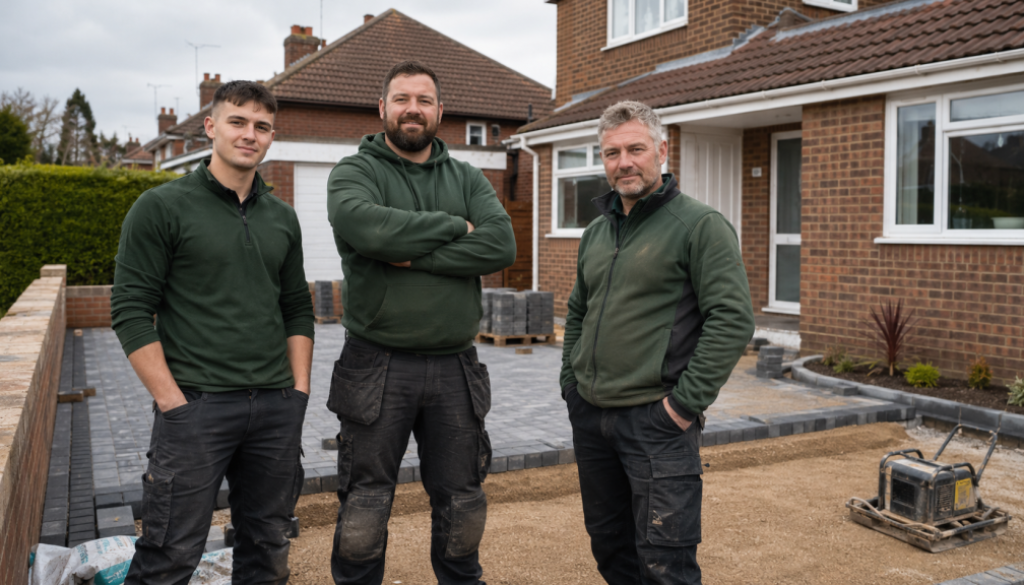
Why June Is the Right Time to Fix a Failing Driveway
A failing driveway rarely collapses in one dramatic moment. It starts with a loose edge, a stubborn puddle, a sunken tyre mark, or weeds pushing through like tiny green warning flags. By June, those signs are easier to see.
For homeowners looking for driveway repairs North East wide, June gives you a useful window. Winter has tested the surface, daylight is longer, and outdoor spaces are back in use. It is a sensible time to repair damage before autumn rain returns.
June Shows the Problems Winter Left Behind
A driveway can look fine from the front gate, then tell a different story underfoot. Winter rain, frost, standing water, and daily vehicle weight all leave clues behind.
By June, those clues become clearer. Cracks widen. Loose blocks rock. Tarmac dips show when the surface dries. Resin can reveal worn patches, and concrete may show flaking hidden by grime.
The base matters most. If the layer underneath has shifted, the top surface can behave like a dinner plate resting on a damp sponge. It may look solid, but pressure keeps finding the weak spot.
Common post-winter signs include:
- Standing water after light rain
- Sinking where cars usually park
- Loose or uneven block paving
- Cracked concrete or worn tarmac
- Weeds growing through joints
- Edges breaking away near lawns or paths
- A driveway that feels rough or unstable under tyres
June gives you a chance to act while the damage is still manageable.
Warmer Weather Helps Work Move Cleanly
Driveway repairs need the right preparation, materials, and timing. June gives contractors better working conditions than the colder, wetter parts of the year.
Many driveway jobs involve excavation, compacted sub-base layers, drainage checks, edging, and installation. Dry spells help teams assess levels, prepare the ground, and keep the site cleaner during the work.
The North East still gets sudden rain, and a good team will plan around the weather instead of forcing poor conditions. Even so, June often gives more workable days than late autumn or winter.
For homeowners, this can mean less mess, clearer access, and faster decisions. It is easier to see where water travels, where cars need room, and where borders should meet the driveway.
Drainage Problems Are Easier to Spot
Poor drainage is one of the biggest reasons driveways fail. A surface can look neat on day one, but if water has nowhere to go, damage starts below the surface.
June is useful because the driveway sees mixed conditions. You may get warm dry days, sharp showers, and heavier downpours. That mix makes it easier to see where water sits, runs, or cuts across the driveway.
Watch what happens after rain. Does water collect near the house? Does it run to a boundary? Does it pool by the pavement edge?
A proper repair checks:
- Surface levels
- Existing drainage channels
- Fall away from the property
- Sub-base condition
- Edge restraints
- Suitable materials for the area
This matters for resin, block paving, tarmac, and concrete driveways. Each surface performs differently, but every driveway needs good water control.
Small Repairs Can Stop Bigger Bills
A loose block or small crack may feel harmless. The problem is what it allows. Water gets below the surface. Frost expands the gap. Tyres press the weakened area down. Before long, one small issue becomes a larger patch of movement.
June gives you time to stop that pattern. A minor repair may involve lifting and relaying blocks, fixing an edge, repairing a tarmac patch, improving drainage, or dealing with weeds before they spread.
There is a point where repair becomes poor value. If the surface has widespread sinking, poor levels, weak edges, and standing water, replacement may be the better long-term choice.
Spend money where it solves the cause, not just where it hides the mark.
June Fits Real Home Routines
Driveway work affects daily life. Cars need moving, bins need access, deliveries still arrive, and families need a safe route to the front door. June can make that easier.
Longer daylight helps with planning. Summer schedules can be adjusted around trips, school runs, and garden work. Homeowners also notice driveway problems more in June because they are outside more often.
A driveway is part of the home’s daily rhythm. When it works well, no one talks about it. When it fails, it becomes the stone in your shoe every morning.
Booking in June also helps you avoid the late-summer rush, when many homeowners want driveways, patios, fencing, and garden work finished before the seasons turn.
The Best Surface Depends On the Problem
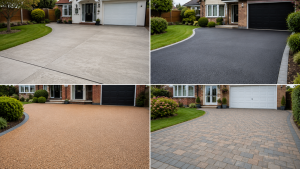
Driveway repairs in the North East need a clear look at the current surface, the base condition, drainage, parking needs, and the style of the property.
Block paving works well when homeowners want pattern, detail, and repair flexibility. Individual blocks can often be lifted, adjusted, or replaced.
Resin-bound driveways give a smooth, modern finish and can help with surface water when installed over the right base. If the current driveway feels dated or patchy, resin can give the front of the home a cleaner feel.
Tarmac suits practical driveways, larger areas, and regular vehicle use. With tidy edging and correct levels, it can look sharp without fuss.
Concrete gives strength and a clean surface for homes that need a hard-wearing option. Imprinted concrete can add pattern while keeping the surface firm and easy to use.
A good driveway contractor should explain the difference clearly. The material is only part of the job. The groundwork, drainage, edging, and finish decide how well the driveway lasts.
Why Local Experience Matters
The North East has a mix of property types, from terraced homes and tight frontages to larger suburban drives and older properties with uneven access. Weather exposure and parking layouts all affect the right repair method.
M&C Paving Northeast works with driveways, patios, artificial grass, fencing, landscaping, dropped kerbs, block paving, resin, tarmac, and concrete. That range matters because a failing driveway often connects with other issues. A broken edge may meet a tired path. Poor drainage may affect the patio. Awkward access may point to a dropped kerb.
Using an in-house team also helps keep standards consistent. Homeowners want to know who is on site, what work is being done, and how the finish is protected.
A proper driveway repair should leave you with:
- Clear levels
- Solid edging
- Better drainage
- A surface suited to daily parking
- A finish that suits the home
- Work backed by clear responsibility
That is the difference between a quick patch and a driveway that earns its keep.
Get Your Driveway Ready Before the Weather Turns Again
June is a good month to stop ignoring the warning signs. Cracks, dips, puddles, weeds, and loose edges rarely fix themselves. They usually spread quietly, until the repair costs more than it needed to.
If your driveway is starting to fail, M&C Paving Northeast can assess the surface, explain the options, and recommend a repair or replacement that fits the property. The right work now can make the front of your home safer, cleaner, and easier to use.
Call M&C Paving Northeast to book a local driveway quote and get the problem sorted while June is still on your side.
FAQs
For all your paving and landscaping services…
Call us today – 0191 743 2048