Planning a New Driveway? What to Sort Out Before Installation Starts
A new driveway can completely change how your home looks and how it functions day to day. It improves access, adds usable space, and often becomes one of the first things people notice about your property.
But the final result is rarely decided on installation day.
Most driveway problems begin much earlier, during the planning stage. Decisions that feel minor at the time often shape how well the driveway performs for years to come. When planning is rushed, the issues usually show up later in the form of poor drainage, awkward layouts, or surfaces that do not hold up under regular use.
March is one of the best times to plan properly. Ground conditions have revealed their weaknesses after winter, and there is still time to prepare before demand increases and installation schedules fill up.
Getting the groundwork right at this stage saves time, cost, and frustration later.
Start With How the Driveway Will Be Used
Before choosing materials or thinking about design, the first step is understanding how the driveway will actually be used.
This is where many homeowners go wrong. It is easy to focus on appearance first, especially when looking at finished examples. But a driveway that looks good and feels awkward quickly becomes frustrating.
Think about daily use in practical terms:
- How many vehicles need to fit comfortably without blocking each other
- Whether there is enough space to turn or if reversing will be required
- How easy it is to enter and exit from the road
- Whether visitors will need additional space to park
A driveway should feel natural to use. You should not have to think about positioning your car every time you park.
For example, a layout that technically fits two vehicles may still feel restrictive if there is no turning space. Over time, this leads to repeated manoeuvring, which places additional pressure on specific areas of the surface.
Planning for real use ensures the driveway works with your routine rather than against it.
Get Drainage Right From the Start
Drainage is one of the most important elements in any driveway, yet it is often treated as a secondary detail.
In reality, poor drainage is one of the leading causes of long-term failure.
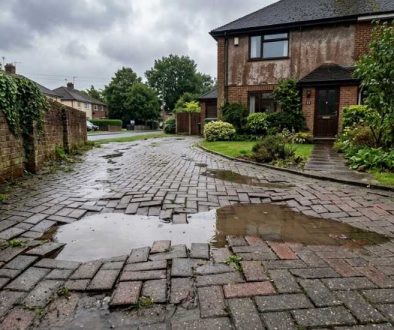
When water is not managed properly, it does not simply disappear. It collects on the surface, seeps into the structure below, or flows towards areas where it should not go.
Over time, this leads to:
- Standing water that affects usability
- Weakened sub-base due to saturation
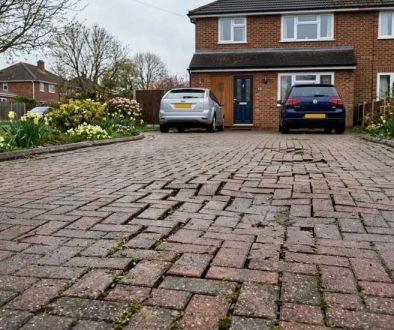
- Increased risk of sinking or movement
- Potential compliance issues with local regulations
Effective drainage is built into the design from the beginning.
This may include:
- Permeable materials that allow water to pass through
- Carefully calculated slopes that guide water away
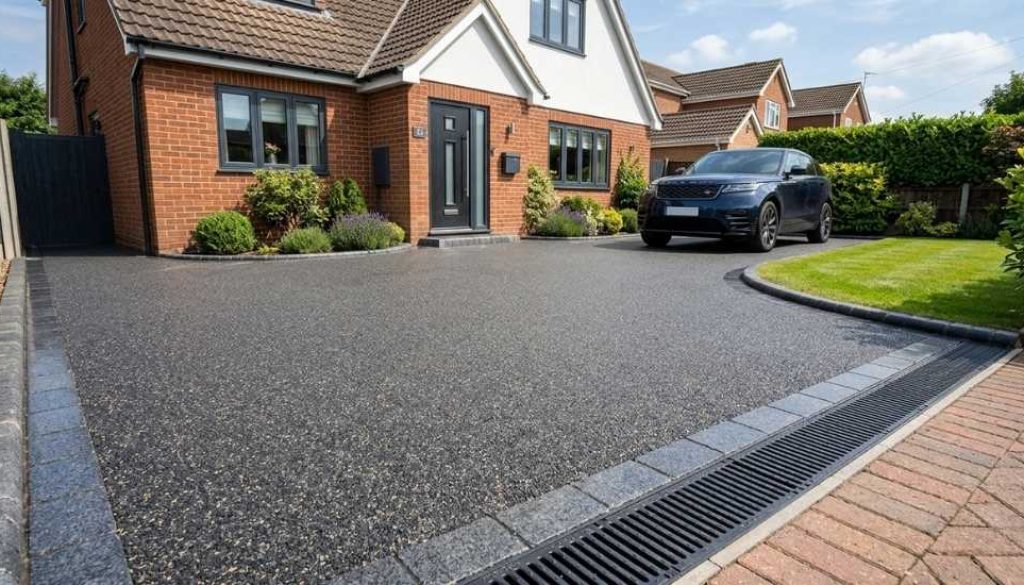
- Channel drainage systems to control flow
Each of these solutions works differently depending on the layout and ground conditions.
Getting this right early prevents a common scenario where a driveway looks perfect initially but starts holding water after the first period of heavy rain.
A well-designed driveway should clear water naturally, without relying on constant maintenance or temporary fixes.
Check If You Need a Dropped Kerb
If your driveway connects directly to the road, access is not just a design choice. It is also a matter of compliance.
In many cases, a dropped kerb is required to allow vehicles to move safely between the road and the driveway.
This involves:
- Approval from the local council
- Correct gradient to ensure safe entry and exit
- Proper integration with the driveway surface
Skipping this step can lead to complications later.
You may face restrictions on using the driveway as intended, or you may need to carry out additional work after installation to bring it up to standard.
Planning for a dropped kerb early ensures that access is both safe and compliant. It also allows the design of the driveway to align properly with the surrounding pavement and road levels.
This is not just about permissions. It is about making sure the driveway works as a complete system from the street to your property.
Choose Materials Based on Function, Not Just Appearance
Material choice is often where planning becomes too focused on aesthetics.
While appearance matters, it should not be the only factor guiding your decision.
Different materials perform differently under pressure, weather, and usage patterns.
For example:
- Block paving offers flexibility and is easier to repair if sections need to be lifted
- Resin-bound surfaces provide a smooth, modern finish with good permeability
- Tarmac is well-suited for larger areas and consistent vehicle traffic
The right choice depends on how the driveway will be used.
A household with multiple vehicles may prioritise durability and ease of maintenance. A smaller driveway may benefit from materials that maximise visual appeal while still performing well.
It is also worth considering how the material interacts with drainage, edging, and the overall layout.
Choosing purely based on appearance can lead to mismatches between how the driveway looks and how it performs. Over time, this often results in repairs or adjustments that could have been avoided with better planning.
A Scenario Many Homeowners Experience
A common situation highlights how planning decisions shape long-term results.
A homeowner selects a driveway design based on appearance alone. The layout looks clean, and the material suits the style of the property.
Once installed, everything appears to work well.
But over time, small issues begin to emerge.
Water starts collecting in certain areas after rainfall. Parking feels tighter than expected, especially when more than one vehicle is present. Access becomes slightly awkward during busy periods.
None of these issues are severe on their own. But together, they reduce how usable the driveway feels.
Importantly, these problems are not caused by poor workmanship. They are the result of decisions made before installation began.
This is why planning is not just a preliminary step. It is the stage where most long-term outcomes are determined.
Why Working With the Right Team Makes a Difference
Planning becomes much more effective when guided by experience.
An experienced team does not just focus on installing a surface. They look at how the space will function over time, taking into account ground conditions, drainage behaviour, and daily use.
At M&C Paving Northeast, every project starts with a clear understanding of these factors.
This includes:
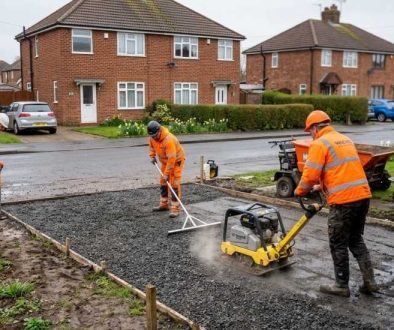
- Assessing the condition of the existing ground
- Identifying drainage requirements based on layout and soil type
- Recommending materials that match both use and environment
- Designing a layout that supports practical, everyday access
This approach ensures that each element works together as part of a complete system.
The result is a driveway that feels easy to use from the first day and continues to perform well through changing seasons.
It also reduces the likelihood of unexpected issues after installation, which is where many homeowners face additional costs or disruption.
Plan It Properly Now or Fix It Later
A well-planned driveway is not just about avoiding mistakes. It is about creating a space that works reliably every day.
Rushing decisions often leads to compromises that only become obvious once the driveway is in use.
Taking the time to plan properly allows you to:
- Maximise usable space without overcrowding
- Ensure water is managed effectively
- Choose materials that suit your needs long term
- Avoid compliance issues or additional work later
Understanding planning a new driveway UK from the start gives you control over the outcome.
Instead of reacting to problems after installation, you are preventing them before they happen.
If you are preparing for a new driveway, now is the right time to look at the details that will shape how it performs.
At M&C Paving Northeast, the focus is on getting these details right from the beginning. From layout and drainage to materials and groundwork, every stage is planned to deliver long-term results.
Book your consultation today and make sure your driveway is built on the right decisions from the start.