Is Your Garden Ready for Spring Use? Practical Upgrades to Start Now
Spring arrives and suddenly there’s an expectation your garden should be ready to use again. The sun comes out, the evenings stretch longer, and you start looking outside thinking it should feel inviting.
But for many homeowners across the North East, the reality is different when it comes to landscaping.
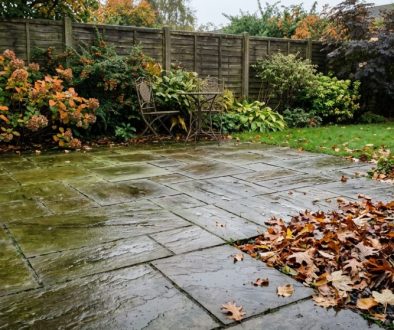
The ground still feels soft. Certain areas stay muddy no matter how many dry days you get. The patio might look fine from the window, but once you step on it, you notice uneven sections or water sitting where it should not.
This is the gap most people overlook. Spring does not reset your garden. It simply reveals what winter has left behind.
March is where that becomes obvious. It is also the best time to fix it before you lose another season to a space that never quite feels usable.
Why Many Gardens Still Feel Unusable in Spring
A garden rarely fails all at once. It becomes difficult to use in small, frustrating ways that build up over time.
After a wet winter, the most common issues tend to be:
- Soil that stays saturated long after rainfall
- Lawn areas that turn patchy, muddy, or compacted
- Surfaces that feel uneven or unstable
- Drainage that was never quite right to begin with
You might notice that certain parts of your garden are always avoided. People step around them without thinking. Furniture gets placed only in specific spots because other areas do not feel reliable underfoot.
It is a bit like having a room in your house where the floor creaks and dips. You can still use it, but you never fully relax in it.
That is what an unprepared garden feels like in spring.
The issue is not just appearance. It is functionality. If the space does not drain properly or hold its structure, it limits how often and how comfortably you can use it.
Start With the Ground, Not the Design
It is tempting to start with ideas. New paving, better seating, maybe a layout change.
But design without groundwork is where most gardens go wrong.
Before anything else, you need to look at how the garden performs:
- Does water drain away properly or sit in low spots?
- Does the ground feel firm or does it give under pressure?
- Are existing surfaces level and stable?
If these fundamentals are not addressed, any improvements on top will struggle to last.
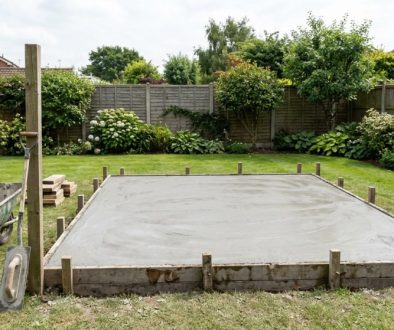
This is where many installations fail. A patio might be replaced with something visually better, but if the base underneath is still weak or poorly drained, the same issues return within a year or two.
At M&C Paving Northeast, groundwork is always the starting point. Because once the base is right, everything else holds its position and performs properly over time.
Think of it like laying flooring inside your home. You would never install a new surface over a soft or uneven subfloor and expect it to stay perfect. The same logic applies outside.
Replace Problem Lawns With Usable Space
Natural grass can look great in ideal conditions. The problem is that many North East gardens do not offer those conditions consistently.
Heavy rainfall, clay-heavy soil, and limited sunlight in certain areas all contribute to lawns that struggle to recover after winter.
The result is familiar:
- Muddy patches that never fully dry
- Worn areas where foot traffic has compacted the soil
- Uneven growth that makes the garden look tired
Artificial grass has become a practical solution because it removes these variables.
When installed properly with the correct sub-base:
- Water drains through efficiently rather than sitting on the surface
- The ground remains firm and consistent underfoot
- The appearance stays clean regardless of weather
This is not just about reducing maintenance. It is about turning previously unusable areas into spaces that can actually be used every day.
For families, this often means children can use the garden without bringing mud back inside. For homeowners, it means the garden stops being seasonal and starts becoming reliable.
Improve Patio Performance, Not Just Appearance
A patio is often the centre of a garden, but it is also one of the most commonly misunderstood areas.
Many patios look fine from a distance. The problems only become obvious when you use them.
You might notice:
- Water pooling in certain sections after rain
- Slight movement underfoot
- Edges that no longer feel straight or aligned
These are not just cosmetic issues. They are signs that the structure underneath is no longer performing properly.
Upgrading a patio should always focus on function first:
- Re-establishing correct levels so water flows away naturally
- Improving drainage to prevent build-up beneath the surface
- Rebuilding unstable sections where the base has weakened
Expanding the layout can also improve how the space is used. A slightly larger patio often makes a disproportionate difference, giving room for seating, movement, and better flow within the garden.
A well-built patio does not just look good on a sunny day. It works after rainfall, during colder months, and under regular use without shifting or holding water.
Create a Layout That Actually Works
A garden without structure often feels harder to use than it should.
You may have space, but it does not feel organised or practical.
This is where layout comes in. And it does not have to be complicated.
Simple changes can transform how a garden functions:
- Defined seating areas that feel intentional
- Clear pathways that guide movement
- Borders that separate lawn, paving, and planting areas
It is similar to rearranging a room indoors. The space itself has not changed, but how it is organised makes it easier to use.
One common improvement is connecting areas that previously felt separate. For example, linking a patio to a lawn with a clear path removes the awkward transition between surfaces.
Another is ensuring that high-traffic areas are supported by stable materials rather than soft ground.
These adjustments make the garden feel cohesive rather than fragmented.
A Real Example Homeowners Relate To
A typical North East garden often follows a familiar pattern.
There is a central lawn that has become patchy over time. A small patio sits at the back, usually just large enough for a table. The edges are undefined, and certain areas are rarely used.
After winter, the problems become clearer.
The lawn turns muddy and uneven. The patio feels limited and may hold water in certain spots. The overall space feels disconnected, even though there is enough room.
Instead of using the garden more in spring, homeowners often continue avoiding parts of it.
Now compare that with a garden where:
- The lawn area has been replaced or reinforced with a stable surface
- The patio has been extended and properly levelled
- Pathways connect different sections clearly
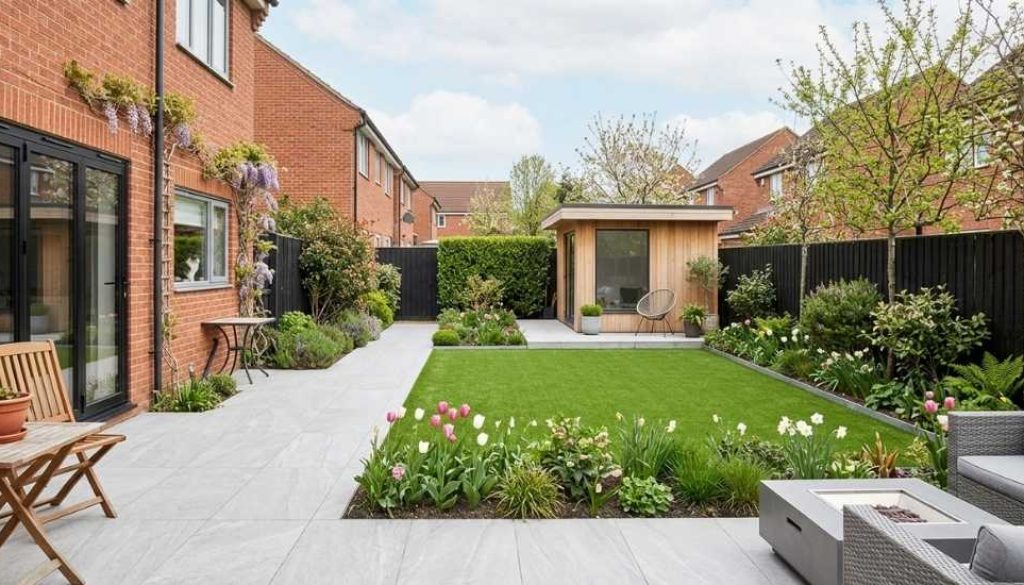
The same space becomes usable in a completely different way.
It stops feeling like a leftover outdoor area and starts functioning as an extension of the home.
Why Timing Matters More Than You Think
Many homeowners wait until late spring or early summer to make changes. By that point, demand is higher, schedules are tighter, and part of the season has already been lost.
March is a strategic window.
The ground has revealed its weak points after winter, but conditions are improving enough to carry out proper work. Addressing issues now means the garden is ready when you actually want to use it.
Delaying often means working around the problem instead of fixing it.
And once summer arrives, most people want to enjoy their garden, not have it under construction.
Make Your Garden Work This Spring, Not Just Look Better
A garden does not become usable just because the weather improves.
It becomes usable when the ground is stable, surfaces are reliable, and the layout supports how you actually live.
If parts of your garden still feel off, even after a few dry days, that is usually a sign that the issue runs deeper than the surface.
At M&C Paving Northeast, every project starts with understanding how the space performs, not just how it looks. From drainage and groundwork to layout and surface finishes, the focus is always on creating a garden that works day to day, not just on installation day.
Whether you are dealing with a failing lawn, an uneven patio, or a layout that no longer fits how you use your space, early action makes a significant difference. Smaller issues can be resolved before they develop into larger, more disruptive repairs.
Book your garden assessment today and get your outdoor space ready for the months ahead.