What a Proper Site Assessment Should Include Before Any Paving Work
A driveway should not begin with colour charts. It should begin with investigation. If someone can walk onto your property, glance at the area, scribble a number, and leave within ten minutes, you are not getting an assessment. You are getting a guess.
At M&C Paving Northeast, inspections are treated as the first stage of construction, not a courtesy visit before sending a quote. Because once paving is laid, correcting hidden problems is disruptive and expensive.
Here is what a proper site assessment actually involves and why each stage matters.
Ground Investigation Is the Starting Point
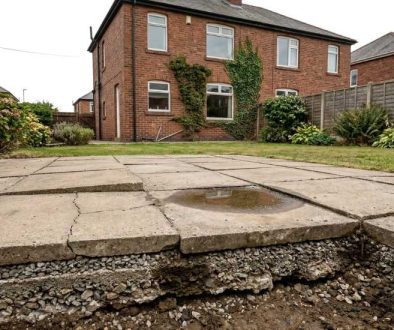
Most paving failures begin underground. The type of soil beneath your driveway determines how it reacts to moisture, pressure, and seasonal change. In parts of the Northeast, clay-heavy ground expands when wet and contracts during dry spells. That movement creates stress under rigid surfaces.
A professional assessment includes:
- Testing ground firmness
- Identifying previous fill or made-up ground
- Determining required excavation depth
- Specifying correct sub-base thickness
Sub-base depth is not arbitrary. It is calculated based on soil stability and expected load. Cutting corners here is like building on sand and hoping for the best.
This is why proper contractors do not price work without understanding the ground conditions first.
Drainage Planning Before Materials Are Discussed
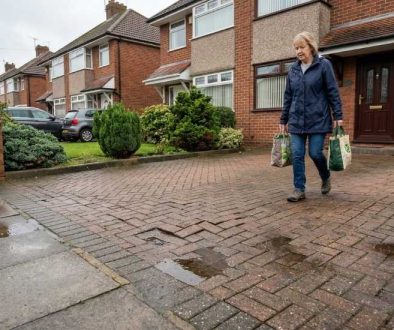
Water is the most common cause of paving failure. It does not announce itself dramatically. It works quietly, softening sub-bases, washing away fines, and creating slow settlement.
During a proper site survey, professionals assess:
- Natural slope direction
- Existing drainage infrastructure
- Gully positioning
- Potential low points
- Runoff impact on neighbouring properties
In the UK, surface water management is also a regulatory issue. Non-permeable driveways above certain sizes require compliant drainage solutions.
A trained installer calculates fall precisely. Too little fall leads to pooling. Too much fall creates an uneven, awkward surface.
Protecting the Damp-Proof Course
One of the most overlooked inspection steps involves finished surface height. If paving is installed too high, it can bridge the damp-proof course. That allows moisture to track into the property’s brickwork.
A thorough assessment includes:
- Measuring the damp-proof course level
- Planning final surface height
- Ensuring adequate separation
- Designing smooth threshold transitions
This is not visible in glossy photographs. It is structural protection. Professionals understand that a driveway should never compromise the building it surrounds.
Examining Existing Surfaces Properly
When replacing an old driveway, the visible cracks tell a story. An experienced installer does not just remove and replace. They ask why the previous surface failed.
They look for:
- Settlement patterns
- Edge collapse
- Poor sub-base composition
- Drainage washout
- Tree root intrusion
Simply resurfacing over weak groundwork is like repainting over damp plaster. It may look clean for a short period, but failure returns.
A proper assessment identifies the root cause before specifying a solution.
Load Assessment Based On Real Usage
Not every driveway carries the same stress. A household with two cars places different demands on a surface compared to one with trade vans, caravans, or delivery vehicles.
A professional survey includes questions such as:
- How many vehicles will park here regularly?
- Are heavy vans involved?
- Will turning movements occur frequently?
- Is this shared access?
These answers influence sub-base depth, material choice, and edging specification. Driveways fail when they are built to look good, rather than built to perform under load.
Edge Restraints and Structural Boundaries
Without proper edge restraints, block paving spreads gradually under vehicle pressure. That is when gaps appear and joints weaken.
A proper assessment reviews:
- Boundary lines
- Kerb integration
- Retaining requirements
- Council compliance for dropped kerbs
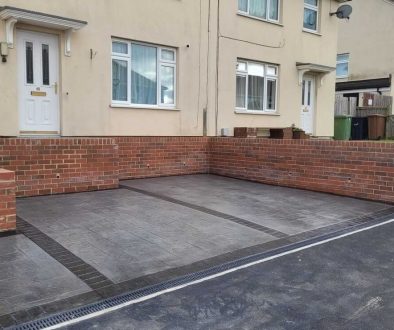
Dropped kerbs require correct gradients and approvals. Mistakes here can result in enforcement action. Professional installers factor these into the planning stage, not midway through installation.
Access and Practical Logistics
An honest site assessment also considers how the project will physically operate.
This includes:
- Machinery access width
- Space for material storage
- Waste removal routes
- Impact on neighbours
Restricted access can affect timeline and cost. Planning this upfront avoids mid-project disruption.
At M&C Paving Northeast, projects are completed by an in-house team. That consistency allows accurate planning from inspection through completion.
Material Selection Based on Site Reality
Only after groundwork, drainage, levels, and load requirements are evaluated should materials be discussed.
Each surface has different demands:
- Block paving offers flexibility and ease of repair
- Resin-bound requires stable, well-prepared bases
- Tarmac suits wide, open driveways
- Porcelain patios demand exact levelling
Material recommendations should reflect site conditions, not trends. A contractor who pushes a single surface without assessing the property is selling convenience, not suitability.
Transparent Scope and Detailed Quotation
A proper inspection leads to a detailed written specification.
It should clearly outline:
- Excavation depth
- Sub-base type and thickness
- Drainage solution
- Surface material
- Edge restraint system
- Waste removal
- Timeline
If these details are missing, the quote lacks substance.
Transparency protects both homeowner and contractor. It ensures expectations are aligned before ground is broken.
Why a Site Assessment Is Non-Negotiable
Paving is groundwork first, surface second. If the assessment shows that an existing patio, for example, needs replacing rather than repairing, professionally built Sunderland Patios ensure the new surface is installed on a properly prepared base with drainage and ground stability in mind.
When inspections are skipped, the consequences often appear within two or three winters:
- Sinking areas
- Standing water
- Joint movement
- Cracked edges
- Frost damage
A proper site assessment reduces those risks dramatically. It is not an optional extra. It is the start of professional installation. This applies to all kinds of paving.
Build From the Ground Up
If you are considering driveway or patio work in the North East, choose a contractor who inspects thoroughly before pricing.
Homeowners exploring Sunderland patios often focus on stone choice and layout, but a proper site assessment should always come first.
At M&C Paving Northeast, every project begins with a detailed site survey, structural checks, and honest advice. No shortcuts. No rushed estimates.
Book a proper assessment before any paving work begins. Solid surfaces always start below ground.