Artificial Grass in Winter: Does It Really Work in the North East?
Artificial grass is often marketed as a year-round solution, but winter in the North East is a real test. Prolonged rain, saturated ground, frost, and reduced daylight all expose whether a surface is practical or problematic. Homeowners considering artificial grass, or questioning an existing installation, need to understand how it performs during the coldest, wettest months and what separates a reliable installation from one that struggles.
How Winter Weather Affects Outdoor Surfaces
Winter brings sustained moisture rather than short downpours. Rain lingers, evaporation slows, and ground conditions remain saturated for weeks at a time. When temperatures drop, surface moisture freezes and thaws repeatedly, stressing both materials and base layers.
For any surface to perform well in winter, it must:
- Drain efficiently during prolonged rain
- Remain stable when ground conditions soften
- Avoid turning muddy or slippery
- Withstand frost without lifting or shifting
Artificial grass can meet these requirements, but only when designed and installed correctly.
Drainage Performance During Heavy Rain
Drainage is the single most important factor in winter artificial grass performance. The grass itself is permeable, allowing water to pass through the backing. What matters is what happens beneath the surface.
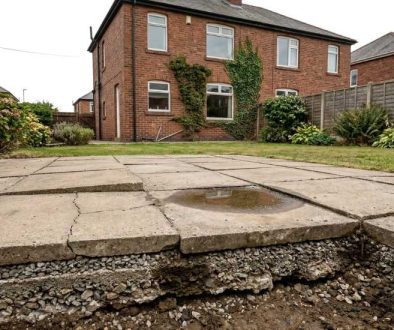
A properly built base allows water to disperse quickly into the ground. Poor installations trap water beneath the grass, leading to pooling, surface softness, and unpleasant odours over time.
Effective winter drainage relies on:
- A free-draining aggregate base
- Correct base depth and compaction
- Suitable ground preparation for clay-heavy soils
- Edging that prevents lateral movement
When drainage is done properly, artificial grass remains usable even during prolonged wet periods.

Mud Prevention and Garden Cleanliness
One of the biggest winter advantages of artificial grass is mud prevention. Natural lawns often churn into mud during winter due to foot traffic, pets, and waterlogged soil.
Artificial grass provides a stable, sealed surface that prevents soil from being brought to the surface. This keeps gardens cleaner and reduces mess being tracked indoors. For households with children or pets, this practical benefit often outweighs aesthetic considerations during winter months.
However, this benefit depends on proper edging and base construction. Without secure edges, surrounding soil can wash onto the surface during heavy rain.
Pet and Family Use During Colder Months
Winter use places different demands on outdoor surfaces. Artificial grass remains accessible when natural lawns become slippery, muddy, or unusable.
For pets, artificial grass offers:
- A consistent surface underfoot
- Reduced mud transfer into the home
- Easier cleaning after use
For families, it provides a safer, more predictable surface than waterlogged grass. Frost can still make any surface slippery, but artificial grass does not become slick in the same way as compacted soil or worn paving.
Regular rinsing during milder winter spells helps maintain hygiene and appearance.
Frost and Cold Weather Behaviour
Artificial grass does not crack or split during frost, but cold temperatures do affect how it feels underfoot. Fibres may feel firmer during freezing conditions, then soften again as temperatures rise.
Frost may form on the surface after overnight freezing, just as it would on natural grass. Once temperatures rise, artificial grass tends to clear frost more quickly due to better drainage and airflow through the fibres.
Problems during frost usually indicate:
- Poor base drainage
- Uneven compaction
- Trapped moisture beneath the surface
These issues relate to installation quality rather than the material itself.
Installation Considerations in Winter Months
Artificial grass can be installed during winter, but conditions must be assessed carefully. Ground preparation is critical, particularly when soils are saturated.
Professional installers account for:
- Soil moisture levels
- Base stability during wet conditions
- Weather windows for compaction and fixing
- Drainage performance under real rainfall
Rushed winter installations that skip proper base preparation are more likely to fail, leading to movement, pooling, or uneven surfaces later.

Maintenance Expectations Through Winter
Artificial grass requires less winter maintenance than natural lawns, but it is not maintenance-free. Leaves, debris, and organic matter should be cleared to maintain drainage and appearance.
Recommended winter care includes:
- Regular brushing to lift fibres
- Removing leaves before they decompose
- Occasional rinsing during milder weather
- Checking edges after heavy rain
Simple upkeep prevents long-term issues and keeps the surface performing well throughout winter.
When Artificial Grass May Not Be the Right Choice
Artificial grass is not suitable for every garden. Poor drainage conditions, severe slopes, or unstable ground may require alternative solutions or additional groundwork.
Professional assessment helps determine whether artificial grass will perform reliably through winter or whether groundwork improvements are needed first. Skipping this step increases the risk of winter-related problems regardless of surface choice.
Does Artificial Grass Really Work in North East Winters?
Artificial grass can perform very well during North East winters when drainage and base construction are done correctly. It prevents mud, remains usable in wet conditions, and withstands frost without structural damage. Most winter issues arise from poor installation rather than the material itself.
Choosing the right groundwork and installation approach is what makes artificial grass a reliable year-round solution. M&C Paving Northeast provides professional artificial grass installation and groundwork designed for North East winter conditions. If you are considering artificial grass or questioning an existing surface, expert advice ensures it performs as expected when winter weather arrives. Contact us.