
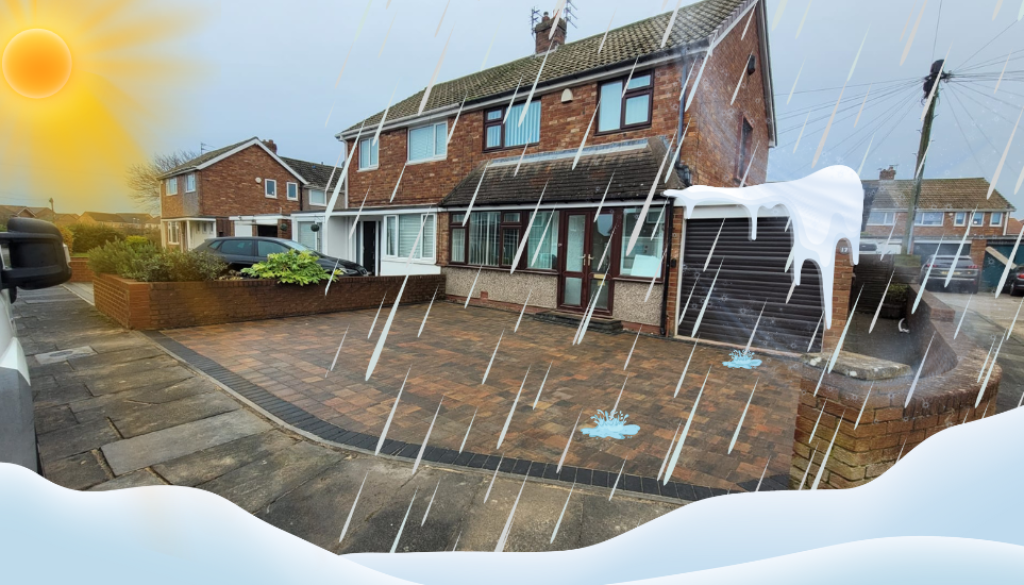
North East Weather-Proof Kerbing: Best Materials for Year-Round Durability
In the North East of England, weather conditions can be particularly challenging for outdoor construction. From persistent rain to winter frosts, these elements test the resilience of everything outside your home—including your kerbs. Kerbing is more than a finishing touch to a driveway or garden path; it plays a vital role in protecting the structure, guiding water flow, and contributing to overall property aesthetics. Selecting the right weather-resistant materials is essential for ensuring long-term durability and value.
The Impact of North East Weather on Kerb Installations
In the North East, properties experience a wide range of weather conditions that can severely affect kerb durability. Continuous rain can lead to erosion and water infiltration, whilst frost causes expansion and contraction of materials. Over time, this freeze-thaw cycle creates cracks and weakens poorly chosen or installed kerbs.
Such climatic conditions demand kerbing solutions that can withstand heavy moisture and resist damage from temperature changes. When kerbs fail under these stresses, they compromise the structure of adjacent driveways or garden paths, leading to safety hazards and reduced property appeal. Hence, durability in all weathers isn’t just a luxury—it’s a necessity.
Key Qualities of Weather-Proof Kerbing Materials
Weather-resistant kerbing must meet certain performance benchmarks. Not all materials behave the same when exposed to moisture, frost, or constant pressure. To ensure year-round resilience, the following features are essential:
- Frost resistance: Prevents cracking during freeze-thaw cycles.
- Low water absorption: Reduces erosion and moisture damage.
- Structural strength: Supports daily loads without displacement.
- Low maintenance: Maintains form and appearance with minimal effort.
Materials with these characteristics will perform reliably across seasons and significantly reduce the likelihood of early failure. These qualities also lower maintenance demands, saving homeowners time and money in the long run.
Top Materials for Year-Round Durability
Block Paving
Block paving remains one of the most reliable choices for kerbing due to its interlocking design and robust nature. It handles heavy foot and vehicle traffic exceptionally well and adapts to minor ground movements without cracking. The modular structure also allows for individual block replacements if needed.
Aesthetically, block paving is highly flexible, offering various colours, textures, and patterns. This versatility makes it suitable for both traditional and modern properties. When installed professionally, block paving kerbs last for decades with minimal degradation.
Concrete Kerbs
Concrete kerbs are commonly used for their strength and practical value. They are pre-cast for uniformity, making them easy to install and effective at resisting pressure. Their density means they are less likely to shift or crack under fluctuating weather conditions.
Though not typically considered decorative, concrete kerbs are ideal for driveways or areas prioritising function over form. With appropriate sealing and finishing, they can also be enhanced to improve visual appeal whilst retaining their structural benefits.
Natural Stone (Granite or Sandstone)
For those looking to combine beauty with performance, natural stone kerbs—especially granite or sandstone—are a premium option. Granite, in particular, is virtually impervious to water and resists frost, abrasion, and discolouration. These traits make it ideal for long-term use in exposed settings.
Natural stone’s appeal lies in its timeless aesthetic. It blends seamlessly with garden landscapes and enhances overall kerb appeal. Although more expensive, the durability and elegance of natural stone make it a worthwhile investment for high-end finishes.
Resin-Based Edging
Resin is gaining popularity for its flexibility, permeability, and smooth appearance. It can adjust to minor surface movements without cracking and allows water to pass through, which helps manage rainwater and reduces pooling. This is particularly useful in areas with heavy rainfall.
Whilst resin is primarily used for surfacing, it can also complement edging designs. Its range of colours and finishes allows for a neat, custom appearance, especially when used alongside resin-bound driveways.
Tarmac Edging
Tarmac is another practical choice, especially for homeowners seeking affordability and flexibility. It performs well in the North East climate, absorbing ground shifts without losing structure. Although its aesthetic options are limited, tarmac is highly effective where functionality is the primary concern.
Used often for driveway borders or road-side kerbing, tarmac provides a clean edge and is quick to install. It also requires less maintenance compared to some decorative materials.
Choosing the Right Material for Your Property
Not every material suits every property. Factors such as expected foot traffic, exposure to weather, landscape design, and personal preferences all influence the right kerbing choice. For example, high-use areas like driveways benefit more from block paving or concrete, whilst gardens may look better with natural stone or resin.
Property owners should also consider long-term costs. Whilst some materials come with a higher upfront investment, they often offer better durability and lower maintenance over time. Seeking professional advice is the best way to align your needs with the appropriate material solution.
Importance of Expert Installation for Longevity
Regardless of material choice, installation quality is paramount. Poor installation can lead to water ingress, displacement, and early deterioration, even in high-grade materials. Professionals understand how to excavate, level, and bed kerbs correctly, ensuring they remain stable and weather-resistant.
Expert installers also know how to integrate kerbing with the surrounding landscape to allow proper water drainage. This prevents pooling and erosion around the kerbs, further extending their lifespan. Investing in skilled labour means fewer repairs and a significantly better outcome.
Compliance with Local Regulations
In the North East, kerb installations—especially dropped kerbs—require strict adherence to local council regulations. These cover safety, access, and structural standards. Attempting an installation without proper permissions can result in fines or demands for removal.
Engaging professionals ensures all legal requirements are met. They handle planning applications and follow regulations closely, ensuring the project is not only built to last but also fully compliant from the start.
Longevity and Maintenance Tips for Weather-Resistant Kerbing
Even the best materials benefit from regular upkeep. With some simple steps, kerbing can remain in top condition for years:
- Clear debris regularly to prevent moss and weed build-up.
- Apply sealants where applicable to protect against stains and moisture.
- Inspect edges seasonally for signs of movement or damage.
- Repoint or reset any displaced sections as needed.
These practices extend the lifespan of your kerbing and ensure it continues to look and function well throughout the year.
Durable Kerbing that Withstands the North East Climate
Reliable kerbing is essential for maintaining the safety, appearance, and structure of your outdoor spaces. By selecting weather-resistant materials and ensuring proper installation, you can protect your investment from the challenges posed by the North East climate.
Whether you’re improving a driveway, enhancing a garden path, or installing a dropped kerb, M&C Paving Northeast offers professional solutions tailored to your needs. Contact M&C Paving Northeast today to schedule your consultation and get expert advice on durable kerbing built for all seasons.


