Resin, Block, or Tarmac? How Each Surface Performs in North East Winter Weather
Winter conditions in the North East quickly separate well-performing driveway surfaces from those that struggle. Frost, prolonged rain, and fluctuating temperatures place stress on both the surface material and the ground beneath it. Homeowners choosing between resin, block paving, and tarmac often focus on appearance or cost, but winter performance is just as important. Understanding how each surface handles cold, wet weather helps prevent safety issues, surface failure, and unnecessary repairs.
How Winter Weather Tests Driveway Surfaces
North East winters are rarely dry or consistent. Instead, surfaces face repeated freeze–thaw cycles, saturated ground, and slow evaporation. Water penetrates surfaces during rain, freezes overnight, then thaws again as temperatures rise. This repeated movement causes expansion, contraction, and gradual weakening.
A surface that performs well in winter must manage three key challenges:
- Resistance to frost-related movement
- Effective drainage to prevent water build-up
- Adequate grip to reduce slip risk
Each driveway material responds differently to these conditions.
Resin Driveways and Winter Performance
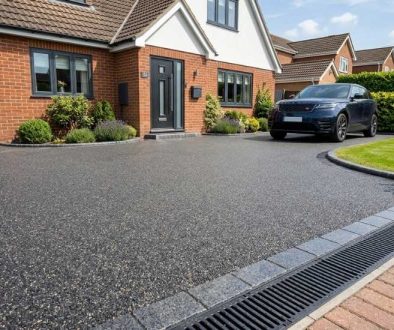
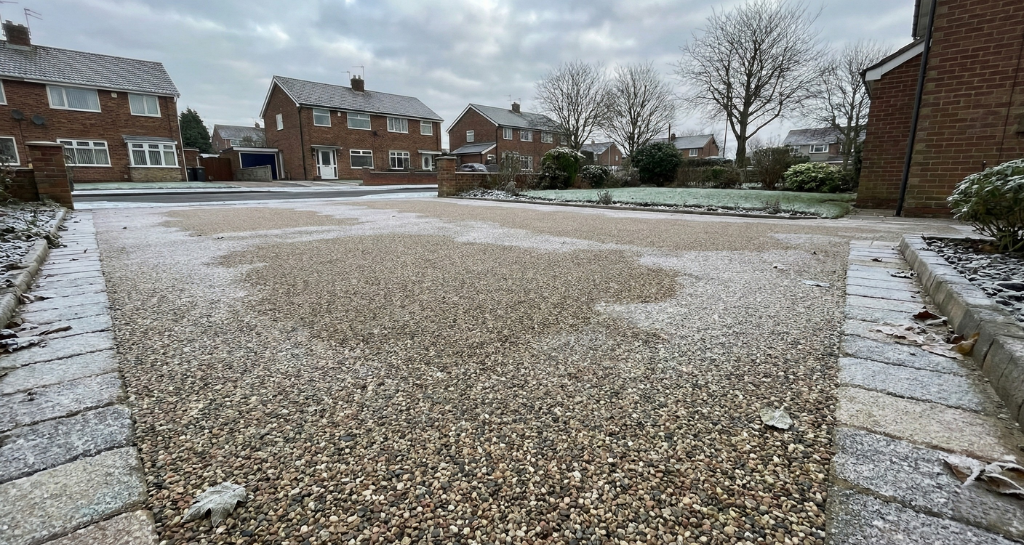
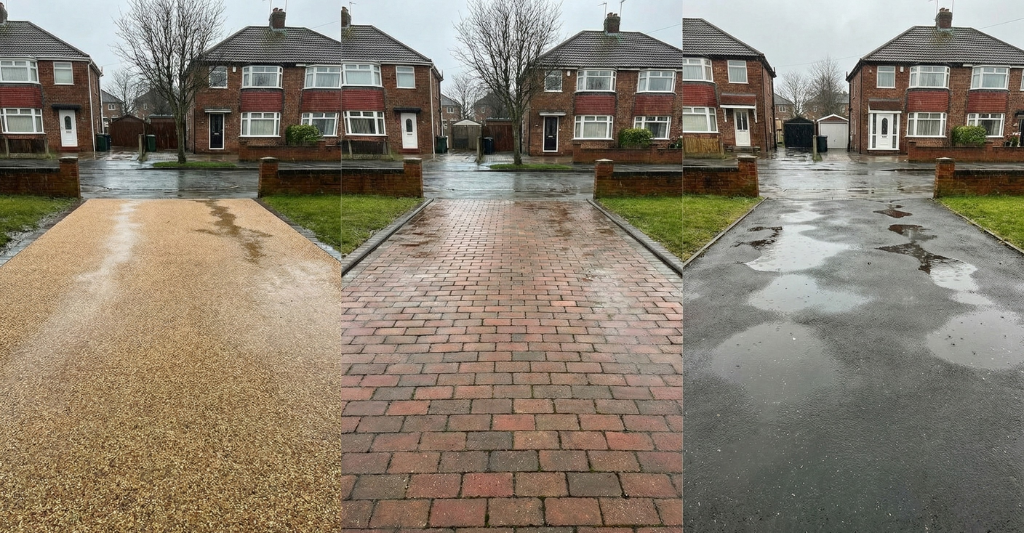
Resin-bound driveways are designed to be permeable, allowing water to drain through the surface rather than sitting on top. This characteristic plays a major role in winter performance.
By dispersing water quickly, resin reduces surface pooling and limits freeze–thaw pressure within the surface layer. Resin also has a degree of flexibility, which helps it tolerate minor ground movement without cracking. When installed correctly on a stable base, resin surfaces remain intact and visually consistent throughout winter.
Slip resistance depends on aggregate choice and finish. Outdoor resin systems use textured aggregates that provide grip in wet conditions. Whilst ice can still form during extreme cold, resin does not become inherently more slippery than other driveway materials.
Block Paving Performance in Cold and Wet Conditions
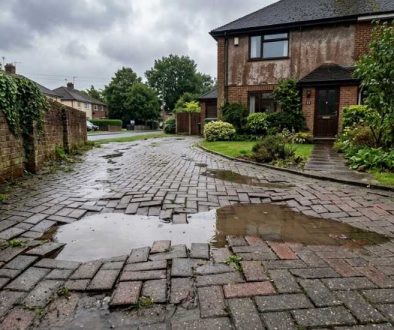
Block paving relies on individual units, jointing sand, and a well-compacted base. In winter, these elements are tested repeatedly.
Water drains through joints rather than pooling, which can be beneficial during heavy rain. However, moisture trapped in joints can freeze, forcing blocks apart and washing jointing sand into the base layers during thawing. This process leads to movement, uneven surfaces, and widening gaps if not addressed early.
Block paving offers good grip in wet weather due to its textured surface. Maintenance demands increase in winter, as joints may require re-sanding and debris must be cleared to maintain drainage efficiency.
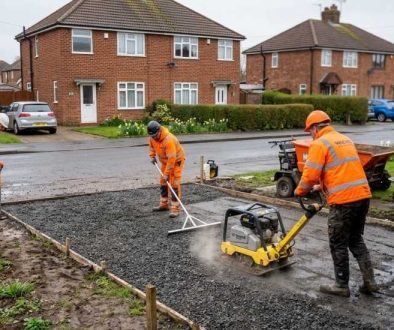
Tarmac Driveways and Winter Durability
Tarmac is valued for its flexibility and ability to cope with vehicle weight, but winter conditions still expose weaknesses when cracks appear.
Once water enters surface fractures, freeze–thaw cycles cause cracks to widen. Saturated base layers soften, allowing the surface to deform under traffic. Over time, this leads to soft spots, edge breakdown, and pothole formation.
Slip resistance is generally good when tarmac is new, but surface wear and algae growth during wet winters can reduce traction. Regular inspection is important to catch early signs of deterioration before major repairs are required.
Drainage Performance Compared Across Surfaces
Drainage is one of the most important factors in winter performance. Resin performs best in this area due to its permeability. Block paving manages water well when joints are intact, but performance declines if jointing sand is lost. Tarmac relies heavily on correct gradients and drainage channels, as water cannot pass through the surface.
Poor drainage increases:
- Freeze–thaw damage
- Surface movement
- Sub-base saturation
- Long-term repair costs
Surface choice should always be paired with appropriate drainage design.
Slip Risk and Safety During Winter Months
Slip risk increases in winter due to wet leaves, algae growth, and frost. Surface texture and maintenance play a larger role than material alone.
Resin and block paving offer reliable grip when properly installed and maintained. Tarmac can become slippery if algae develops or the surface wears smooth. Regardless of material, clearing debris and maintaining drainage reduces winter slip hazards.
No driveway surface is completely slip-proof in icy conditions, but appropriate material choice and upkeep significantly improve safety.
Maintenance Demands in Cold Weather
Winter maintenance varies by surface type. Resin requires minimal attention beyond keeping the surface clear to maintain permeability. Block paving benefits from joint inspection and occasional re-sanding. Tarmac may require crack monitoring and edge repairs to prevent water ingress.
Surfaces that receive regular winter checks are far less likely to suffer sudden failure once temperatures rise.
Choosing the Right Surface for North East Winters
There is no single best driveway material for every property. Resin offers excellent drainage and low maintenance, block paving provides grip and repair flexibility, and tarmac delivers strength when installed correctly with proper drainage.
The right choice depends on ground conditions, drainage design, usage patterns, and willingness to maintain the surface through winter months. Professional assessment ensures the chosen surface performs reliably year-round.
Making the Right Choice Before Winter Damage Sets In
Winter conditions reveal how well a driveway surface truly performs. Drainage efficiency, frost resistance, slip risk, and maintenance demands all influence long-term durability. Choosing the right material and installing it correctly prevents recurring winter damage and unnecessary repair costs.
M&C Paving Northeast provides expert advice and professional driveway installations designed for North East winter conditions. If you are comparing resin, block paving, or tarmac, contact M&C Paving Northeast for guidance tailored to your property and long-term needs.