Planning Driveway Access in North Shields: Parking and Vehicle Crossings

M&C ADVICE & INSPIRATION
Planning Driveway Access in North Shields: Parking and Vehicle Crossings
Plan your outdoor space
with a clearer picture.
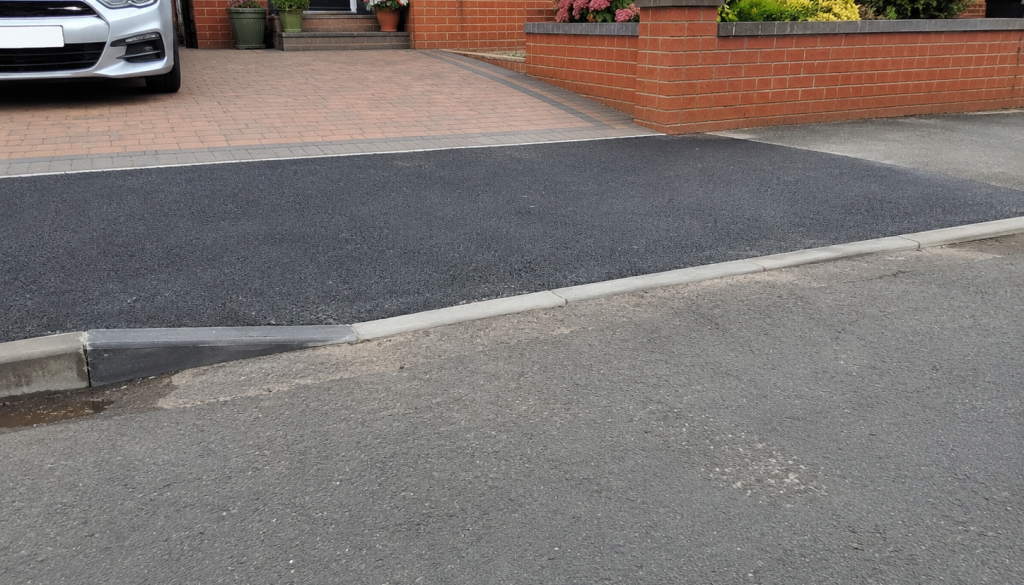
A new driveway in North Shields needs a workable entrance as well as space to park. Private surfacing, the route across a public footway and any planning checks are connected decisions, but they should be addressed separately. Resolve feasibility and responsibilities before ordering a new frontage or agreeing a construction date.
For a project at your property, explore our driveways in North Shields service and use the questions below to prepare for a site visit.
Separate private paving from a vehicle crossing
Driveway edging within your property is different from a vehicle access crossing across the public footway or verge. A crossing typically involves more than lowering the visible road kerb. Ask North Tyneside Council about the requirements for your address before commissioning work affecting the highway. A private driveway quotation is not itself approval for that work.
Check the actual parking layout
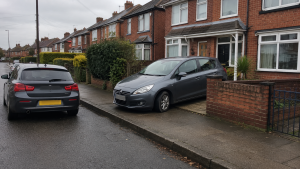
Measure the space vehicles will occupy with doors open and identify a separate practical walking route to the house. Consider bins, gates, inspection covers and any steps. Explain likely vehicle changes or deliveries at the survey. Do not assume that a neighbour’s arrangement establishes what is suitable or permitted at your address.
Contact the council before fixing the entrance design
North Tyneside Council publishes vehicle-access-crossing guidance. Use it as a starting point and confirm the current process and site requirements with the council. Ask who will check visibility, highway features, services and any other constraints relevant to the proposal. Obtain the decision and conditions that apply to your address before relying on a planned crossing position.
Keep planning and highway questions separate
Check whether the driveway, new access or other alterations need planning permission as well as highway consent. The answer depends on the actual proposal and property. Front-garden surfacing also raises drainage questions. Do not assume that a permeable material, an existing opening or a contractor’s experience settles every approval requirement.
Coordinate levels and the rainfall route
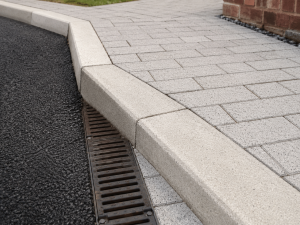
Discuss the connection between the private driveway and the crossing once the relevant requirements are established. Ask where rainfall will be collected or conveyed and its appropriate destination. A dropped kerb should not be treated as a default drainage outlet to the road. Record the entrance levels and drainage responsibilities in the proposal rather than leaving them to be resolved after surfacing.
Compare the full scope and sequence
Ask the quotation to identify private driveway work separately from crossing-related work and approvals. Clarify who can carry out each part under the council’s requirements, what is excluded and how access will be managed. Allow the programme to follow actual decisions and installation conditions; do not rely on a universal approval period or a promise that every frontage can have a crossing.
Keep the completed-work records
Retain approvals, relevant conditions, the agreed drawings and the private-work specification. At handover, review the agreed pedestrian route, gates, covers, edges and drainage with the contractor. Obtain aftercare and return-to-use instructions for the installed system. These records will help if the frontage or vehicle arrangements change later.
Start with North Tyneside Council’s vehicle-access-crossing guidance, which explains the requirement to obtain Highways permission before crossing work begins. Confirm the current requirements for your address with the council. For surfacing considerations, see the government’s front-garden surfacing guidance.
Our dropped-kerb service information explains what to discuss separately from the private driveway quotation.
For the wider local service range, see M&C’s North Shields location page.
For the wider options, see our Driveway Contractors page. The right specification depends on your property and the work agreed at survey.
Ready to discuss your own project? Contact M&C Paving Northeast to arrange a free site visit and quote.
Frequently asked questions
Who should I contact about a vehicle crossing in North Shields?
Start with North Tyneside Council and explain the proposed access at your address. Ask for its current vehicle-crossing process, assessment requirements and any related planning checks. Keep that enquiry separate from selecting the private driveway finish.
The council’s published guidance is useful background, but confirm the current conditions, costs and responsibilities before treating an online example or contractor quotation as the basis for work.
Is private driveway edging the same as a dropped kerb?
No. Private edging forms part of the driveway or garden layout, while a highway vehicle crossing concerns vehicle access across the footway or verge. The work and approvals can differ. Ask the quotation to identify the property boundary, which elements are included and who handles each responsibility.
A neat private entrance does not by itself establish permission to alter or drive across the public footway.
Does an existing crossing mean I can change the driveway freely?
Do not assume it covers every alteration. Changes to the crossing, entrance width, levels, surface, drainage or other property features may raise different questions. Explain the complete proposal to the relevant authority and ask what applies to your address.
Keep any decision or conditions with the construction documents so the contractor can coordinate the private work with the permitted access arrangement.
Can driveway water drain onto the road through the entrance?
Do not use that as an assumed drainage solution. A vehicle crossing is an access feature and does not itself establish an appropriate destination for private driveway rainfall. Ask the designer or contractor to explain the complete water route and check any relevant requirements.
Coordinate entrance levels with that arrangement before surfacing, rather than trying to add a drainage remedy after the driveway is complete.
What should I settle before booking the work?
Confirm access feasibility, relevant permissions or consents, responsibilities and the complete written scope. Discuss the vehicle layout, pedestrian route, entrance levels, drainage, utility features and household access during construction. Separate private work from any crossing requirements.
Ask how decisions or unexpected findings could affect the programme and price, and keep agreed changes in writing before the affected work proceeds.
FROM IDEAS TO YOUR OUTDOOR SPACE
Ready to take the next step?
Talk to M&C about the work you have in mind.
For homeowners searching for dropped kerb installers North East wide, summer is a sensible time to plan ahead. Family visits, school holidays, weekend traffic, work vans, and extra cars can make street parking tighter.
A proper dropped kerb can make the driveway easier to enter, safer to use, and more practical every day.
It also needs to be done correctly. A dropped kerb is part of the public footway, so it is usually controlled by the local council or highways authority.
That means homeowners should treat it as a proper access project, not a quick edge adjustment.
Why Summer Parking Can Expose Access Problems
Summer has a way of making small parking problems feel much bigger. More people are at home, visitors stay longer, and outdoor work often brings trades, deliveries, and extra vehicles to the street.
If your front garden or driveway space is ready, but the kerb is still full height, access becomes awkward. Cars may scrape underneath, tyres may bump hard over the edge, or drivers may swing too wide to avoid the kerb. That is frustrating for the driver and poor for the footway.
Common access issues include:
- A steep bump from road to driveway
- Tyres clipping the kerb
- Difficult turning from a narrow road
- Poor visibility when reversing
- Limited room for larger vehicles
- Awkward access during busy street parking
A dropped kerb helps create a smoother crossing point between the road and your property. Done properly, it makes the driveway feel like a planned entrance rather than a space you have to wrestle with.
What a Dropped Kerb Actually Does
A dropped kerb lowers the kerb stones at the edge of the pavement so vehicles can cross safely from the road to a driveway. It often includes strengthened footway construction too, because pavements are usually built for pedestrians rather than regular vehicle weight.
That strengthening matters. Driving over an ordinary pavement can damage slabs, crack surfaces, and create trip risks. A proper vehicle crossing is designed to cope with cars moving across it.
Think of it like adding a small bridge between the road and your driveway. It may look simple from the outside, but the strength comes from the structure beneath.
A correct dropped kerb should support smoother vehicle access, protect the pavement, help define the driveway entrance, and reduce the risk of damaging the edge of your new driveway.
Council Approval Comes First
Dropped kerbs are usually linked to council approval because the work affects the public highway or footway. Each local authority can have its own process, so homeowners should check the rules for their area before starting.
Some councils may look at driveway depth, road type, visibility, nearby junctions, parking pressure, trees, street furniture, utility covers, drainage, and whether planning permission is needed. Rules can also differ if the property is on a classified road, in a conservation area, or part of a shared access arrangement.
This is why it helps to speak with a contractor who understands driveway access work. The job is not just about lowering kerbs. It is about making sure the access is suitable, safe, and built to the required standard.
M&C Paving Northeast can help homeowners understand the practical side of the work, including how the driveway surface, levels, and kerb access should line up.
Your Driveway Layout Still Matters
A dropped kerb is only useful if the driveway behind it works properly. The car needs enough space to sit clear of the pavement, doors need room to open, and the vehicle should enter without tight or unsafe manoeuvres.
Before applying or booking work, it is worth looking at the full front layout. A driveway may need reshaping, resurfacing, better drainage, new edging, or a clearer parking bay before the dropped kerb makes sense.
Key layout questions include:
- Can the vehicle fit fully inside the property?
- Is there enough depth from the pavement to the house?
- Will the access point line up with the driveway?
- Does water drain away from the home?
- Are paths, steps, walls, or borders in the way?
Drainage and Levels Should Never Be an Afterthought
A dropped kerb changes how the driveway meets the road, so levels must be handled with care. Poor levels can send rainwater where it should not go, create a harsh bump, or leave the driveway edge exposed to damage.
Drainage matters across the whole project. Water should move safely away from the property and avoid sitting at the pavement edge, driveway entrance, or garage threshold. If a driveway is being installed at the same time, the kerb, entrance, edging, and surface fall should all work together.
This is where an experienced driveway team can save trouble. A neat finish at the front edge is important, but the hidden levels decide how the access behaves after rain.
Why Correct Installation Protects the Driveway
Correct installation helps the whole driveway last longer. It creates a smoother route for tyres, reduces edge pressure, and gives the entrance a cleaner finish.
For block paving, the entrance needs strong edge restraint and careful alignment. For resin, the crossing should meet the surface neatly without weak edges. For tarmac and concrete, levels and finish are vital because harsh joins can become problem areas.
M&C Paving Northeast works with driveways and kerbs, block paving, resin, tarmac, and concrete, which helps when the entrance and driveway need to be planned as one job.
Plan Before the Street Gets Busier
Summer parking can turn a small access problem into a daily irritation. If family, visitors, work vehicles, or school holiday routines put more pressure on the street, a proper driveway entrance can make life easier.
Planning early also helps if council approval, driveway preparation, or layout changes are needed. Dropped kerb work can involve more than the visible kerb stones, so timing matters.
Homeowners should avoid rushing the job or treating it as a simple shortcut. The best results come from a clear plan, suitable approval, correct groundwork, and a driveway entrance that fits the property.
Make Driveway Access Safer and Simpler
A dropped kerb can make a real difference to how your driveway works. It can improve daily access, protect the pavement, reduce awkward parking, and help your front entrance feel properly finished.
If summer parking is already starting to feel tight, M&C Paving Northeast can assess your driveway access and explain the next practical steps.
Speak to the team about dropped kerb installation, driveway surfacing, and front-of-home improvements across the North East.
FAQs
For all your paving and landscaping services…
Call us today – 0191 743 2048