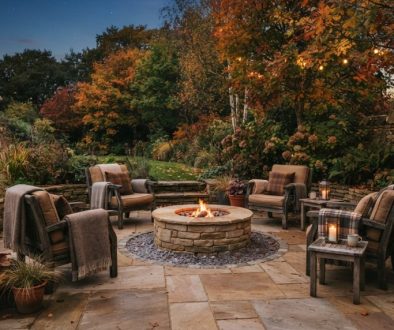
Artificial Grass For Busy Summer Gardens in the North East
For homeowners searching for artificial grass North East wide, June is a practical time to look at the garden properly. The ground has had time to show muddy patches, thin areas, drainage problems, and corners that barely recover from winter.
Artificial grass is not the answer for every garden, but it can be a strong option for homes that need a cleaner, greener, lower-upkeep outdoor space.
The best way to judge it is to look at the parts of the garden that keep failing. If the same patch turns muddy every week, or the same corner never grows evenly, the issue is often used, shade, drainage, or poor ground shape rather than one unlucky season.
Artificial grass can solve that pattern when it is fitted with the right base.
Why Summer Shows What Your Lawn Can Handle
June is when the garden stops being something you look at through the window and becomes part of daily life. More foot traffic exposes weak spots quickly.
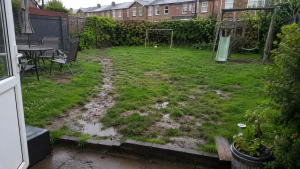
A lawn may look acceptable in early spring, then start to fail once the weather improves. The same route to the shed becomes bare. A shaded corner turns patchy. A damp area near the patio becomes messy every time someone walks over it.
Busy lawns often show:
- Mud near doors and steps
- Thin grass where pets run
- Worn areas under chairs or play equipment
- Uneven ground that catches feet
- Weeds spreading across tired patches
- Standing water after rain
These signs matter because they affect how the garden feels. A lawn that leaves mud on shoes, paws, and floors can turn a summer garden into extra housework.
Where Artificial Grass Works Best
Artificial grass works best where the garden has a clear use. It can help small gardens, family spaces, rental properties, pet areas, and homes where mowing has become more trouble than it is worth.
It can be especially useful in compact North East gardens where natural grass gets limited sunlight. Small spaces often suffer because people cross the same patch again and again. Natural turf needs rest, light, and care. Some gardens simply ask too much of it.
Artificial grass can suit:
- Children’s play areas
- Pet-friendly gardens
- Small town gardens
- Shaded lawns
- Low-upkeep homes
- Spaces beside patios
- Garden paths and seating zones
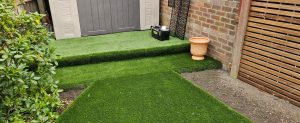
It also works well beside paved areas. A neat artificial lawn next to a new patio can make the garden feel cleaner and more finished, like a sharp green rug laid beside stone.
The Base Matters More Than the Grass
Good artificial grass starts below the surface. The visible grass is only the final layer. The base decides how level, firm, and well-drained the finished area will be.
Poor preparation can lead to dips, wrinkles, soft areas, bad drainage, and edges that lift. That is why artificial grass should be installed with proper ground clearance, a compacted base, weed control, edging, and drainage planning.
A professional installation should consider:
- How the old lawn or surface will be removed
- Whether the ground needs levelling
- How rainwater will drain
- What edge restraints are needed
- Which grass pile suits the garden use
Drainage Still Needs Care
Artificial grass can help reduce muddy mess, but water still needs a clear route. A garden with poor drainage before the work may still need ground correction, drainage layers, or better levels.
June is a useful month for checking this. Summer showers can reveal where water gathers, especially near patios, fences, steps, and shaded corners. If water sits for hours, the base must be planned carefully before the grass is fitted.
Good drainage helps the garden stay usable after rain. It also helps prevent smells in pet areas, soggy edges, and puddles under seating or play equipment.
For households with children or dogs, this can make a real difference. The garden becomes easier to use without tracking half the lawn back through the kitchen.
Artificial Grass Can Cut Weekend Chores
Summer should not be swallowed by mowing, strimming, feeding, reseeding, and trying to rescue worn patches. Artificial grass removes many of those routine jobs.
It still needs care. Leaves should be brushed off, spills should be cleaned, and pet areas should be rinsed. The difference is that upkeep becomes quicker and more predictable.
Homeowners often choose artificial grass because they want:
- No mowing
- No muddy bare patches
- A greener look through summer
- Easier cleaning after pets
- Less mess around patios and doors
- A garden that looks tidy between uses
Match the Grass to the Household
Artificial grass comes in different pile heights, densities, colours, and textures. The right choice depends on how the garden is used.
A soft, longer pile can feel comfortable for a seating area or children’s space. A shorter, firmer grass can suit pets and heavy foot traffic. Colour also matters. Very bright green can look false in a North East garden, while mixed tones often look more natural.
Think about the main job of the space. A lawn for children needs comfort and durability. A pet area needs drainage and easy cleaning. A decorative strip beside a patio needs a neat finish and strong edging.
A good installer should show samples and explain the difference in plain terms.
Link It With Patios, Paths, and Borders
Artificial grass often works best as part of a wider garden layout. It may need to meet a patio, path, fence, raised border, or driveway. Those joins decide how clean the finished garden looks.
M&C Paving Northeast works across patios, landscaping, fencing, paving, driveways, and artificial grass, so the whole outdoor space can be planned together. This helps avoid awkward edges and small unfinished corners.
For example, a garden may need a porcelain patio for seating, artificial grass for play, a new fence for privacy, and a paved path to the gate. Planning these together can make the space work better.
A tidy edge is more than a detail. It stops movement, frames the grass, and gives the garden a cleaner shape.
Make Your Summer Garden Easier to Use
Artificial grass can be a practical choice for busy North East homes that need a clean, simple, usable garden through summer. It can help with mud, worn patches, mowing, pet mess, and tired lawns that no longer suit daily life.
The best results come from good preparation, proper drainage, careful edging, and a grass type matched to the household. The surface should look natural, feel comfortable, and sit neatly with the rest of the garden.
If your lawn is causing more work than enjoyment, M&C Paving Northeast can assess the space and explain the right options.
Call the team to book a local artificial grass quote and get your garden ready for regular summer use.
FAQs
For all your paving and landscaping services…
Call us today – 0191 743 2048