Patio Ideas For June Garden Use In The North East

M&C ADVICE & INSPIRATION
Patio Ideas For June Garden Use In The North East
Plan your outdoor space
with a clearer picture.
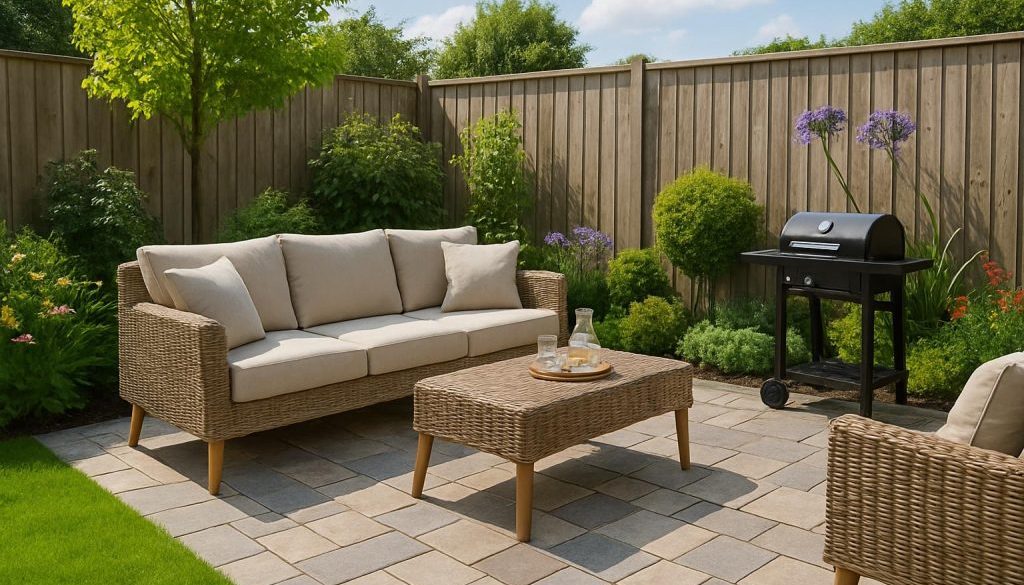
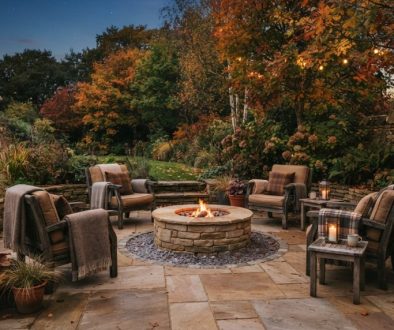
A patio earns its place in June. The garden starts getting used again, chairs come out of storage, and the old awkward corners become harder to ignore. A space that felt fine in March can feel cramped, slippery, or poorly planned once people are using it.
Planning a garden in North Shields? Our local patio service starts with the same everyday questions about furniture, paths, thresholds and access. Use the observations below to explain what works in your existing garden and what needs to change.
For homeowners comparing patio installers North East wide, June is a month to look at the garden with fresh eyes. The weather is brighter, outdoor meals feel possible, and drainage or level issues from winter have had time to show.
A patio should do more than fill a gap with slabs. It should make the garden easier to use, safer to walk through, and better suited to normal family life. The best patios feel settled, as if the house finally grew the right pair of shoes.
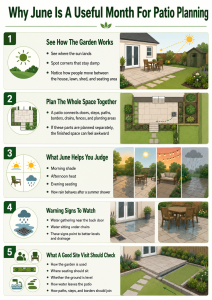
Why June Is A Useful Month For Patio Planning
June gives you a clear picture of how the garden works in real life. You can see where the sun lands, which corners stay damp, and how people move between the house, lawn, shed, and seating area.
That matters because a patio often connects doors, steps, paths, borders, drains, fences, and planting areas. If those parts are planned separately, the finished space can feel awkward.
In June, you can judge morning shade, afternoon heat, and evening seating more easily. You can also see how rain behaves after a summer shower. If water gathers near the back door or sits under chairs, the patio needs better levels and drainage.
A good site visit should check the way the garden is used, where seating should sit, whether the ground is level, how water leaves the patio, and how paths, steps, and borders should join.
Start With The Way You Use The Garden
A patio should match the household before it matches a trend. A couple who enjoy quiet evening meals need a different layout from a family with pets, storage boxes, and a barbecue that appears every Saturday.
Start by asking what the patio needs to handle. Do you want a small table by the back door, a full dining area, a safe space for children, or a low-upkeep garden for busy weeks? The answer shapes the size, surface, and position.
For many North East homes, the best patio layout gives each part a clear purpose. One area can hold seating, another can link to the lawn, and a border can soften the edge with plants or gravel.
Useful patio zones include:
- Dining near the kitchen
- A quiet coffee corner
- Space for bins or storage
- A path to the gate or shed
- Safe steps by the back door
Planning by use keeps the patio practical. It also stops the space from becoming a large paved island that looks smart but feels oddly empty.
Choose A Surface That Suits The Setting
Patio materials should suit the property, garden, and level of use. The right surface can make the space easier to clean, safer underfoot, and better matched to the rest of the home.
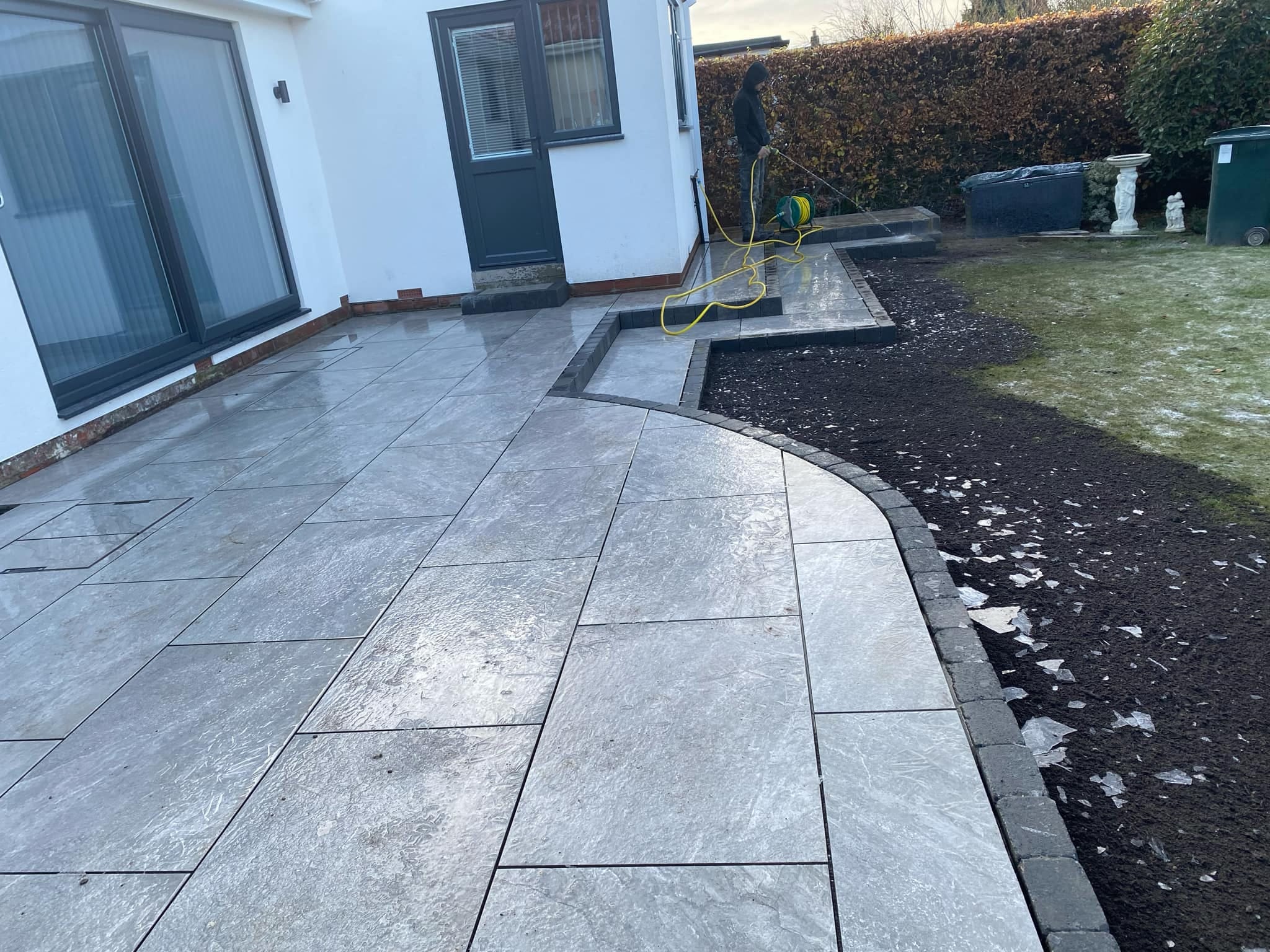
Porcelain paving is popular for a sharp, clean finish. It can suit modern gardens, neat seating areas, and homes where low upkeep matters. Its smooth look works well with straight lines, raised borders, and simple planting.
Indian sandstone gives a warmer, more natural finish. Each slab has its own colour variation, which can suit older homes and spaces where a softer look is wanted.
Concrete paving can be practical for simple patios and utility areas. Block paving can help where the patio links with a driveway, path, or edge detail.
The material should be chosen after the ground has been checked. A beautiful slab on poor preparation is still a problem waiting underfoot.
Build Around Drainage First
Drainage is the quiet part of patio work that homeowners notice only when it goes wrong. A patio that holds water can become slippery, stained, and frustrating to use.
June is useful because wet and dry spells can reveal problem areas. Watch where rainwater travels after a shower. It should move safely away from the house and avoid sitting against walls, steps, or door thresholds.
Good patio drainage depends on the correct fall away from the property, stable sub-base preparation, suitable jointing, drainage channels where needed, and careful edges near lawns and borders.
Water should have a route. Without one, it finds its own path, like a spilled cup of tea running across a tilted tray. That may mean puddles, stains, or damage below the surface.
M&C Paving Northeast plans patios with drainage in mind, so the finished space looks good and behaves properly after rain.
Use Steps, Borders, And Levels Carefully
Many gardens in the North East have small level changes. A back door may sit higher than the lawn, an old path may slope badly, or a patio may need to meet an existing driveway or side gate.
Steps and borders can solve those issues when they are planned well. Poorly placed steps, narrow landings, or sudden drops can make the garden harder to use.
A safer patio should include clear, even steps, enough room by the back door, neat edging to hold the patio in place, smooth joins between patio and lawn, and borders that keep soil contained.
Borders also improve the look of the garden. A dark block edge can frame light porcelain. A natural stone edge can help sandstone feel more settled. Gravel strips can soften a boundary and help with water movement.
Link The Patio With The Rest Of The Garden
A patio works best when it belongs to the full garden layout. That may mean adding a path, adjusting a fence line, fitting artificial grass, or creating a planted edge that makes the paved area feel less harsh.
M&C Paving Northeast also works across landscaping, fencing, artificial grass, driveways, and dropped kerbs. That wider view helps when a patio project touches more than one part of the property.
A tired lawn beside a new patio can make the whole space look unfinished. A broken fence can spoil a clean seating area. A narrow path can make access awkward even if the patio itself is strong.
Looking at the garden as one space can help with better access, lower upkeep, improved privacy, safer surfaces, and stronger visual balance.
Plan the Work Around Your Garden
June can help you notice how the garden is being used, but the same observations are useful whenever you plan a patio. Keep notes on seating, shade, access and rainfall, then use them to shape a site visit. Arrange dates around the actual work and suitable installation conditions rather than a claim that one month is best.
A proper patio quote should include more than a surface choice. It should cover ground preparation, drainage, levels, edging, access, materials, and how the work will fit with the wider garden.
M&C Paving Northeast can assess your garden, explain options, and recommend a patio finish that suits your home. Whether you want porcelain, sandstone, block paving, concrete paving, new borders, artificial grass, or landscaping, the plan starts with a clear site visit.
June is a good time to stop working around a tired patio and start building a garden space that earns its keep. Call M&C Paving Northeast to book a patio quote and get your garden ready for the months ahead.
For other connected garden work, see our North Shields services.
For the wider options, see our Patio Installation page. The right specification depends on your property and the work agreed at survey.
Ready to discuss your own project? Contact M&C Paving Northeast to arrange a free site visit and quote.
Frequently asked questions
Is June the only good time to plan a patio?
No. Summer use can reveal where you want shade, seating or a clearer route, but observations in other seasons are useful too. Winter rain may show a drainage problem that a dry afternoon hides.
Keep notes across the conditions you experience and discuss a suitable programme for the proposed work. The paving system and weather during installation matter more than a month named in a guide.
How much room should I leave around patio furniture?
Use your own table and chairs to test the layout. Pull the chairs out as someone would when sitting down, open nearby doors and walk past carrying a tray. Include the route to the gate, shed or lawn.
Marking those positions gives you a practical starting point for dimensions. A patio that fits the furniture tightly on paper may still feel cramped during everyday use.
Should the seating area be next to the house?
It can make carrying food and drinks easier, but the best position depends on the garden. Observe sun, shade, wind and privacy where you actually sit. A second small seating area may suit a different part of the day.
Keep the route between spaces straightforward and consider lighting and changes in level. Choose the position before allowing a paving pattern to determine the whole layout.
Can an existing patio be improved without replacing it all?
Possibly. A sound area may work better with different furniture, a clearer route or a planned extension. Moving or damaged paving needs assessment before cosmetic changes are chosen. Explain which parts you like and which cause trouble so the proposal can distinguish retained areas from repairs or new construction.
That avoids treating a tired appearance alone as proof that the whole patio must be removed.
How should a patio connect to the rest of the garden?
Start with the journeys people already make: between the door and lawn, to the bins, and through the gate. Keep those routes usable when chairs are occupied. Include steps, borders, drainage and the meeting point with existing paths in the plan.
Where access needs are changing, discuss them early. A connected layout is easier to use than a seating area designed without the surrounding garden in mind.
FROM IDEAS TO YOUR OUTDOOR SPACE
Ready to take the next step?
Talk to M&C about the work you have in mind.
A patio earns its place in June. The garden starts getting used again, chairs come out of storage, and the old awkward corners become harder to ignore. A space that felt fine in March can feel cramped, slippery, or poorly planned once people are using it.
For homeowners comparing patio installers North East wide, June is a month to look at the garden with fresh eyes. The weather is brighter, outdoor meals feel possible, and drainage or level issues from winter have had time to show.
A patio should do more than fill a gap with slabs. It should make the garden easier to use, safer to walk through, and better suited to normal family life. The best patios feel settled, as if the house finally grew the right pair of shoes.
Why June Is A Useful Month For Patio Planning
June gives you a clear picture of how the garden works in real life. You can see where the sun lands, which corners stay damp, and how people move between the house, lawn, shed, and seating area.
That matters because a patio often connects doors, steps, paths, borders, drains, fences, and planting areas. If those parts are planned separately, the finished space can feel awkward.
In June, you can judge morning shade, afternoon heat, and evening seating more easily. You can also see how rain behaves after a summer shower. If water gathers near the back door or sits under chairs, the patio needs better levels and drainage.
A good site visit should check the way the garden is used, where seating should sit, whether the ground is level, how water leaves the patio, and how paths, steps, and borders should join.
Start With The Way You Use The Garden
A patio should match the household before it matches a trend. A couple who enjoy quiet evening meals need a different layout from a family with pets, storage boxes, and a barbecue that appears every Saturday.
Start by asking what the patio needs to handle. Do you want a small table by the back door, a full dining area, a safe space for children, or a low-upkeep garden for busy weeks? The answer shapes the size, surface, and position.
For many North East homes, the best patio layout gives each part a clear purpose. One area can hold seating, another can link to the lawn, and a border can soften the edge with plants or gravel.
Useful patio zones include:
- Dining near the kitchen
- A quiet coffee corner
- Space for bins or storage
- A path to the gate or shed
- Safe steps by the back door
Planning by use keeps the patio practical. It also stops the space from becoming a large paved island that looks smart but feels oddly empty.
Choose A Surface That Suits The Setting
Patio materials should suit the property, garden, and level of use. The right surface can make the space easier to clean, safer underfoot, and better matched to the rest of the home.
Porcelain paving is popular for a sharp, clean finish. It can suit modern gardens, neat seating areas, and homes where low upkeep matters. Its smooth look works well with straight lines, raised borders, and simple planting.
Indian sandstone gives a warmer, more natural finish. Each slab has its own colour variation, which can suit older homes and spaces where a softer look is wanted.
Concrete paving can be practical for simple patios and utility areas. Block paving can help where the patio links with a driveway, path, or edge detail.
The material should be chosen after the ground has been checked. A beautiful slab on poor preparation is still a problem waiting underfoot.
Build Around Drainage First
Drainage is the quiet part of patio work that homeowners notice only when it goes wrong. A patio that holds water can become slippery, stained, and frustrating to use.
June is useful because wet and dry spells can reveal problem areas. Watch where rainwater travels after a shower. It should move safely away from the house and avoid sitting against walls, steps, or door thresholds.
Good patio drainage depends on the correct fall away from the property, stable sub-base preparation, suitable jointing, drainage channels where needed, and careful edges near lawns and borders.
Water should have a route. Without one, it finds its own path, like a spilled cup of tea running across a tilted tray. That may mean puddles, stains, or damage below the surface.
M&C Paving Northeast plans patios with drainage in mind, so the finished space looks good and behaves properly after rain.
Use Steps, Borders, And Levels Carefully
Many gardens in the North East have small level changes. A back door may sit higher than the lawn, an old path may slope badly, or a patio may need to meet an existing driveway or side gate.
Steps and borders can solve those issues when they are planned well. Poorly placed steps, narrow landings, or sudden drops can make the garden harder to use.
A safer patio should include clear, even steps, enough room by the back door, neat edging to hold the patio in place, smooth joins between patio and lawn, and borders that keep soil contained.
Borders also improve the look of the garden. A dark block edge can frame light porcelain. A natural stone edge can help sandstone feel more settled. Gravel strips can soften a boundary and help with water movement.
Link The Patio With The Rest Of The Garden
A patio works best when it belongs to the full garden layout. That may mean adding a path, adjusting a fence line, fitting artificial grass, or creating a planted edge that makes the paved area feel less harsh.
M&C Paving Northeast also works across landscaping, fencing, artificial grass, driveways, and dropped kerbs. That wider view helps when a patio project touches more than one part of the property.
A tired lawn beside a new patio can make the whole space look unfinished. A broken fence can spoil a clean seating area. A narrow path can make access awkward even if the patio itself is strong.
Looking at the garden as one space can help with better access, lower upkeep, improved privacy, safer surfaces, and stronger visual balance.
Book Before The Garden Season Runs Ahead
June is a strong month to plan patio work because the garden is active and the issues are visible. It also helps you avoid leaving the job until late summer, when diaries can fill and weather becomes less reliable.
A proper patio quote should include more than a surface choice. It should cover ground preparation, drainage, levels, edging, access, materials, and how the work will fit with the wider garden.
M&C Paving Northeast can assess your garden, explain options, and recommend a patio finish that suits your home. Whether you want porcelain, sandstone, block paving, concrete paving, new borders, artificial grass, or landscaping, the plan starts with a clear site visit.
June is a good time to stop working around a tired patio and start building a garden space that earns its keep. Call M&C Paving Northeast to book a patio quote and get your garden ready for the months ahead.
FAQs
For all your paving and landscaping services…
Call us today – 0191 743 2048