The Best Patio Materials for Frost and Wet Weather
Winter weather places significant strain on patios, particularly in areas that experience frequent rain, frost, and temperature changes. Materials that perform well in summer can quickly become slippery, cracked, or uneven once cold and moisture set in. Choosing the right patio surface is not only about appearance; it directly affects safety, durability, and long-term maintenance. Understanding how different materials respond to frost and wet conditions helps homeowners avoid costly repairs and enjoy a usable outdoor space year-round.
Why Winter Conditions Are Tough on Patios
Patios are constantly exposed to the elements. During winter, moisture penetrates surfaces and joints, then freezes as temperatures drop. This expansion places pressure on the material and the base beneath it. When temperatures rise, thawing allows water to sink deeper, repeating the cycle.
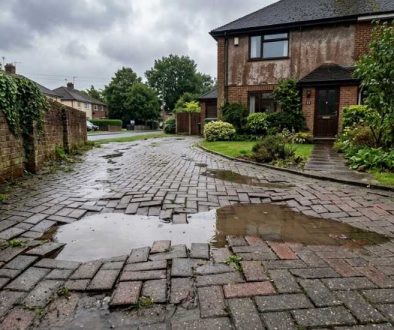
Wet weather adds another layer of stress. Persistent rain saturates sub-bases, weakens foundations, and increases the risk of surface movement. Slippery conditions also raise safety concerns, particularly in shaded areas where surfaces dry slowly. The best patio materials are those that manage moisture effectively and withstand repeated freeze–thaw cycles without breaking down.
Porcelain Paving and Its Winter Performance
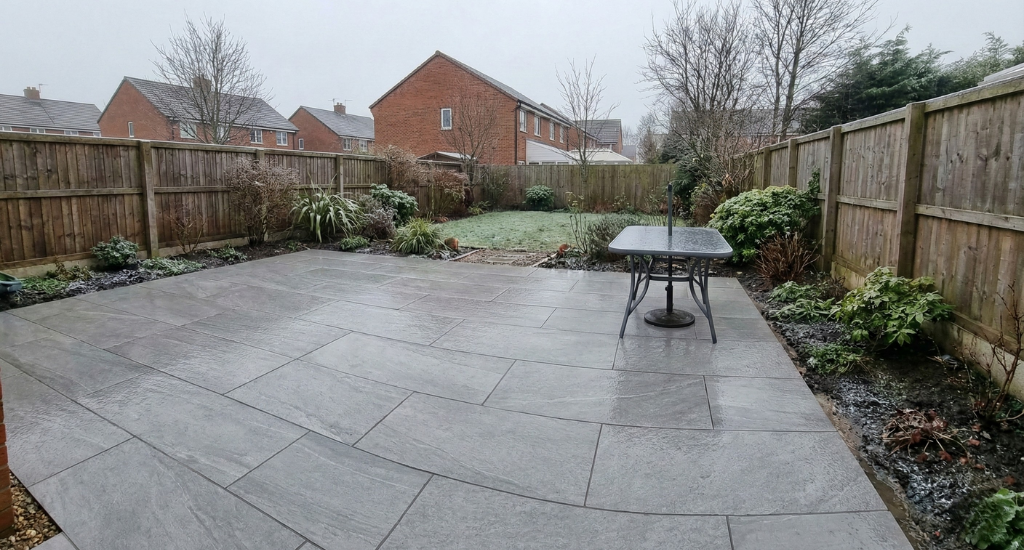
Porcelain paving has grown in popularity due to its clean appearance and strong technical performance. Manufactured at very high temperatures, porcelain slabs are dense and non-porous.
This low porosity means water cannot penetrate the surface easily. As a result, porcelain resists frost damage far better than many natural materials. Moisture remains on the surface rather than soaking in, reducing internal stress during freezing conditions.
Porcelain paving also offers excellent slip resistance when the correct finish is chosen. Outdoor-rated porcelain slabs are designed with textured surfaces that maintain grip even in wet conditions. This makes them a strong option for winter safety, particularly around seating areas and access points.
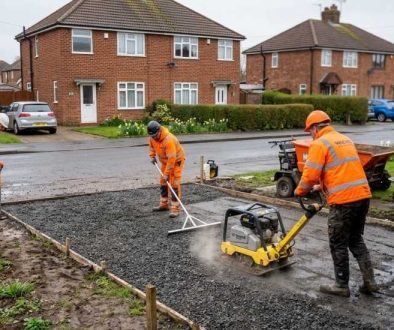
However, correct installation is essential. A stable base and precise laying prevent movement and ensure water drains away rather than pooling.
Natural Stone and How It Handles Frost
Natural stone patios offer character and variation, but their winter performance depends heavily on the type of stone used. Some stones absorb more moisture than others, increasing the risk of frost-related damage.
Sandstone and limestone are commonly used but vary in density. Higher-quality, well-sealed stone can perform well in winter, whilst lower-density stone may absorb water and suffer from surface flaking or cracking during freezing temperatures.
Key factors affecting natural stone performance include:
- Stone density and porosity
- Quality of sealing before winter
- Base preparation and drainage
- Exposure to persistent shade and moisture
When chosen carefully and maintained properly, natural stone can remain durable, but it generally requires more attention than manufactured alternatives.
Concrete Slabs and Winter Durability
Concrete paving slabs are widely used due to affordability and availability. Their winter performance varies depending on quality and installation.
Standard concrete slabs can absorb moisture, making them susceptible to surface scaling and cracking during freeze–thaw cycles. Over time, repeated freezing weakens the surface layer, leading to flaking and reduced traction.
Higher-quality concrete slabs with lower water absorption rates perform better, especially when laid with proper drainage. Sealing concrete surfaces before winter also helps limit moisture penetration.
Whilst concrete can be a practical choice, it requires careful selection and preparation to withstand prolonged wet and cold conditions.
Block Paving for Patios in Wet Weather
Block paving is often associated with driveways but is also used for patios. Its winter performance depends on joint stability and drainage design.
Water drains through the joints rather than pooling on the surface, which can be beneficial in wet weather. However, during winter, moisture trapped in joints can freeze, causing slight movement if jointing sand is lost.
Block paving patios may require more maintenance, including re-sanding joints and clearing debris to maintain drainage efficiency. When installed correctly, block paving offers good grip and repair flexibility, but it is not always the lowest-maintenance option for winter conditions.
Slip Resistance and Safety in Winter
One of the most important winter considerations is safety underfoot. Wet leaves, rain, frost, and algae growth all increase the risk of slipping.
Materials with textured or riven surfaces generally provide better grip in wet weather. Smooth or polished finishes, even on durable materials, can become hazardous during winter.
Slip resistance is influenced by:
- Surface texture and finish
- Drainage efficiency
- Exposure to shade and organic debris
- Maintenance routines
Choosing materials designed for outdoor use and keeping surfaces clean reduces winter safety risks significantly.
Drainage Design Matters More Than Material Alone
Even the best patio material will struggle in winter if drainage is inadequate. Poor gradients and compacted bases allow water to sit on the surface or collect beneath slabs.
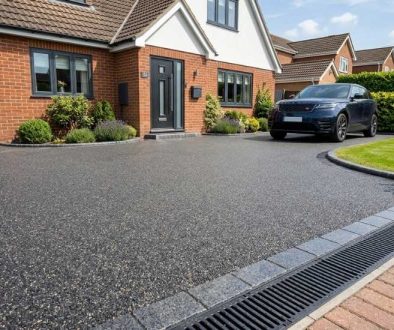
Standing water increases freeze–thaw stress and encourages algae growth. Proper drainage design ensures water flows away from the patio and disperses safely into surrounding ground or drainage systems.
Effective winter drainage includes:
- Correct fall away from buildings
- Free-draining base materials
- Clear drainage channels or soakaways
Good drainage protects both the patio surface and the surrounding property.
Maintenance Expectations During the Colder Months
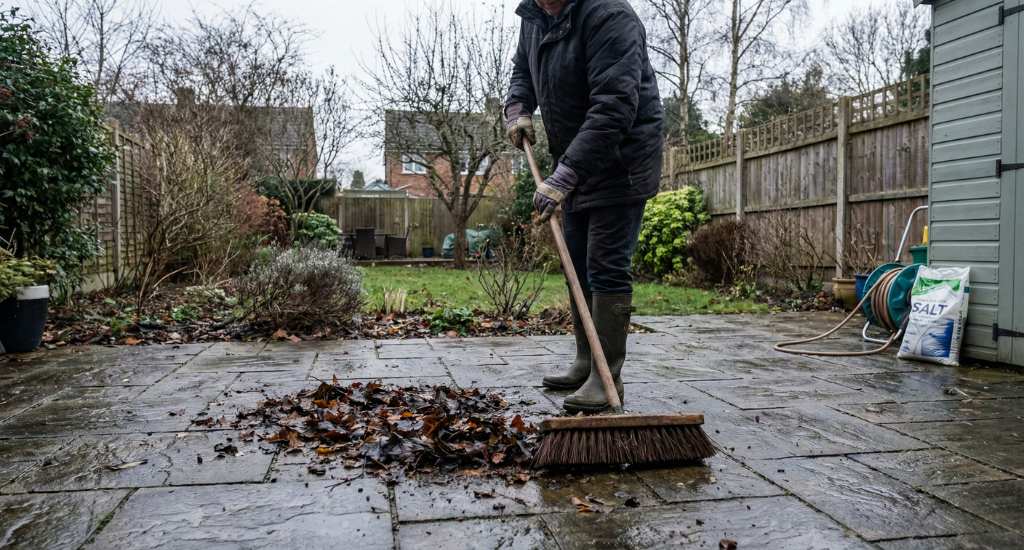
Winter maintenance plays a key role in how patio materials perform. Leaves, dirt, and organic matter trap moisture and reduce surface grip.
Regular sweeping prevents build-up and helps surfaces dry more quickly. Avoiding harsh chemicals and metal tools reduces the risk of surface damage. Where sealing is recommended, it should be completed before winter begins.
Low-maintenance materials such as porcelain require less intervention, whilst natural stone and block paving benefit from periodic attention to preserve performance.
Choosing the Right Patio Material for Your Home
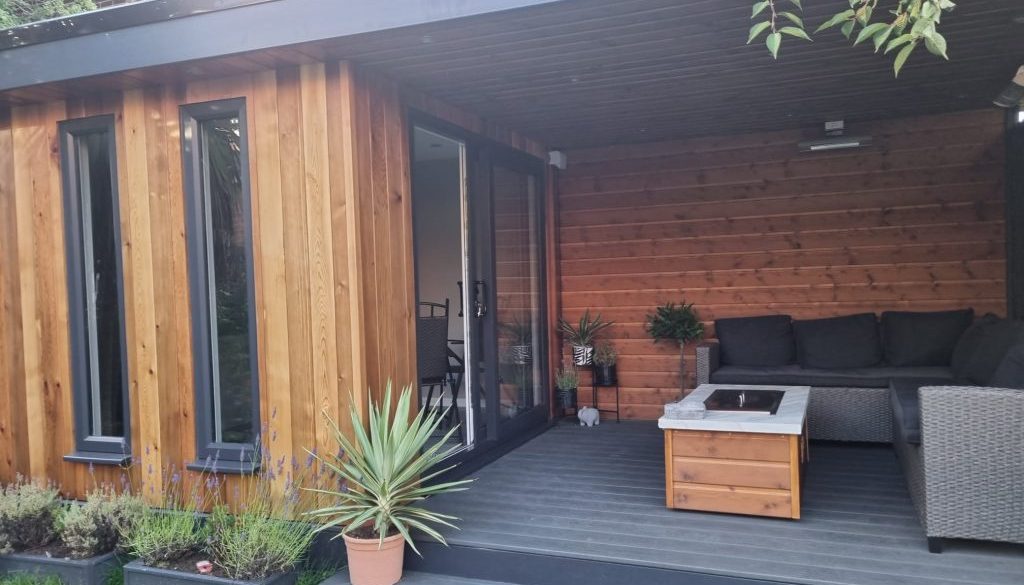
The best patio material for winter depends on a balance of durability, safety, drainage, and maintenance expectations. Homes exposed to heavy rainfall and shade may benefit from low-porosity, slip-resistant materials. Properties with good drainage and regular maintenance routines may suit a wider range of options.
Considering winter conditions at the planning stage reduces long-term issues and ensures the patio remains usable throughout the year.
Homeowners planning weather-resistant outdoor spaces often choose professionally installed Newcastle Patios, where the correct base depth, jointing, and drainage slope help surfaces perform reliably through frost, rain, and seasonal temperature changes.
Building a Patio That Performs All Year Round
Frost and wet weather reveal weaknesses in poorly chosen or poorly installed patios. Materials that resist water absorption, offer reliable grip, and sit on well-prepared bases perform best through winter.
Professional installation ensures correct drainage, stable foundations, and appropriate material selection. M&C Paving Northeast provides expert patio design and installation tailored to North East weather conditions.
If you are planning a new patio or upgrading an existing one, contact M&C Paving Northeast to create an outdoor space built to perform safely and reliably in every season.