Garden Makeover Newcastle: How to Plan a Better Outdoor Space
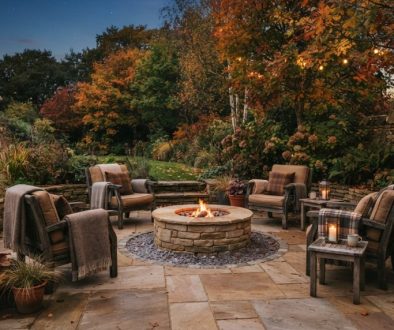
A garden makeover Newcastle homeowners can enjoy starts with a clear plan, not just new paving, turf, or planting. The best gardens work because the layout, surfaces, drainage, and finishing details all support how the space is actually used.
Many Newcastle gardens have awkward corners, uneven levels, worn lawns, old patios, or shaded sections that never feel useful. These issues can make the garden harder to enjoy, even when the property itself has good outdoor space. A proper makeover looks at the garden as one complete area and asks what needs to change before materials are chosen.
If your outdoor space feels difficult to use, working with a team that provides professional landscaping services in Newcastle can help you plan a more practical garden from the start.
Start With How You Use the Garden
Before choosing finishes, think about what the garden needs to do. A family garden may need a safe play area, a practical path, and a patio close to the house. A quieter garden may need a seating area, simple planting, and a cleaner view from the kitchen or living room.
Look at the way people already move through space. If everyone walks across the same patch of grass, that area may need a path. If the patio is rarely used, it may be too small, too shaded, or badly positioned. If the far end of the garden feels forgotten, it may need a clear purpose.
This step helps prevent wasted spending. A garden makeover should solve real problems, not just replace old materials with newer ones.
Make Awkward Areas More Useful
Many Newcastle gardens include areas that are technically available but rarely used. These might include narrow side paths, damp corners, uneven lawn sections, or spaces behind garages and sheds. Instead of ignoring them, a good garden plan should decide what each area is for.
A shaded corner could become a gravelled seating spot, a storage area, or a raised planter section. A worn route to the gate could become a paved path. A patchy lawn beside the house could be replaced with a small patio or artificial grass.
The aim is not to fill every part of the garden. The aim is to make the layout feel intentional, so each section has a practical reason to exist.
Plan the Patio Around Daily Comfort
A patio is often the main feature of a garden makeover because it creates a proper place to sit, eat, and relax. For many homes, the best position is close to the back door because it makes the area easier to use. However, if the sunniest part of the garden is further away, a second seating area may work better.
Size matters as much as location. A patio should have enough room for furniture, movement, and access. If chairs cannot be pulled out comfortably, the area may look finished but feel awkward.
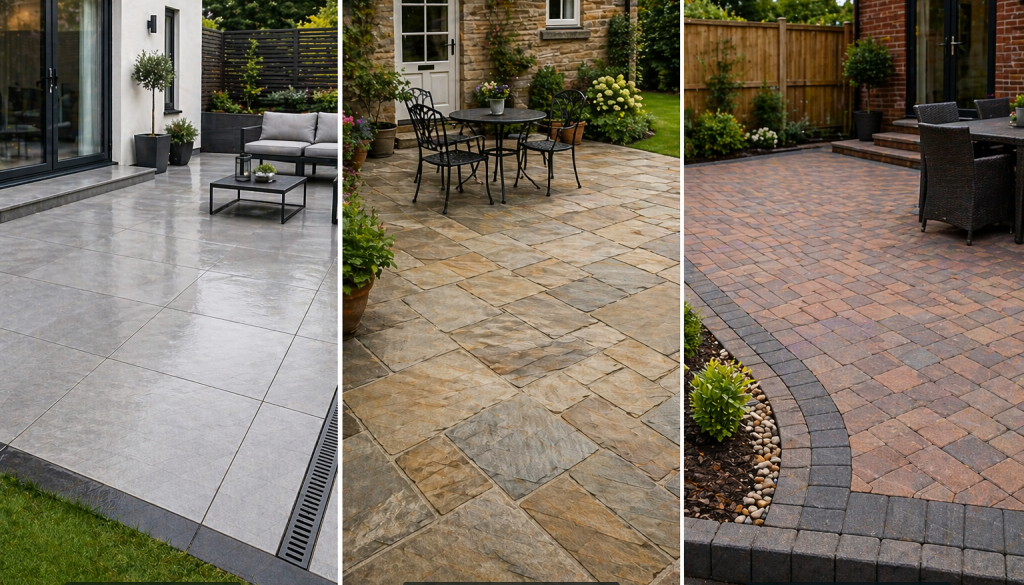
Material choice should match the style of the home and the level of maintenance you want. Porcelain paving can suit a cleaner modern look, while natural stone gives a softer, more traditional finish. Block paving can also work well where the patio connects with paths or driveway areas.
Use Paths to Connect the Space
Paths are easy to overlook, but they make a big difference to how the garden works. Without a clear route, people walk across lawns, cut through borders, or avoid certain parts of the garden completely.
A path should connect the main areas, such as the back door, patio, shed, side gate, lawn, or seating area. It should also be wide enough for normal use, especially if wheelie bins, bikes, tools, or children’s toys need to pass through.
The path material should suit the rest of the garden. Paving slabs, block paving, or gravel can all work, depending on the level of use. Good edging is important because it keeps the route neat and stops materials from spreading into lawns or borders.
Think About Levels and Drainage Early
Levels and drainage should be planned before the visible finishes. If they are ignored, the garden may look good at first but develop problems later.
Uneven levels can create awkward steps, trip points, or areas where water runs in the wrong direction. Poor drainage can leave patios slippery, lawns muddy, and paved areas unstable. In Newcastle and across the North East, this matters because gardens often deal with wet weather, shade, and older ground conditions.
A proper makeover should consider where water goes, how surfaces fall, and whether drainage channels, permeable materials, or improved ground preparation are needed. Fixing these issues after the garden is finished is usually more disruptive and more expensive.
Choose Surfaces That Suit Your Lifestyle
Every garden surface needs some care, but the right choices can reduce regular maintenance. This is especially important if you want a garden that looks neat without constant mowing, weeding, or cleaning.
Artificial grass can help where natural grass becomes muddy, patchy, or difficult to maintain. It can be useful for family gardens, shaded areas, or spaces used by pets. However, it still needs proper installation, drainage, and occasional cleaning.
Paving is practical for patios, paths, and seating areas. It creates a firm surface and can reduce the amount of lawn that needs care. Decorative gravel can work in side areas or borders, but it needs good edging to keep it contained.
Planting should also be kept manageable. Larger structured borders are often easier to maintain than lots of small beds scattered around the garden.
Use Planting to Soften the Design
A practical garden does not need to feel plain. Planting helps soften hard surfaces and makes the space feel more complete.
The key is to choose planting that supports the layout. Raised borders can frame a patio, hide fence lines, or create a more finished look around seating areas. Hardy shrubs, grasses, and perennials can add shape without needing constant attention.
Avoid overcomplicating the planting scheme if easy maintenance is the goal. Repeating a smaller number of plants often looks cleaner than using too many different varieties. Mulch, bark, or decorative stone can also help reduce weeds and keep borders looking tidy.
Match the Garden to the Home
A garden makeover should feel connected to the property. Older Newcastle homes may suit natural stone, block paving, softer planting, and traditional edging. More modern homes may work better with porcelain paving, artificial grass, clean lines, and simple raised beds.
Think about the view from inside the house too. The garden is often seen from the kitchen or living room every day, so the layout should look balanced from indoors as well as outside.
Small details can also make the space feel more polished. Neat edging, simple lighting, defined borders, and clear transitions between surfaces can all help the garden feel properly finished.
Create a Newcastle Garden That Works Every Day
A successful garden makeover should make your outdoor space easier to use, easier to maintain, and better suited to your home. It should not be based on trends alone. The layout, drainage, levels, surfaces, planting, and access all need to work together.
For Newcastle homeowners, this is especially important because gardens often have to handle wet weather, shade, worn grass, and older surfaces. A well-planned makeover can turn an awkward garden into a space that feels more organised, comfortable, and usable.
If your garden no longer works for your home, M&C Paving Northeast can help you plan a practical outdoor space built around your property and long-term needs.
Visit the Landscaping Newcastle page to learn more or request a free, no-obligation quote.
For all your paving and landscaping services…
Call us today – 0191 743 2048