Are Resin Driveways Safe in Winter? What Homeowners Should Know
Resin driveways have become a popular choice for homeowners looking for a clean, modern finish with low maintenance demands. During winter, however, questions often arise about safety, grip, and long-term durability. Cold temperatures, frost, and prolonged wet weather can expose weaknesses in poorly installed surfaces. Understanding how resin performs in winter conditions helps homeowners make informed decisions and avoid unnecessary concern.
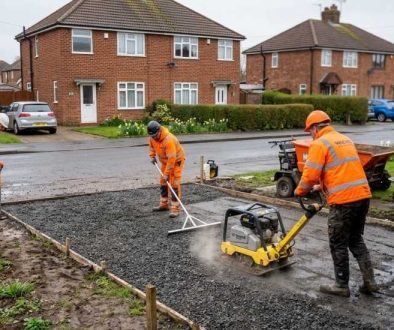
How Resin Driveways Are Built and Why That Matters in Winter
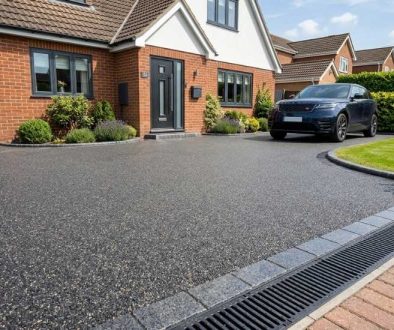
Resin-bound driveways are created by mixing natural aggregates with a clear resin binder and laying the mixture onto a prepared base. Once cured, the surface forms a smooth, seamless finish.
The way the driveway is constructed plays a major role in winter performance. A properly installed resin surface relies on:
- A stable, well-compacted sub-base
- Correct resin-to-aggregate ratios
- Adequate curing time before use
- Effective drainage beneath the surface
When these elements are in place, resin driveways handle cold and wet conditions far better than many homeowners expect.
Slip Resistance and Winter Foot Traffic
One of the most common concerns about resin driveways in winter is whether they become slippery. While resin surfaces appear smooth, they are designed with textured aggregates that provide natural grip.
Slip resistance depends on aggregate size, finish, and installation quality. A professionally installed resin driveway maintains traction even when wet, making it suitable for winter foot traffic. Unlike polished concrete or worn tarmac, resin surfaces retain their texture rather than becoming slick over time.
That said, no outdoor surface is completely slip-proof when ice forms. Frost and snow will reduce grip on any driveway material, but resin does not become inherently more dangerous than alternatives when installed correctly.
Drainage Performance During Heavy Rain and Frost
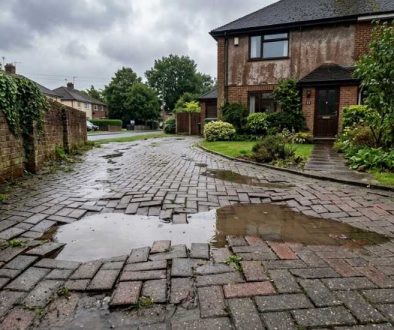
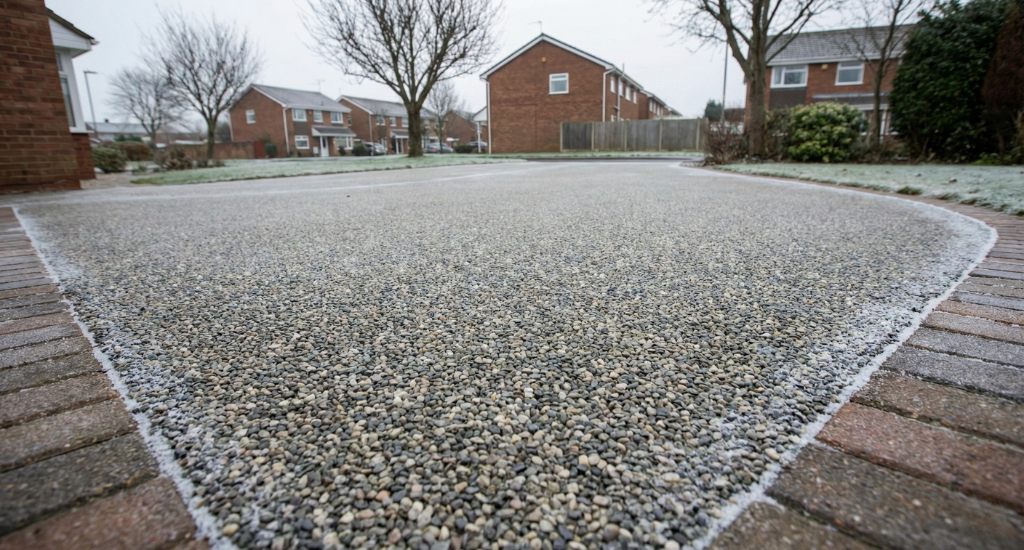
Resin-bound driveways are permeable, which is one of their strongest advantages in winter. Water drains through the surface rather than pooling on top.
This permeability reduces:
- Standing water that can freeze overnight
- Surface ice build-up
- Pressure from trapped moisture beneath the driveway
By allowing water to pass through, resin driveways minimise freeze–thaw stress that damages non-permeable surfaces. In areas with frequent rainfall and fluctuating temperatures, this drainage performance plays a critical role in winter durability.
Resistance to Freeze–Thaw Damage
Freeze–thaw cycles occur when moisture enters a surface, freezes, and expands, then thaws again. This repeated expansion is responsible for much of the winter damage seen in driveways.
Resin surfaces are flexible compared to rigid materials such as concrete. This flexibility allows the surface to accommodate minor ground movement without cracking. When combined with permeability, this reduces the likelihood of freeze–thaw damage affecting the surface layer.
Problems typically arise only when:
- The base beneath the resin is unstable
- Drainage is blocked or poorly designed
- The resin mix is incorrectly applied
In these cases, winter conditions expose installation faults rather than material weaknesses.
Performance Under Vehicle Weight in Cold Weather
Another concern homeowners raise is whether resin driveways soften or weaken in winter. In reality, cured resin surfaces maintain their strength in cold temperatures.
Once fully set, resin does not become brittle in winter conditions common to the North East. It remains capable of supporting regular vehicle use without cracking or deformation. The key factor is the base construction beneath the surface, not the resin itself.
Driveways that show movement, cracking, or sinking during winter usually suffer from base failure rather than resin performance issues.
How Resin Compares to Other Driveway Materials in Winter
When comparing winter performance, resin offers several advantages over traditional materials.
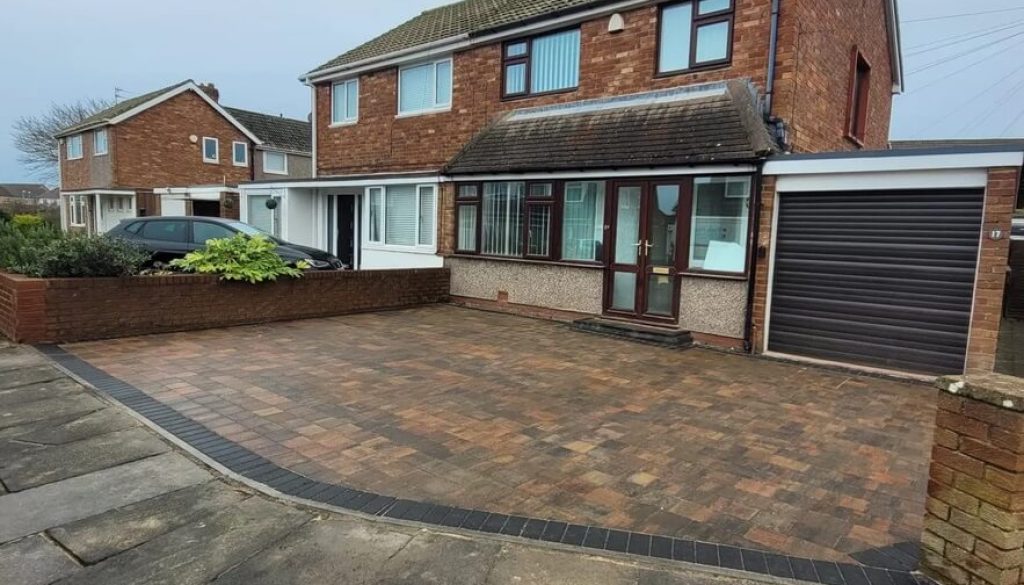
Unlike block paving, resin has no joints where water can collect and freeze. This reduces surface movement and weed growth after winter. Compared to tarmac, resin is less prone to cracking caused by water penetration and repeated freezing. Against concrete, resin’s flexibility offers better tolerance to ground movement during cold weather.
Each material has its place, but resin performs particularly well where drainage and freeze–thaw resistance are priorities.
Maintenance Expectations During Winter Months
Resin driveways require minimal winter maintenance, but simple care helps preserve performance and safety.
Recommended winter practices include:
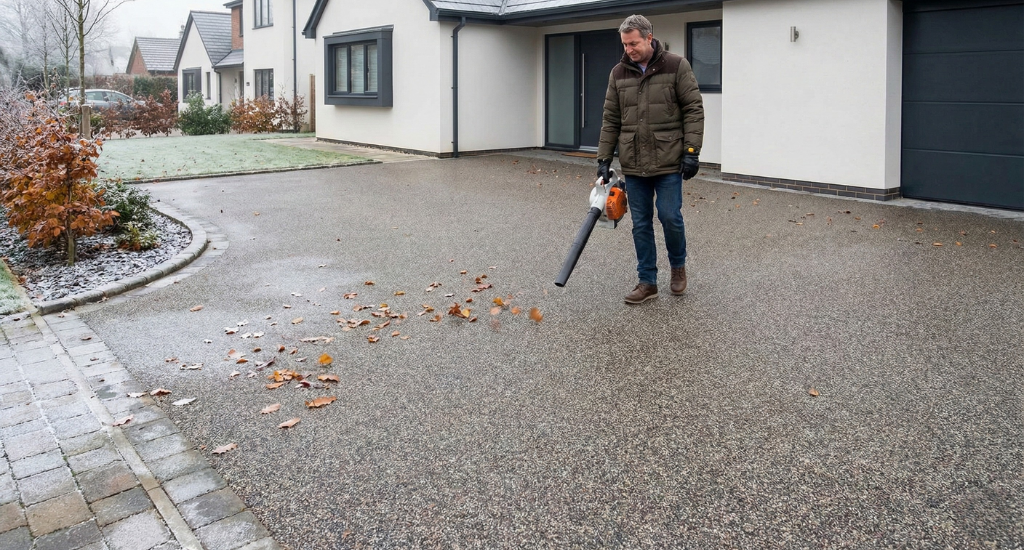
- Clearing leaves and debris to maintain permeability
- Avoiding metal shovels that may scratch the surface
- Using salt sparingly if ice forms
- Rinsing the surface during milder spells to remove grime
Unlike block paving, there is no need for re-sanding. Unlike tarmac, resurfacing is not required to maintain winter resilience.
Ice Formation and What Homeowners Should Expect
Although resin reduces standing water, ice can still form during prolonged freezing conditions, particularly after snowfall. This is normal for all outdoor surfaces.
The difference lies in how quickly the surface dries once temperatures rise. Resin driveways tend to clear moisture faster than non-permeable surfaces, reducing the duration of icy conditions.
Repeated ice formation in the same areas may indicate blocked drainage beneath the surface rather than a fault with the resin itself.
Common Myths About Resin Driveways in Winter
Misconceptions often stem from poor installations or confusion with resin-bonded systems, which behave differently.
Common myths include:
- Resin becomes slippery in cold weather
- Resin cracks easily during frost
- Resin cannot handle winter vehicle use
In reality, professionally installed resin-bound driveways are designed specifically to cope with seasonal weather changes.
When Resin Driveways May Not Be the Right Choice
Whilst resin performs well in winter, it is not suitable for every situation. Poor ground conditions, inadequate base preparation, or heavy commercial traffic may require alternative solutions.
Professional assessment ensures resin is appropriate for the property and that the groundwork supports long-term performance. Skipping this step increases the risk of winter-related issues regardless of material choice.
A Safe and Reliable Winter Surface When Installed Correctly
Resin driveways are safe and reliable during winter when installed to professional standards. Their permeability, flexibility, and low-maintenance nature make them well suited to cold, wet conditions common in the North East. Most winter concerns arise from installation faults rather than the material itself.
For homeowners considering resin or questioning an existing surface, expert advice makes all the difference. M&C Paving Northeast provides professional resin driveway installations and assessments designed to perform year-round. If you want a driveway that handles winter conditions with confidence, contact M&C Paving Northeast for expert guidance and installation.