How Proper Drainage Protects Your Home During Heavy Winter Rain
Heavy winter rain places pressure on every part of your property, but driveways and patios are often the first areas to show signs of stress. When water cannot drain away efficiently, it begins to pool, soak into base layers, and travel towards buildings. Over time, this excess moisture leads to surface damage, subsidence, and even issues affecting the home itself. Proper drainage is not just a surface-level concern; it is a key factor in protecting your property during prolonged wet weather.
Why Winter Rain Creates Bigger Problems Than Summer Showers
Winter rainfall behaves differently from summer rain. Lower temperatures slow evaporation, meaning water remains on surfaces and in the ground for much longer. Saturated soil struggles to absorb additional rainfall, causing water to spread sideways rather than drain downwards.
This prolonged exposure increases pressure on driveway surfaces and the sub-base beneath them. Repeated saturation weakens structural support and encourages movement during freeze–thaw cycles. Without effective drainage, each bout of rain compounds the damage already present.
What Happens When Driveway Drainage Is Poor
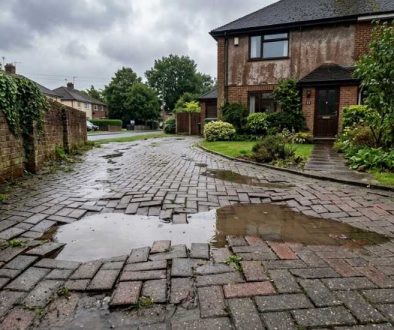
Poor drainage allows water to sit where it causes the most harm. Standing water penetrates cracks, joints, and porous materials, travelling into the base layers and surrounding ground.
As water accumulates:
- Sub-bases soften and lose load-bearing strength
- Surfaces begin to dip or slope unevenly
- Cracks widen as moisture freezes and expands
- Edges spread where support is lost
Over time, these issues compromise both safety and appearance, often leading to costly repairs that could have been avoided.
How Drainage Affects the Structure of Your Home
Drainage problems do not stop at the driveway. Water that cannot disperse properly often moves towards the path of least resistance, which may be the foundations of your home.
Excess moisture near walls increases the risk of:
- Damp penetration
- Water pooling near door thresholds
- Damage to boundary walls and steps
- Erosion around foundations
In winter, this moisture is particularly problematic as freeze–thaw cycles place additional strain on masonry and concrete structures.
Common Signs Drainage Is Failing During Winter
Drainage issues often become obvious during periods of heavy rain. Homeowners may notice problems that were barely visible in drier months.
Common warning signs include:
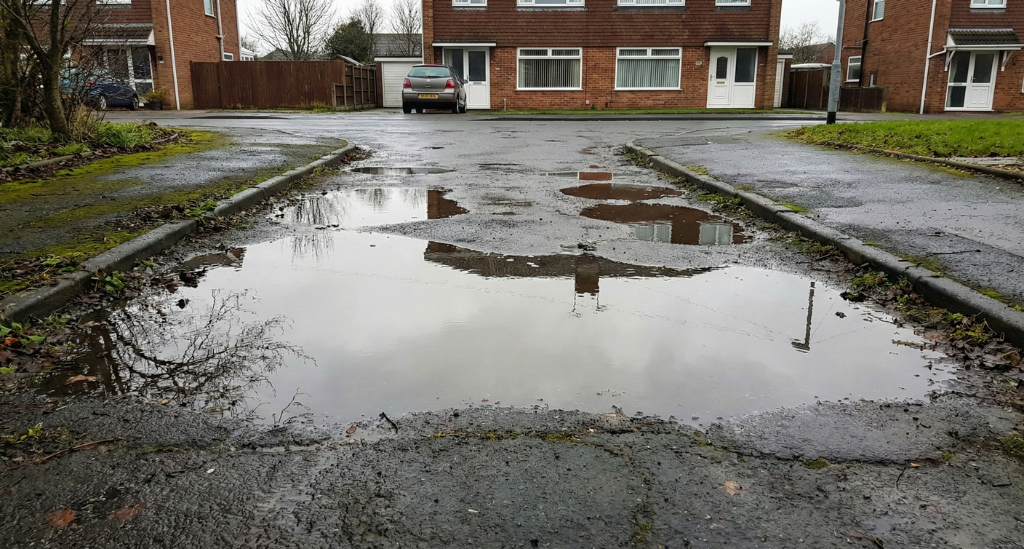
- Puddles that remain long after rainfall
- Repeated ice formation in the same areas
- Algae or moss growth along edges
- Water flowing towards the house rather than away
- Soft or spongy ground beside hard surfaces
These indicators suggest water is not being managed effectively and intervention is needed.
The Role of Gradient and Surface Design
Effective drainage begins with correct surface gradients. Driveways and patios should be designed to direct water away from buildings and towards suitable drainage points.
Even slight errors in slope can allow water to collect in low spots. Over time, these areas become saturated and vulnerable to freeze–thaw damage. Professional design ensures gradients are subtle but effective, guiding water safely away without affecting usability or appearance.
Surface materials also influence drainage performance. Permeable surfaces allow water to pass through, whilst non-permeable surfaces rely heavily on correct gradients and drainage channels.
Aside from driveways, homeowners planning broader garden improvements alongside drainage upgrades often include professionally built Newcastle Patios, where proper base preparation and correct slope help prevent water from collecting on the surface.
Sub-Base Drainage and Why It Matters
What lies beneath the surface is just as important as what is visible. A well-constructed sub-base allows water to disperse rather than become trapped.
Poorly compacted or inappropriate base materials hold moisture, creating a saturated layer that weakens under pressure. During winter, this trapped water freezes and thaws repeatedly, accelerating subsidence.
Effective sub-base drainage includes:
- Free-draining aggregates
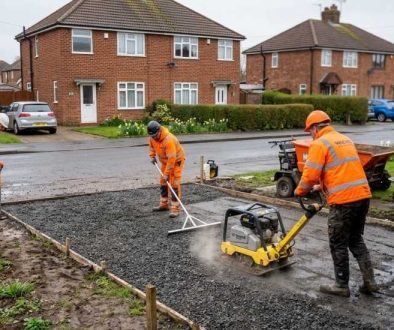
- Proper compaction
- Separation layers to prevent soil contamination
- Integration with surface drainage solutions
These elements work together to maintain stability in wet conditions.
Drainage Channels, Gullies, and Soakaways
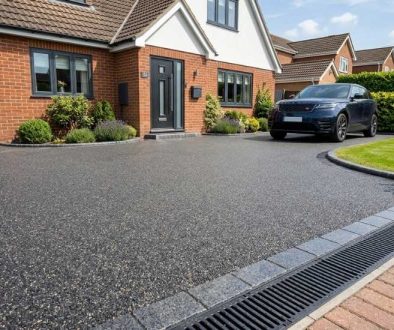
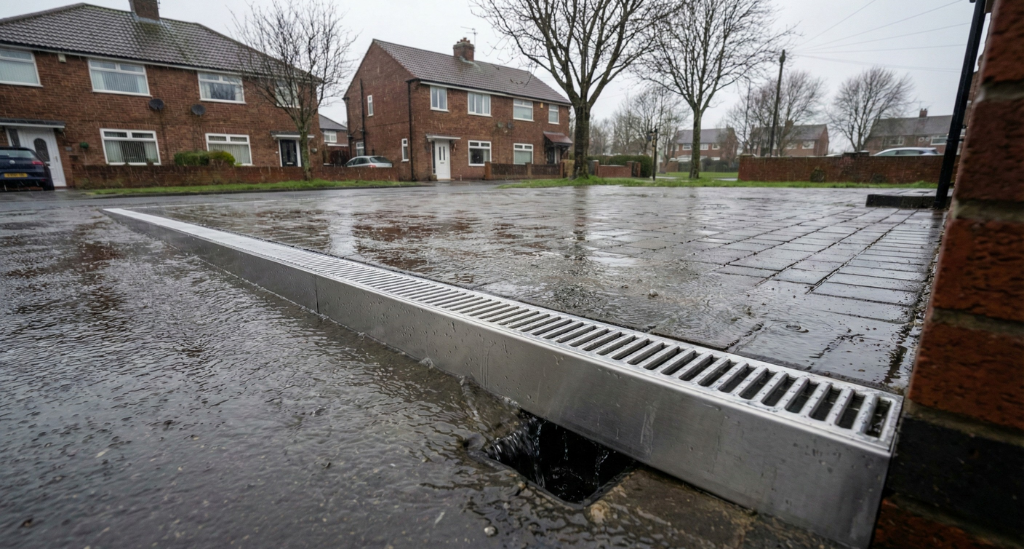
In areas prone to heavy rainfall, additional drainage features are often necessary. Channels and gullies collect surface water and redirect it safely away from hardstanding areas.
Soakaways disperse water into the ground gradually, reducing surface pooling and pressure on drainage systems. When installed correctly, these features significantly reduce winter water build-up.
Blocked or damaged drainage components quickly undermine performance, which is why regular inspection and maintenance are essential.
How Proper Drainage Reduces Winter Maintenance
When drainage works effectively, surfaces dry more quickly after rain. This reduces the time moisture sits on the driveway, lowering the risk of ice formation and algae growth.
Improved drainage also limits the need for frequent repairs caused by water-related damage. Surfaces remain more stable, joints last longer, and base layers retain their strength through the winter months.
Preventative drainage design saves time, cost, and disruption over the long term.
Retrofitting Drainage to Existing Driveways
Drainage improvements are not limited to new installations. Many existing driveways can be upgraded to manage winter rainfall more effectively.
Common retrofit solutions include:
- Installing linear drainage channels
- Adjusting surface gradients
- Improving edge restraints
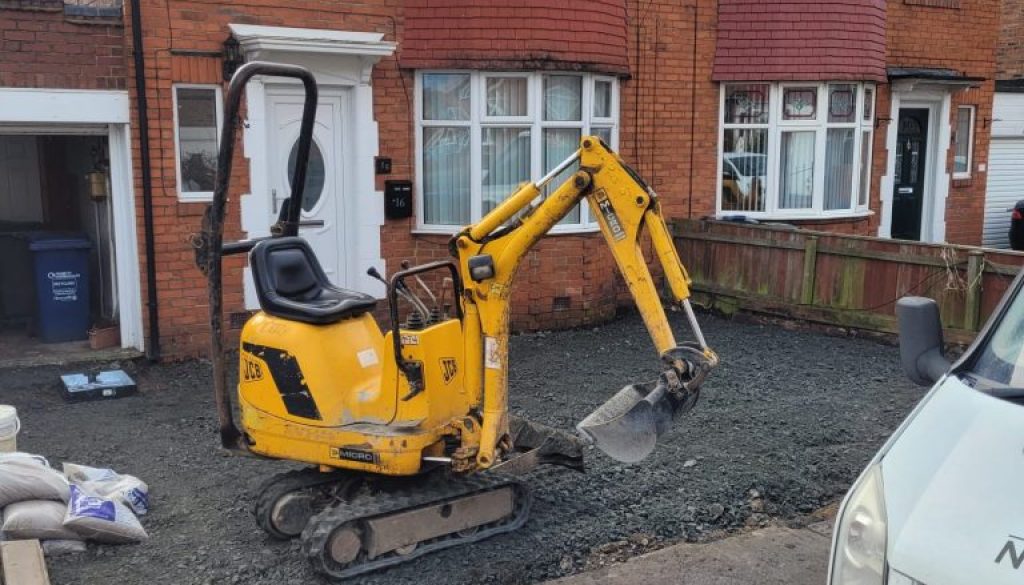
- Rebuilding sections with improved sub-base materials
Professional assessment identifies where water is collecting and how best to redirect it without unnecessary disruption.
Protecting Your Property Starts with Managing Water
Heavy winter rain exposes weaknesses in driveway and patio drainage faster than any other season. When water is allowed to pool or travel towards the home, damage spreads beyond the surface and into structural elements.
Proper drainage protects driveways, patios, and foundations by controlling how water moves across and beneath your property. M&C Paving Northeast provides expert drainage solutions designed to perform under harsh winter conditions.
If you are experiencing standing water, surface movement, or repeated winter damage, contact M&C Paving Northeast to safeguard your home before problems escalate.